

Every fall, I see the same pattern in clients who otherwise feel confident in their skin. As soon as the air turns crisp and the heater clicks on, their faces, hands, and legs start to feel tight, itchy, and flaky. Makeup that looked smooth in summer suddenly catches on dry patches, and some people even develop painful cracks that sting with every hand wash. If that sounds familiar, you are far from alone.
As a red light therapy wellness specialist and health advocate, I focus on two things: protecting the skin’s natural barrier and using evidence-based tools, including light, to calm inflammation and support repair. In this article, I will walk you through what reputable dermatology sources say about fall skin dryness and peeling, share practical strategies you can start today, and explain where red light therapy fits safely and realistically into your routine.
Why Your Skin Gets So Dry in the Fall
What Dermatologists Mean by “Dry Skin”
Dermatology groups such as Cleveland Clinic and Harvard Health describe dry skin as a condition where the outermost skin layer, the epidermis, does not retain enough moisture and oils. Clinically, this shows up as roughness, tightness, flaking, and sometimes redness or burning. In more advanced cases, the skin can crack and even bleed, which opens the door to infection.
Clinics like Complete Family Dermatology and SummitMD Dermatology emphasize the role of the skin barrier, a thin but powerful combination of skin cells and lipids (natural oils) that locks in water and keeps irritants out. When this barrier is disturbed, moisture escapes more easily and irritants penetrate more readily, which is why dry skin often feels both tight and sensitive at the same time.
Seasonal Triggers Unique to Autumn
In fall, several environmental shifts gang up on your skin at once. Forefront Dermatology and other practices note that colder air simply cannot hold as much moisture as warm summer air. That means outdoor humidity falls, and with it, the natural moisture surrounding your skin. Windy days make matters worse by literally stripping away the thin film of oils that normally protect the surface.
Then you head indoors, where forced-air heat creates warm yet very dry air. Clinics from AFC Urgent Care to Northwestern Medicine and UCHealth all describe how this low-humidity indoor environment accelerates water loss from your skin. The constant transition from chilly outdoor air to dry heated indoor air stresses your barrier repeatedly throughout the day.
Habits that feel comforting in cooler weather can also fuel dryness. Long, hot showers are a classic example. Dermatology sources, including Harvard Health, SummitMD Dermatology, and Overlake Medical Center, point out that hot water and harsh soaps remove your natural oils, leaving skin squeaky but stripped and vulnerable. Add in more frequent handwashing during cold and flu season, and the result is often cracked knuckles and rough hands.
Clothing is another underappreciated trigger. Forefront Dermatology and Northwestern Medicine highlight that wool and other rough fabrics can mechanically irritate dry or sensitive skin. That friction can turn mild dryness into patches of redness, itching, and peeling, especially on the neck, arms, and legs.
Who Is Most Vulnerable
While anyone can experience fall dryness, several groups are especially affected. SummitMD Dermatology and Harvard Health note that as we age, natural oil production decreases, and at least three quarters of older adults have some degree of dry skin. People with eczema, psoriasis, or other inflammatory skin conditions tend to flare more when the air is cold and dry, as described by Berlin Dermatology, Premier Dermatology Partners, and other clinics.
Certain medical conditions such as diabetes, kidney or thyroid disease, and nutritional deficiencies can show up as chronic dry skin, according to Cleveland Clinic and SummitMD Dermatology. If dryness is severe, sudden, or unexplained, it should be viewed as a potential health signal, not just a cosmetic issue.

Protecting and Repairing Your Skin Barrier
In the fall, the goal is not just to “add moisture” but to actively support your skin barrier so it can hold onto that moisture. This is where product choice and daily habits make a real difference.
Choosing the Right Moisturizer for Fall
Most dermatology organizations agree on one point: ointments and creams generally outperform lotions for dry or very dry skin. NewYork-Presbyterian and Northwestern Medicine both emphasize petroleum- or cream-based products as more effective than thin lotions at sealing in water. SummitMD Dermatology likewise notes that dermatologists tend to favor thicker creams over lighter lotions during cold, dry seasons.
Ingredients matter just as much as texture. From Cleveland Clinic, Harvard Health, and Complete Family Dermatology, we see a consistent set of barrier-supportive ingredients:
Ceramides, which help rebuild the skin’s natural lipid barrier.
Humectants such as hyaluronic acid and glycerin, which attract and hold water in the outer skin layers.
Occlusive agents such as petrolatum (petroleum jelly), mineral oil, lanolin, and certain silicones, which seal moisture into the skin.
Emollients such as shea butter and certain fatty acids, which smooth the skin by filling tiny gaps between cells.
Fragrance-free formulations are strongly preferred in nearly every medical source, including Cleveland Clinic and SummitMD Dermatology, because added scents often irritate already dry skin.
To make this more concrete, here is a simple comparison based on guidance from Cleveland Clinic, Harvard Health, and NewYork-Presbyterian:
Moisturizer Type |
Texture and Feel |
Key Ingredients Often Used |
Best For |
Main Pros |
Main Cons |
Ointment (petroleum jelly–type) |
Very thick and greasy |
Petrolatum, mineral oil, lanolin |
Severely dry, cracked areas (heels, knuckles) |
Excellent water seal, very effective and inexpensive |
Can feel heavy and shiny, less comfortable for daytime use |
Cream |
Thick but spreadable |
Ceramides, glycerin, hyaluronic acid, plant butters |
General fall and winter body and face care |
Strong barrier support, good balance between comfort and protection |
May still feel too rich for very oily or acne-prone skin in some areas |
Lotion |
Light and fluid |
Water plus small amounts of oils and humectants |
Mild dryness or normal skin, humid climates |
Absorbs quickly, cosmetically elegant |
Less protective in dry, heated indoor air; often not enough for fall flaking |
Body butter or oil-rich cream |
Dense, rich texture |
Shea butter, plant oils, ceramides |
Rough patches on legs, arms, and hands |
Feels comforting, good for overnight repair |
Can clog pores if used on acne-prone areas or faces sensitive to heavy oils |
Across sources such as AFC Urgent Care and Complete Family Dermatology, a practical fall strategy is to switch from light gel or lotion formulas to richer creams, at least on the body and on dry-prone facial areas like cheeks. For very dry spots, a thin layer of ointment at night can prevent painful cracking.
Timing is crucial. Cleveland Clinic, Harvard Health, and multiple dermatology clinics recommend applying moisturizer when the skin is still slightly damp from bathing or handwashing. This “soak and seal” approach helps trap the water your skin just absorbed, rather than letting it evaporate into the dry air.
Smarter Cleansing and Bathing Habits
Many people dramatically improve their fall dryness just by changing how they wash. Harvard Health, Northwestern Medicine, Overlake Medical Center, and others converge on several key principles.
They recommend shorter baths or showers, around five to ten minutes, once a day or less, using warm rather than hot water. The satisfying blast of very hot water may feel soothing in the moment, but it melts away your protective oils and aggravates redness and peeling.
Soaps and cleansers should be gentle, fragrance-free, and ideally labeled for dry or sensitive skin. Harvard Health and Harvard-associated sources mention moisturizing bar cleansers from brands like Dove or Olay and soap-free options such as non-foaming lotion cleansers. Across the dermatology sources, foamy, “squeaky clean” products and deodorant or heavily perfumed soaps are repeatedly discouraged because they strip lipids.
Application technique matters more than most people realize. Northwestern Medicine and Harvard Health suggest using your hands instead of rough washcloths or scrub brushes, and then patting, not rubbing, the skin dry with a soft towel. This may seem like a small detail, but on a compromised barrier, mechanical friction is the difference between a comfortable shower and a stinging one.
For hands, frequent washing is non-negotiable, but you can soften the impact by using lukewarm water, gentle wash, and applying a cream or ointment every time you dry your hands, as recommended by Northwestern Medicine and NewYork-Presbyterian. Keeping a small tube of hand cream at each sink or on your desk makes this habit much easier to sustain.
How Often to Exfoliate When Skin Is Peeling
When you see flakes and peeling, it is tempting to scrub them off. Dermatology clinics caution against aggressive exfoliation in fall and winter. SummitMD Dermatology and Complete Family Dermatology advise limiting exfoliation to roughly once or twice per week and choosing mild options.
Gentle chemical exfoliants such as lactic acid, low-strength glycolic acid, or polyhydroxy acids are often preferred over gritty scrubs, which can create micro-tears and increase inflammation. Brands like ISDIN and others emphasize that in dry seasons, exfoliation should serve to help moisturizers penetrate better, not to chase a “polished” feeling at the expense of your barrier.
In my own experience with clients, the most successful fall routines use exfoliation as a targeted tool. That might mean a gentle lactic acid lotion one or two nights a week, followed by a barrier cream, rather than daily scrubbing. When in doubt, it is safer to exfoliate less and moisturize more, especially if your skin is already stinging, red, or cracked.

Optimizing Your Home and Daily Environment
Even the best moisturizer will struggle if the air around you constantly pulls water out of your skin. That is why environmental tweaks are essential in fall.
Humidity, Heating, and Indoor Air
Several medical and dermatology organizations, including AFC Urgent Care, Complete Family Dermatology, UCHealth, and NewYork-Presbyterian, recommend using a humidifier once heating season begins. Typical guidance is to aim for indoor humidity somewhere around the mid-range rather than extremes. Many sources reference values around thirty to sixty percent as a helpful window to prevent excessive transepidermal water loss without encouraging mold growth.
In practice, this might look like running a cool-mist humidifier in your bedroom at night and in your home office or living room during the day. UCHealth suggests combining this with keeping your thermostat at a moderate setting instead of pushing it very high, since very hot, dry air is especially harsh on the skin.
If you use a humidifier, it is important to clean it and change the water as recommended by the manufacturer, as NewYork-Presbyterian notes, to avoid bacterial or fungal buildup.
Clothing, Fabrics, and Friction
What you wear directly on your skin can either support or sabotage your efforts. Forefront Dermatology, Northwestern Medicine, and multiple hospital-based sources warn about wool and other scratchy fabrics, which irritate dry or eczema-prone skin through friction.
The practical compromise many dermatologists suggest is to wear a soft cotton or silk layer next to your skin and then add wool or heavier fabrics over it. This approach lets you enjoy your favorite fall sweaters without the direct rubbing that leads to redness and peeling. Fragrance-free laundry detergents are also advised, and several sources recommend avoiding traditional fabric softeners, which can leave residue that bothers sensitive skin.
Gloves are another small but powerful tool. Northwestern Medicine and Berlin Dermatology both emphasize wearing warm gloves outdoors and protective gloves when cleaning or washing dishes. This helps prevent cold, wind, and cleaning chemicals from attacking already fragile hand skin.
Sun, Wind, and UV Protection Still Matter
Many people retire their sunscreen as soon as summer ends, but dermatology sources consistently say that is a mistake. Complete Family Dermatology, Premier Dermatology Partners, and UCHealth all stress that UVA rays penetrate clouds and window glass year-round and contribute to skin aging and barrier breakdown.
Using a broad-spectrum sunscreen with at least SPF 30 on exposed areas remains important in fall, even if you are mostly indoors but near windows. In cooler months, many people prefer more moisturizing sunscreen textures that double as a day cream, which aligns well with the need for extra hydration.
Protective clothing still plays a role. Forefront Dermatology and NewYork-Presbyterian advise covering exposed skin on cold, windy days with hats, scarves, and face coverings where appropriate. For lips, petroleum-based balms can act as a shield against windburn and cracking.
Nutrition, Hydration, and Whole-Body Support
Your skin is part of your broader health, so what you drink and eat during fall genuinely influences how dry or resilient it feels.
Hydrating From the Inside Out
Cleveland Clinic, UCHealth, and several dermatology practices remind patients that drinking enough water supports skin hydration from within. Many general health sources suggest that most adults feel and function better with roughly eight glasses of water spread across the day, though individual needs vary.
In fall and winter, it is easy to replace water with caffeinated coffee, strong tea, or sweet seasonal drinks. Cleveland Clinic notes that caffeine, alcohol, and very salty or sugary foods can promote dehydration, which may worsen dry skin. You do not have to avoid these completely, but pairing them with consistent water intake helps counterbalance their drying effect.
Water-rich fruits and vegetables also contribute to hydration. Berlin Dermatology highlights options such as cucumbers, tomatoes, leafy greens, bell peppers, citrus fruits, berries, and even seasonal favorites like pumpkin and apples as helpful supports for skin and overall health.
Skin-Loving Nutrients
Several sources, including Berlin Dermatology, UCHealth, and a number of dermatology clinics, point out that omega-3 fatty acids support a healthy skin barrier. Fatty fish such as salmon, flaxseeds, walnuts, and other healthy fats like avocado not only nourish the body but also help maintain skin’s suppleness and resilience.
Antioxidant-rich foods like sweet potatoes, spinach, and colorful fruits help protect the skin from oxidative stress, including sun-related damage that continues year-round. UCHealth also mentions the role of vitamin E, vitamin C, and zinc in supporting skin health, especially when combined with a generally balanced diet rather than isolated megadoses.
From a practical standpoint, a fall skin-friendly plate might include grilled salmon, roasted sweet potatoes, and a big salad with leafy greens, seeds, and olive oil, alongside plenty of water or herbal tea. This does not replace topical care, but it provides the building blocks your skin needs to repair itself.
Where Red Light Therapy Fits In
As someone who works extensively with red light therapy, I am often asked whether it can help with fall dryness and peeling. The honest answer, grounded in available clinical usage, is that light is most useful as a supportive tool for inflammation and certain skin conditions, rather than a replacement for good moisturizers and environmental changes.
What Dermatology Clinics Are Using
Berlin Dermatology describes phototherapy with specific light wavelengths, especially red light, as a way to lessen inflammation, reduce itch, and decrease flare-ups in conditions like eczema and dermatitis. This type of treatment typically happens in a medical setting with controlled, medical-grade devices, and dosing is guided by a dermatologist.
The fact that dermatology practices use red and other therapeutic wavelengths for inflammatory skin conditions is encouraging. It suggests that light can help calm overactive immune responses in the skin and support healing, particularly when dryness is part of a broader pattern like eczema.
However, it is important to emphasize that the research base and regulatory oversight for in-clinic phototherapy is stronger than for many consumer devices. At-home red light panels and targeted devices are becoming more common, but they are not all equivalent in terms of wavelength, intensity, or quality.
Practical Ways to Use Red Light at Home
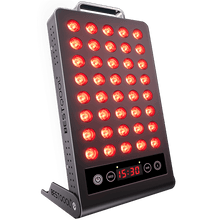
Within that context, many of my clients use at-home red light therapy as an adjunct to dermatologist-recommended dry-skin care. Practically, that often means first optimizing the basics that major medical centers emphasize: correcting humidity, choosing the right moisturizers, adjusting showers, and avoiding irritants. Once that foundation is in place, a consistent red light routine can help with lingering redness, mild scaling, or recurrent itch, particularly on areas prone to eczema or irritation.
A typical pattern is to cleanse gently, apply a humectant or light serum if desired, use a red light device according to its instructions, and then seal everything in with a barrier cream or ointment. The light exposure is usually brief, not hot, and should never cause burning or increased dryness. Any warmth should feel soothing rather than intense.
If you have a diagnosed skin condition such as eczema, psoriasis, or rosacea, it is wise to ask your dermatologist whether red light is appropriate for you. They can help you avoid conflicts with other treatments, such as strong topical steroids or photosensitizing medications.
Pros, Cons, and Safety Considerations
The main advantages of red light therapy, based on how dermatology clinics use phototherapy and what I see in practice, include its non-invasive nature, lack of systemic side effects, and ability to be combined with most moisturizers and supportive routines. For some people, it becomes a calming ritual that reduces the itch-scratch cycle, which is valuable because scratching can worsen dryness and lead to infection, as Cleveland Clinic and Northwestern Medicine emphasize.
On the other hand, red light is not a quick fix for severely cracked or infected skin, and it does not replace medical evaluation when dryness may signal underlying disease. Consumer devices vary widely, so results are not uniform, and overpromising would be misleading. If you notice increased redness, burning, or worsening dryness after light sessions, you should stop and discuss this with a healthcare professional.
When used thoughtfully, alongside evidence-based skin care and home strategies, red light therapy can be a helpful adjunct for supporting barrier recovery and calming inflammation through the challenging fall and winter months.
When Dryness and Peeling Signal Something More
Most seasonal dry skin improves with the kinds of lifestyle and product changes described above. However, multiple sources, including Cleveland Clinic, Harvard Health, SummitMD Dermatology, and hospital systems such as NewYork-Presbyterian and Overlake Medical Center, stress that there are times when professional evaluation is essential.
Warning signs include persistent dryness that does not respond to regular moisturizing and environmental adjustments, severe itching that disturbs sleep, widespread redness or scaly patches, deep cracks that bleed or become very painful, and any areas that look infected, such as red, swollen, warm, or oozing. Darkening of scratched areas or crusting on inflamed skin, as described by SummitMD Dermatology, can also signal infection.
Another reason to seek care is if dryness comes with other systemic symptoms or if you have risk factors for conditions like diabetes, thyroid disease, kidney problems, or nutritional deficiency. In such cases, the skin is often reflecting an internal imbalance. Dermatologists, as the American Academy of Dermatology and Harvard Health point out, are trained to recognize when dry skin is simply seasonal and when it is a sign of something deeper.
When you do see a clinician, bring a clear history of your skin-care products, bathing habits, home environment, medications, and any devices such as red light panels you are using. That information helps your provider tailor guidance and decide whether prescriptions, in-office treatments, or further testing are needed.

FAQ: Fall Skin Dryness and At-Home Red Light Therapy
Is fall skin dryness always just from the weather?
Not always. Cold, dry air and indoor heating are major drivers, but as Cleveland Clinic and SummitMD Dermatology note, dry skin can also reflect medical issues such as diabetes, kidney or thyroid disease, or nutritional deficits. If your dryness is severe, sudden, or does not respond to moisturizer and basic changes, it is important to have it evaluated.
How long should it take to see improvement once I change my routine?
In my experience, when someone adopts consistent habits recommended by sources like Harvard Health and Northwestern Medicine—short lukewarm showers, fragrance-free cleansers, thicker creams applied to damp skin, and a humidifier—many notice improvement in tightness and flaking within about one to two weeks. Deeper cracks or eczema patches may take longer and often need professional treatment.
Can red light therapy replace my moisturizer in fall?
No. Moisturizers that contain ceramides, humectants, and occlusives are still the frontline tools for repairing your barrier, according to Cleveland Clinic and multiple dermatology practices. Red light therapy is best viewed as a complementary option to help calm inflammation and support repair, especially in conditions like eczema where phototherapy has a role, as Berlin Dermatology describes.
Is it safe to use red light therapy on very dry or peeling skin?
For most people, gentle red light exposure is well tolerated, but you should avoid using any light device on areas that are open, actively infected, or severely inflamed unless your dermatologist specifically approves it. If your skin burns, stings, or becomes more irritated after sessions, stop and seek professional advice. Red light should feel comfortably warm at most, not hot or painful.
As you navigate this fall season, remember that dry, peeling skin is not a personal failing or something you just have to accept. It is your body’s way of asking for a bit more protection and care. Combining dermatologist-backed basics—smarter moisturizing, gentler cleansing, better humidity, nourishing nutrition—with thoughtful use of tools like red light therapy can help your skin feel comfortable, resilient, and calm all the way through to spring.
References
- https://www.health.harvard.edu/staying-healthy/9-ways-to-banish-dry-skin
- https://www.overlakehospital.org/blog/fall-radiant-skin-5-tips-preventing-seasonal-dryness
- https://my.clevelandclinic.org/health/diseases/16940-dry-skin
- https://www.nm.org/healthbeat/healthy-tips/skin-care-in-the-dry-winter-air
- https://www.nyp.org/patients-and-visitors/advances-consumers/issues/10-tips-for-protecting-your-skin-in-the-cold-weather
- https://www.aad.org/public/everyday-care/skin-care-basics/care/winter-skin-survival-kit
- https://afcurgentcarecharlottenc.com/understanding-fall-skin-dryness/
- https://www.berlindermatology.com/blog/dont-let-dry-itchy-skin-ruin-your-autumn
- https://www.completefamilydermatology.com/preventing-dry-skin-as-temperatures-drop/
- https://www.everydayhealth.com/beauty-pictures/7-surprising-causes-of-dry-skin.aspx


 Small
Small

 Moderate

 Moderate

 Moderate

 Full
Full

