
Not necessarily. After a workout, use red light therapy on the front, back, or both sides based on the areas you intend to target---not because a two-sided session is automatically better.
If your workout mainly stressed muscles accessible from one position, a single position may be the practical choice. If the areas you want to include are on different body surfaces, treating both sides can make sense. The important point is to plan positions around your training session and follow the operating instructions for your specific device rather than automatically doubling exposure.
Start with the Muscles You Trained

A post-workout session does not need to become a full-body routine by default. First, identify what your training actually emphasized.
For example:
- After a push-focused upper-body workout, you may choose a position that faces the chest, shoulders, and arms.
- After a pull-focused workout, you may prefer a position that faces the back, rear shoulders, and arms.
- After lower-body training, you might use separate positions if you want to include both the front and back of the legs.
- After a unilateral session or when one area is your main focus, prioritize that area instead of treating every available surface.
This approach keeps the session tied to your activity rather than turning "both sides" into a rule.
When Treating Both Sides is Practical
Treat both sides when the surfaces you want to include are positioned differently.
A simple way to decide is to ask: Can I place the intended area directly in front of the device from my current position?
If the answer is no, a second position may be useful. For instance, someone who wants to include both the front and back of the thighs would generally need to change position rather than assume one stance covers both treatment targets.
This is especially relevant for home users with smaller or targeted devices. A larger setup may make it easier to include more of one body surface at a time, but broader coverage does not automatically mean you need a longer session or that every muscle requires treatment after every workout.
Do Not Double the Session Automatically
Using two positions can mean dividing a planned session between body surfaces. It should not automatically mean doubling the total exposure time.
More is not always the better choice with light-based routines. Treat the device's verified instructions as the limit for session length, distance, coverage, and any positioning guidance. If your device directions specify a routine for a treatment area, use that information to plan your front-and-back positions rather than creating a longer session simply because you trained hard.
A practical approach is:
- Choose the one or two body surfaces most relevant to that workout.
- Set up a position that exposes each chosen surface directly.
- Divide or structure the session according to your device's verified guidance.
- Avoid adding extra positions just to make the routine feel more comprehensive.
Choose Targeted Exposure or Broad Convenience
There are two reasonable post-workout approaches, depending on your goal.
Targeted Post-Workout Positioning
Targeted positioning is useful when you want the session to reflect a specific training day. A runner may focus on the legs, while a lifter may rotate positions according to upper- or lower-body training.
This option is often simpler: select the trained area, use the appropriate position, and stop when the planned session is complete.
Broad Post-Workout Positioning
A broader routine may suit someone who prefers a consistent habit after full-body training. Even then, treat broad coverage as a convenience choice---not proof that a longer or both-sided session will produce a better recovery result.
If a broad routine requires several positions, make sure the added time still fits the operating instructions for your device.
Keep Timing and Recovery Expectations Realistic
Post-workout use is a timing choice, not a substitute for recovery basics. Your training load, sleep, hydration, nutrition, and rest still shape how you feel between sessions.
Avoid treating a front-and-back routine as a guarantee against soreness, fatigue, or reduced performance. Likewise, do not assume a consumer home setup matches the protocols used in exercise research.
If you use red light therapy after training, make the routine repeatable and proportionate to the workout. A short, intentional plan is more useful than a complicated session built around the idea that every body surface must be treated.
Check Your Device Instructions Before Changing Positions
Before adding a second position, verify the instructions for the exact device you use. Check its guidance for:
- Treatment-area coverage
- Session duration
- Recommended distance
- Positioning
- Eye-safety directions
- Any warnings or use limitations
Use any required eye protection and follow the device-specific safety directions. If you have a condition or medication-related concern addressed in the instructions, use the stated guidance before adding post-workout sessions.
Make the Decision Workout by Workout
After training, identify what you worked, choose the surface or surfaces you want to place directly in front of the device, and avoid automatically doubling the session. Treat both sides when both sides contain your intended targets---not simply because it seems more thorough.
Then follow the verified instructions for your device and keep the larger recovery picture in place: sensible training load, hydration, nutrition, sleep, and rest.


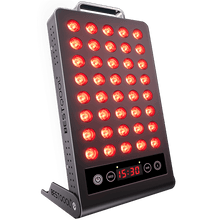
 Small
Small

 Moderate

 Moderate

 Moderate

 Full
Full

