

Most people do not reach for a second or third cup of coffee because they love the taste that much. They reach for it because they are tired, mentally foggy, or dragging through the afternoon. At the same time, more employees and employers are looking for gentler ways to support focus and stamina that do not rely only on caffeine.
Red light therapy is one of the most talked‑about options. Wellness centers now place full‑body red light beds right by the front door so people can slip in during lunch. At-home panels and masks are marketed for energy, recovery, and better mood. Some people even say their regular red light sessions helped them stop reaching for that afternoon latte.
As a red light therapy wellness specialist and health advocate, I appreciate the hope behind this question. I also care deeply that you get honest, evidence‑based guidance, not hype. So let us look closely at what red light therapy actually does, what the science says about energy and alertness, and whether it can realistically replace coffee in an office setting.
What Red Light Therapy Really Is (And What It Is Not)
Red light therapy, also called photobiomodulation or low‑level light therapy, uses specific wavelengths of red and near‑infrared light directed at your skin. Medical centers such as Cleveland Clinic, MD Anderson Cancer Center, and Stanford describe the same core idea: low‑level red or near‑infrared light can influence cell behavior without burning or damaging tissue.
Across the research you shared, several consistent themes show up.
Red and near‑infrared light penetrate the skin and are absorbed mainly in the mitochondria, the parts of your cells that produce energy in the form of ATP. Articles from Cleveland Clinic, Healthline, WebMD, Universal Neurological Care, and others explain that this light exposure appears to increase mitochondrial ATP production and modulate nitric oxide and oxidative stress. When cells have more usable energy and less inflammatory stress, they may repair faster and function more efficiently.
Clinics such as Health and Vitality Utah describe another aspect: at certain doses, red and near‑infrared light can reduce the way nitric oxide interferes with ATP production during stress or illness. That is one proposed reason users report feeling less depleted over time.
At the tissue level, large institutions like Stanford, UCLA Health, and MD Anderson report that red light therapy can, under specific conditions, improve collagen production in skin, modestly support hair regrowth in some forms of hair loss, and in some settings help wounds and irritated tissues heal. University at Buffalo researchers have shown that similar low‑dose light therapy can speed healing of radiation‑damaged skin in animal models.
Equally important is what red light therapy is not. It is not tanning. It does not use ultraviolet light, so it does not tan or intentionally damage cells. It is not a high‑heat laser that cuts or burns tissue. It is also not a magic “cure‑all.” Harvard Health, Cleveland Clinic, Healthline, and WebMD all emphasize that, outside of a few better‑studied uses (like some skin and hair conditions or specific pain indications), many popular claims remain ahead of the evidence.
When we talk specifically about energy, focus, or replacing coffee, we are firmly in the “emerging and promising, but not fully proven” zone.

A Quick Contrast: How Coffee Keeps You Going
Coffee works very differently from red light. Caffeine is a central nervous system stimulant. It blocks adenosine, a chemical that helps your brain register tiredness. As a result, many people feel more alert within a short time of drinking coffee.
The benefits of caffeine for short‑term alertness and reaction time are well documented in mainstream medical and sports science literature, though those sources are not the focus of your research set. Most office workers do not need a scientific paper to notice that their morning coffee helps them wake up, and that a late‑day espresso can make it harder to fall asleep.
Red light therapy does not stimulate your nervous system in that quick, blunt way. It works on cell metabolism and inflammation. That difference matters when we ask whether one could replace the other.

What Evidence We Have On Red Light Therapy, Energy, And Alertness
The question of “energy” can mean several things: subjective fatigue, mental clarity, physical stamina, or the absence of inflammatory aches that make the workday feel heavy. The research and clinical summaries in your notes touch all of these, but in different ways and with different strengths of evidence.
Mitochondria, Cellular Energy, And “Deep” Fatigue
Several sources, including Muscle Restoration Therapy, Universal Neurological Care, and Health and Vitality Utah, frame red light therapy as a way to support mitochondrial efficiency and ATP production. They connect this more efficient cellular energy to higher daily energy levels, better exercise capacity, and improved mental clarity.
A chronic fatigue–focused article from Prism Light Pod describes people with persistent exhaustion reporting better energy, less muscle pain, and improved sleep after consistent sessions using red and near‑infrared wavelengths in the 630–850 nanometer range. The same piece explains that red light seems to reduce inflammation, increase blood flow, and promote nitric oxide release in a way that can support recovery and reduce the burden on the body.
On the more experiential side, a wellness article from RenOja describes a pattern many regular users notice. In the first few sessions, inflammation and soreness feel lower. By around ten consistent sessions, people often report a clearer boost in energy and mood that feels “clean” and sustained rather than jittery, with fewer afternoon crashes.
These descriptions line up with the mechanistic story: if your cells are producing energy more efficiently and carrying less inflammatory stress, it makes sense that you would feel less dragged down. However, as Stanford and WebMD point out for many red light uses, most of the strong evidence so far is for skin, hair, and certain wound and pain indications. Large, rigorous human trials looking specifically at workplace fatigue and productivity are not yet in place.
Sleep, Circadian Rhythm, And Daytime Alertness
Alertness is not just about stimulation; it is also about how well you slept last night.
A 2023 article in the BUHealth journal “Giving the Green Light to Red Light” notes that light, including red light, can influence hormone levels that regulate sleep and wakefulness. It frames red light therapy as a simple daily strategy to enhance sleep and, indirectly, daytime alertness.
Inner Healing Medical discusses Seasonal Affective Disorder, a pattern of winter depression marked by low energy, sluggishness, oversleeping, and heavy fatigue. They cite research in the Journal of Affective Disorders and Frontiers in Endocrinology suggesting that red light exposure can help reset disrupted circadian rhythms and support serotonin production, leading to better sleep patterns, more daytime wakefulness, and reduced “winter tiredness.”
Unlike blue light, which can suppress melatonin and disrupt sleep, red light does not appear to interfere with melatonin production in the same way. This is why wellness clinics like 212 Med Spa feel comfortable suggesting evening red light sessions and even recommend shifting your phone display toward red tones at night to be kinder to your sleep.
If your office fatigue is driven largely by poor sleep and circadian disruption, improving your light environment, including possible use of red light in the evening and natural light in the morning, may indirectly give you more “coffee‑like” alertness during the workday without extra caffeine.
Mood, Mental Health, And The “Office Blues”
Low mood and stress are another drain on office energy. Several sources suggest that red light therapy may have mood‑supporting effects, though the science is early.
Serenity Wellness and Inner Healing Medical both describe red and near‑infrared light as influencing serotonin and circadian regulation, which can positively affect mood and emotional well‑being. Vitality RLT highlights improvements in anxiety, depression symptoms, and emotional stability as part of a broader set of “serene benefits.”
Academic and major medical sources are more cautious. Healthline and Cleveland Clinic note that, while red light therapy is being studied for mental health conditions such as depression, there is not yet strong evidence to recommend it as a primary treatment. A University of Utah Men’s Health podcast episode reinforces this, placing red light therapy far behind what the hosts call the “Core Four” behaviors: nutrition, physical activity, emotional and mental health practices, and sleep.
In an office scenario, that means red light might become part of a broader strategy for supporting mood—alongside therapy, stress management, movement, and adequate rest—but it should not be relied on as the main solution for burnout, anxiety, or depression.
What About Direct Alertness And Cognitive Performance?
For pure brain performance, the research is intriguing but preliminary.
The BUHealth article notes that red light therapy can influence alertness and daily performance. UCLA Health describes early studies using intranasal and transcranial red light in people with mild to moderate dementia; a short daily session for eight weeks was associated with cognitive improvements and no significant side effects. WebMD summarizes reviews suggesting that low‑level light therapy may help memory and mood in small dementia trials, but emphasizes how small and under‑controlled these studies are.
At this point, the evidence suggests that red light can affect brain function in measurable ways, but we do not have solid clinical trials saying, for example, that ten minutes in front of a red light panel at your desk will reliably improve your focus as much as a cup of coffee.

Coffee Versus Red Light Therapy: A Practical Comparison
It often helps clients to see the differences laid out side by side. Here is a simplified comparison, based on the research you provided and standard descriptions of caffeine’s effects.
Question |
Coffee |
Red light therapy |
Main mechanism |
Caffeine blocks sleep‑promoting signals, stimulating the brain. |
Red and near‑infrared light influence mitochondria, nitric oxide, and inflammation in cells throughout the body. |
Time to feel effect |
Usually minutes after drinking. |
More gradual; effects on energy and mood tend to emerge over repeated sessions, though some people feel calmer or more relaxed right away. |
Pattern of effect |
Noticeable “hit,” often followed by a dip or crash, especially with repeated doses. |
Less of a spike; when helpful, people describe steadier energy, less soreness, and fewer low points after days or weeks of consistent use. |
Impact on sleep |
Can disrupt sleep, especially later in the day. |
Does not appear to suppress melatonin; evening red light may support healthier circadian rhythms. |
Evidence for energy and alertness |
Strong and long‑standing for short‑term alertness and vigilance. |
Early and mixed; more solid for reducing inflammation, supporting sleep, and easing some chronic fatigue patterns than for immediate alertness. |
Side effects and risks |
Jitters, anxiety, heartburn, palpitations, dependence, and sleep disruption in some people. |
Generally low risk when used as directed; potential for eye strain or damage without protection, temporary skin irritation, and unknown long‑term effects with frequent use. |
Relatively inexpensive per cup; easy to access anywhere. |
Requires a device or access to a wellness center; costs can range from around $100 for small panels to many thousands of dollars for large systems, and professional sessions often cost tens of dollars each. |
Seen this way, red light therapy is less of a “coffee replacement” and more of a slow‑acting, cellular‑level support that might reduce your need for coffee over time, especially if your fatigue is driven by poor sleep, inflammation, or chronic stress.
How Red Light Therapy Could Fit Into An Office Day
The most realistic and safe use of red light therapy in a work context is as a complement to coffee and healthy habits, not an all‑or‑nothing swap.
Most of the protocols described by wellness clinics and discussed in the University of Utah podcast involve relatively short, repeated exposures. Prism Light Pod suggests daily sessions of about ten to twenty minutes. Serenity Wellness typically uses ten to thirty minute sessions. UCLA Health and other academic sources note that long‑term effects are not fully known, but short‑term adverse effects appear minimal when doses stay in that general range.
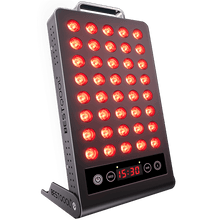
In real life, that could look like using a high‑quality, properly specified red or near‑infrared light device at home before work, or using a device in a wellness room, gym, or nearby studio on your lunch break.
For example, some people start their day with a ten to fifteen minute session in front of a panel that delivers red and near‑infrared wavelengths similar to those used in published studies, often in the 630–660 nanometer and 810–850 nanometer ranges described by Prism Light Pod and the University of Utah team. They pair that with a glass of water, a balanced breakfast, and a moderate amount of coffee. Over time, they notice that they do not need the extra mid‑afternoon coffee to get through the day.
Others prefer a brief midday session, either in a full‑body pod like those described by Vitality RLT and RenOja or using a targeted panel over sore muscles and joints. The goal there is less about instant pep and more about reducing the inflammatory burden and muscle fatigue that make late‑day meetings feel so draining.
Whatever timing you choose, two patterns show up consistently in the sources.
First, consistency matters more than intensity. Universal Neurological Care and UCLA Health both emphasize that therapeutic effects begin at the cellular level early on, but visible or felt improvements generally require multiple sessions over days or weeks.
Second, red light therapy works best when it is layered on top of foundational habits, not instead of them. The University of Utah Men’s Health discussion is very clear that nutrition, movement, sleep, and mental health practices are far more important for long‑term health than any gadget, including red light.
Safety, Realistic Expectations, And Who Should Be Cautious
Any time you bring a wellness tool into your workday, safety and expectations matter.
Cleveland Clinic, Healthline, WebMD, MD Anderson, Harvard Health, and Stanford all converge on a similar message: low‑level red and near‑infrared light therapy appears generally safe in the short term when used as directed, and it does not use ultraviolet light associated with skin cancer. At the same time, there are important caveats.
Eye protection is non‑negotiable for high‑intensity lights. MD Anderson uses shields and goggles during clinical treatments to protect the retina from direct laser exposure. Harvard Health points to an LED acne mask recall driven in part by concern about eye safety. Even for at‑home or wellness‑center panels, you should avoid staring directly into the lights and use appropriate eye shields if the device or provider recommends them.
Skin reactions are possible if doses are too high or if you have very sensitive skin. WebMD and Healthline mention temporary redness or, rarely, blistering at high intensities. Following manufacturer or clinic instructions on distance and exposure time is essential.
Long‑term safety is not fully known. Harvard Health and Cleveland Clinic stress that we do not yet have decades‑long data on frequent cosmetic or wellness use. That does not mean red light therapy is unsafe; it means we should avoid the temptation to overuse it, especially at high intensities, simply because it feels gentle.
Some people should talk to their healthcare provider before using red light therapy, and this is especially relevant in an office program where many different employees may participate. Healthline and WebMD specifically call out individuals with a history of skin cancer, eye disease, or conditions that increase light sensitivity, as well as people taking photosensitizing medications. Cleveland Clinic notes that there is no strong evidence of harm in pregnancy, and one WebMD‑summarized study of several hundred pregnant women using laser light treatments did not show harm, but the overall data remain limited, so medical guidance is wise.
Finally, expectation management may be the most important safety factor of all. Stanford, Healthline, Harvard Health, and the University of Utah team all caution against treating red light therapy as a cure‑all. It is not a replacement for medical evaluation when something is wrong. It is not a substitute for facing an overwhelming workload, an unhealthy work culture, or untreated depression. Those require honest conversations, structural changes, and, often, professional care.

So, Can Red Light Therapy Replace Coffee In The Office?
If we define “replace coffee” as “provide a quick, reliable jolt of alertness within minutes,” the honest answer is no. Red light therapy does not act that way, and the research you shared does not support that claim.
If we define “replace coffee” more softly as “help me feel energized and steady enough that I do not need as much caffeine to make it through the day,” then red light therapy may play a meaningful supporting role for some people.
By improving sleep and circadian rhythm in people whose rhythms are disrupted, easing inflammation and pain that quietly drain energy, and supporting healthier cellular metabolism, red light therapy can make the workday feel lighter and more sustainable. Several of the wellness and clinical sources you shared describe exactly that kind of experience: fewer afternoon slumps, better recovery from stress and workouts, and a calmer, more grounded sense of energy rather than a wired buzz.
At the same time, the most credible medical sources in your research set are unanimous on two points. Red light therapy is best viewed as an optional, generally low‑risk adjunct. And it should never distract from the basics that influence office energy far more powerfully: adequate sleep, nourishing food, movement, emotional support, meaningful breaks, and reasonable workloads.
For most workers, the most practical and sustainable approach is not “red light instead of coffee,” but “red light plus a healthier relationship with coffee.” That might look like one moderate morning coffee, a brief red light session at home or on your lunch break, a short walk outside for natural light, and an intentional cutoff for caffeine early enough to protect your sleep.

Short FAQ: Red Light Therapy And Office Life
If I sit in front of a red light panel before work, how soon will I feel a difference?
Experiences vary. Some people feel a sense of relaxation or gentle clarity after even one session, but the more consistent pattern described by clinics like RenOja, Vitality RLT, and Prism Light Pod is that noticeable changes in energy, soreness, and mood accumulate over days or weeks of regular use. Think of it more like building fitness than flipping a switch.
Is it safe to have a red light device at my desk?
Safety depends on the device, its intensity, how close you sit, and how you use it. Major centers such as Cleveland Clinic, Healthline, and Harvard Health advise protecting your eyes from direct exposure, following manufacturer instructions on distance and session length, and avoiding overuse. In a shared office, you also need to consider coworkers who might be light‑sensitive or simply uncomfortable with a bright red glow in their field of view. For many people, using red light therapy at home before or after work, or in a private wellness space, is more practical than running a panel at a workstation all day.
Who is a good candidate to try red light therapy for office fatigue?
Based on the patterns in your research set, potential candidates include people whose fatigue is tied to chronic soreness, inflammation, or mild winter‑related mood shifts, and those who are already attending to the basics of sleep, nutrition, and movement. People with serious medical conditions, significant depression, eye disease, a history of skin cancer, or those on light‑sensitizing medications should involve their healthcare providers in the decision. Across sources from Cleveland Clinic, Healthline, WebMD, and MD Anderson, the shared advice is to view red light therapy as one tool in a comprehensive care plan, not a stand‑alone cure.
Red light therapy can be a powerful ally in creating a calmer, more sustainable kind of energy for your workday, especially when you pair it with nourishing habits and sensible caffeine use. If you are curious, start gently, stay consistent, respect the science and the safety guidelines, and let your own body’s response guide how it fits into your daily routine.
References
- https://www.health.harvard.edu/diseases-and-conditions/led-lights-are-they-a-cure-for-your-skin-woes
- https://www.unr.edu/nevada-today/news/2008/fit-bits-light-medicine-for-your-health
- https://www.buffalo.edu/news/releases/2022/01/029.html
- https://digitalcommons.butler.edu/buhealth/vol1/iss1/11/
- https://med.stanford.edu/news/insights/2025/02/red-light-therapy-skin-hair-medical-clinics.html
- https://healthcare.utah.edu/the-scope/mens-health/all/2024/06/176-red-light-therapy-just-fad
- https://www.brownhealth.org/be-well/red-light-therapy-benefits-safety-and-things-know
- https://www.mdanderson.org/cancerwise/what-is-red-light-therapy.h00-159701490.html
- https://my.clevelandclinic.org/health/articles/22114-red-light-therapy
- https://www.gundersenhealth.org/health-wellness/aging-well/exploring-the-benefits-of-red-light-therapy


 Small
Small

 Moderate

 Moderate

 Moderate

 Full
Full

