

When you finish a session under a red light panel or mask and notice your skin looks pink or flushed, it is very natural to wonder whether that is a good sign or a warning sign. As someone who spends a lot of time helping people integrate at‑home red light therapy into their routines, this is one of the most common worries that comes up.
The reassuring truth is that a little bit of temporary redness is not only common, it is often part of the normal response as blood flow increases and your skin’s cells become more active. At the same time, persistent or uncomfortable redness can be your skin’s way of telling you that something about the way you are using the device needs to change.
In this guide, I will walk you through what the science says about redness, how to tell normal responses from irritation, and practical steps you can take to keep your skin safe while still enjoying the benefits of red light therapy.
What Red Light Therapy Actually Does To Your Skin
Red light therapy, often called low‑level light therapy or photobiomodulation, uses low‑energy red and near‑infrared light rather than heat or ultraviolet rays. Medical sources such as Cleveland Clinic, Stanford Medicine, and MD Anderson Cancer Center describe it as a noninvasive way to influence how cells function without burning or damaging tissue.
Most skin‑focused devices use wavelengths in the red range around 600–650 nanometers, sometimes combined with deeper‑penetrating near‑infrared light around 800–850 nanometers. These wavelengths are absorbed primarily by structures inside the cell called mitochondria. Research summarized by Cleveland Clinic and other academic centers suggests that, when the dose is appropriate, this can increase cellular energy (ATP), support collagen and elastin production, and modulate inflammation.
Dermatology sources like Arizona Dermatology and Dr. Sabrina’s clinic describe several skin benefits that have shown up in clinical and mechanistic studies:
Your skin may gradually produce more collagen and elastin, which can translate into improved firmness and fewer fine lines. Circulation and oxygen delivery to the skin surface can improve, sometimes leading to a more even tone and smoother texture. Because of its anti‑inflammatory effects, red light therapy is being used for acne, rosacea, eczema, and other inflammatory skin conditions. It can also support wound healing and help soften the look of scars over time.
Importantly, this is very different from ultraviolet light in sunlight or tanning beds. UV light can damage DNA, accelerate aging, and increase skin cancer risk. Red and near‑infrared light used in therapy devices are non‑ionizing, do not tan the skin, and are not tied to those UV‑type dangers in the studies reviewed by Cleveland Clinic and multiple safety overviews.

Why Skin Sometimes Turns Red After Red Light Therapy
If red light therapy is non‑burning and non‑UV, why does your face or body sometimes look pink afterward?
Several of the research briefs and clinical summaries you provided describe a similar pattern. Industry and clinical reviews from groups like Platinum Therapy Lights, Rouge, Krysus, and Greentoes in Tucson all note that the most common short‑term side effects are mild and localized: temporary redness, a feeling of warmth, tightness, or slight irritation in the treated area. A consumer‑focused guide from Solawave explains that a short‑lived pink flush is usually a normal response linked to increased circulation.
Red and near‑infrared light can promote vasodilation, which is the widening of blood vessels. Stanford Medicine notes this effect around hair follicles, and other sources describe improved blood flow in skin and deeper tissues. When blood vessels widen and circulation increases near the surface, your skin may look a bit redder or feel slightly warm for a short time. That does not mean cells are being harmed; in fact, several dermatology sources characterize red light therapy as anti‑inflammatory overall and useful for reducing chronic redness in conditions like acne and rosacea.
So, in many cases, a mild flush is simply evidence that blood flow has increased in response to the light and that your skin barrier is a little more active and permeable right after a session.
That said, not all redness is the same, and it helps to know where normal ends and irritation begins.

Normal Flush Or Problem? How To Tell The Difference
Clinical and brand‑neutral sources converge on a few key distinctions between normal, expected redness and concerning irritation.
Solawave’s guidance captures this distinction clearly. A normal response is described as a light pink flush that appears soon after treatment and fades on its own, often within about an hour. Rouge and other safety articles mention that temporary redness and tightness usually resolve within a few hours at most. There is no burning, no stinging, and no significant discomfort.
By contrast, several sources describe irritation as redness that persists, deepens, or comes with symptoms such as itching, stinging, burning, swelling, or pronounced sensitivity. Solawave notes that if redness and warmth linger for a day or two after you stop using the device, your skin is not just flushed; it is irritated. Krysus and Rouge emphasize that while these reactions are usually mild and reversible, they are signs that your skin has had too much, too soon.
Here is a simple way to visualize the difference, based on patterns described across the research notes.
Skin response after red light therapy |
What it usually means |
Light pink flush that fades within about 10–60 minutes, possibly up to a few hours, without discomfort |
Common and generally normal; reflects increased circulation |
Slight warmth or tightness that settles quickly and feels comfortable |
Typical short‑term response, especially in sensitive users |
Redness that lingers into the next day, feels hot, itchy, burning, or tender |
Likely irritation or overuse; you should adjust your routine and let skin recover |
Redness plus swelling, blistering, or pain |
Unusual and not normal; may indicate misuse, device malfunction, or another skin issue and warrants medical advice |
Normal responses can vary by skin type and device strength, so not everyone will turn pink. Some people finish a session with virtually no visible change yet still experience benefits over time. Redness is one possible response, not a requirement for the therapy to “work.”

How Long Can Normal Redness Last?
The research‑based consumer guides in your notes are fairly consistent: normal post‑session redness is short‑lived. Solawave describes a pink flush that generally settles within about an hour; other safety overviews speak in terms of “a few hours.” If the color fades over the course of the morning or evening and your skin feels comfortable, that pattern aligns with what dermatology and safety sources describe as expected.
If your skin is still noticeably red, warm, or irritated the next day, or if symptoms seem to worsen rather than improve, it is safer to treat that as a sign of overload and adjust your routine rather than push through.

When Redness Signals Irritation Or Overuse
Even though Cleveland Clinic and Stanford Medicine both describe red light therapy as generally safe with minimal short‑term side effects when used properly, several patterns show up again and again in reports of irritation.
Using the device for too long or too often is a frequent trigger. Safety guides from Platinum Therapy Lights, Rouge, and Greentoes emphasize that more time in front of the light does not automatically equal better results. Greentoes gives an example of safe use of around 10–20 minutes per area, three to five times weekly, and labels falling asleep under a device for 30 minutes or longer as unsafe. Krysus notes that overexposure can, in rare cases, even lead to burns.
Using a device too close to the skin, especially wraps and rigid masks that sit directly on the face, can create hot spots. Platinum Therapy Lights points out that this kind of point‑blank application not only reduces ideal light overlap for collagen stimulation; it can also concentrate warmth and provoke redness or tightness.
Pre‑ and post‑treatment skin care matters. Aftercare resources from Dr. Muller, LumiVisage, Vellgus, and Solawave all highlight that applying strong acids, retinoids, or other aggressive actives right before or after a session increases the chances of irritation. When your skin is in a more reactive “golden window” right after treatment, harsh ingredients can feel like overloading an already stimulated system.
Underlying skin sensitivity and medical factors also play a role. Rouge, Krysus, and Greentoes all note that people with very sensitive skin or conditions such as rosacea or eczema can usually use red light therapy but may be more prone to transient redness or irritation and should start slowly. Multiple safety articles, as well as Cleveland Clinic and Brown Health, caution that medications or conditions that increase light sensitivity—such as certain antibiotics, isotretinoin, some anti‑inflammatories, or autoimmune diseases like lupus—can make the skin react more strongly, including more pronounced redness.
In short, if your redness is intense, lasting, or uncomfortable, it is less about red light therapy being inherently dangerous and more about your skin telling you that the current dose, distance, or surrounding skin care is too aggressive for you.

Is It Safe To Keep Using Red Light Therapy If Your Skin Turns Red?
The answer depends on how your skin looks and feels.
When the skin is simply a little pink and comfortable, most dermatology and safety sources consider that normal, especially if it fades within an hour or so. In that scenario, you can generally continue using your device, while still paying attention to whether you might tolerate shorter or less frequent sessions just as well.
If redness is pronounced, persists into the next day, or comes with discomfort, several sources recommend taking a break and adjusting your approach. Solawave advises pausing use for a few days, simplifying your skin care routine, and then reintroducing the device with shorter sessions and patch testing on a small area. Krysus and Rouge both emphasize monitoring for side effects during the early phases of treatment and dialing back intensity or duration if you see signs of irritation.
Cleveland Clinic, MD Anderson, and Stanford dermatologists all stress that while red light therapy has a favorable safety profile, it should not be used as a replacement for medical care. If redness is accompanied by swelling, blistering, worsening rash, or any open wounds, or if you have a history of skin cancer, autoimmune disease, or are on complex medications, it is wise to involve a dermatologist or your primary clinician before continuing.

Reasonable Session Times And Frequencies
One source of confusion is that not all devices are equally powerful, and different manufacturers give different recommendations. Still, the research notes you provided show a few common ranges.
Dr. Sabrina’s clinic, Cleveland Clinic, and several device‑agnostic overviews describe typical cosmetic protocols of about 10–20 minutes per session, two or three times per week, adjusting for your specific device and skin type. Platinum Therapy Lights and Greentoes mention that home users sometimes treat three to five times per week, again keeping sessions in the range of roughly 10–20 minutes per area.
Where people get into trouble is treating the same area for much longer than recommended, stacking multiple strong treatments in a single day, or using the light daily at high doses without giving their skin rest days. Given that many trials and expert recommendations emphasize consistency over intensity, it is usually smarter to stay inside the suggested time window and show up regularly than to push the dose.
As a practical, skin‑friendly rule of thumb: if your skin stays comfortable and only slightly flushed after a session, your timing is probably in a good zone. If every treatment leaves you red and tender, your skin is telling you to scale back.

How To Soothe Red Skin After A Red Light Session
Thoughtful aftercare can make the difference between a temporary flush and lingering irritation. Several dermatologist‑informed guides outline the same core approach.
Dr. Muller’s light therapy aftercare and the skincare articles from LumiVisage, Vellgus, and Le Formulaire all encourage very gentle cleansing in the hours after a session. If your skin is not freshly washed before you begin, using a mild, non‑foaming cleanser without strong acids, alcohol, or fragrance is best. After treatment, rinse with lukewarm water if needed and pat the skin dry rather than scrubbing.
Hydration is the next priority. Multiple sources highlight hyaluronic acid as a helpful post‑treatment ingredient because it pulls water into the outer layers of the skin and helps counteract any dryness or tightness. Niacinamide, soothing botanicals like aloe vera or green tea, and peptides that support collagen and barrier repair are also widely recommended. These ingredients work with the collagen‑stimulating and anti‑inflammatory effects of red light therapy rather than against them.
Locking in that hydration with a barrier‑supporting moisturizer is critical, especially if your skin is on the dry or sensitive side. Look for creams or lotions with ceramides, glycerin, squalane, or gentle peptides. LumiVisage suggests choosing lighter textures for oily or acne‑prone skin and richer creams for dry or mature skin, so you support the barrier without clogging pores.
If you use your device in the daytime, sunscreen is non‑negotiable. Sources like Dr. Muller and Vellgus recommend a broad‑spectrum sunscreen of at least SPF 30 after treatment, with mineral options containing zinc oxide or titanium dioxide being especially gentle for recently treated skin. While red light itself does not increase UV sensitivity in the same way some medications do, your barrier can be more vulnerable right after a session, so protecting it from sunlight helps preserve results and prevents new sun damage.
Just as important is what you skip. Across multiple aftercare guides, strong exfoliating acids, benzoyl peroxide, retinoids, and heavily fragranced products are on the “avoid immediately after” list, particularly in the first 24–48 hours if you are feeling red or sensitive. These active ingredients can still be part of a broader routine, but they pair better with days when you are not also stimulating your skin with light.
Finally, do not forget internal hydration and lifestyle. Dr. Muller and Brown Health both mention that drinking enough water, eating a nutrient‑dense diet rich in vitamins A, C, and E and omega‑3 fats, managing stress, and getting seven to nine hours of sleep support your skin’s repair processes. When your skin is a bit flushed after a session, these basics matter even more.
Who Is More Likely To Notice Redness Or Irritation?
Not every skin responds the same way. From the sources in your brief, a few groups deserve extra care and monitoring.
People with sensitive or reactive skin, including those with rosacea, eczema, or a history of easily irritated skin, are more likely to feel tightness, mild burning, or see more pronounced redness, especially at first. Rouge and Solawave suggest that these users start with very short sessions and patch test a small area before treating the full face or body.
Individuals on photosensitizing medications also need to be cautious. Rouge and Solawave mention tetracycline antibiotics and isotretinoin as examples, and Greentoes and Krysus refer to antibiotics, retinoids, and other drugs that increase light sensitivity. In this context, even non‑UV light can trigger exaggerated reactions, including more intense redness, so it is essential to get your prescribing clinician’s approval before using red light therapy.
Autoimmune or light‑sensitive conditions, such as lupus, appear in several safety discussions. Greentoes notes that people with lupus or other photosensitive disorders should talk with their physicians before starting, and, if cleared, use conservative doses and monitor closely.
Children and pregnant or breastfeeding individuals are another special population. Greentoes explains that early research suggests red light therapy is likely safe in pregnancy, but expert guidance typically recommends avoiding direct treatment over the abdomen and getting your obstetric provider’s approval. For children, Greentoes recommends shorter sessions and strict eye protection under medical supervision. Krysus adds that, in its setting, the typical minimum unsupervised age for therapy is 18, with younger use dependent on parental consent and clinical judgment.
None of these factors automatically rule out red light therapy, but they do raise the stakes around listening carefully to what your skin is telling you, including how it reddens.

Red Light Therapy, Redness, And Skin Conditions Like Acne Or Rosacea
One confusing aspect for many people is that red light therapy is often promoted as being able to reduce redness over time, particularly in acne and rosacea, while also causing short‑term redness in some users.
Dermatology practices like Arizona Dermatology and Dr. Sabrina’s clinic describe red light as anti‑inflammatory, useful for calming acne, reducing post‑inflammatory redness, and supporting sensitive, reactive skin. In acne care, they point out that red light often complements blue light: blue targets acne‑causing bacteria, while red eases inflammation and supports healing and scar reduction. Over weeks to months, that can mean less background redness, fewer angry breakouts, and more even tone.
However, these longer‑term benefits do not prevent short‑term reactivity. If you have active rosacea or inflamed acne, your skin barrier may be compromised and your vessels more reactive. In that setting, even a helpful stimulus can temporarily increase redness or stinging if the dose is too high. That is why multiple sources stress starting with conservative timings, especially for inflammatory conditions, and integrating red light therapy into an overall gentle, dermatologist‑guided plan rather than relying on it alone.
In other words, yes, it is entirely possible for a therapy that ultimately reduces redness to cause a brief flush after each session. What matters is that the flush is mild, fades, and is part of a trend toward calmer skin over the weeks that follow.
Pros And Cons Of Continuing Despite Redness
Stepping back, it can help to weigh the benefits and limitations of persisting with red light therapy when your skin tends to redden.
On the positive side, dermatology and academic centers like Cleveland Clinic, MD Anderson, Stanford Medicine, and Stanford‑affiliated experts highlight that red light therapy can measurably change biology in some contexts, especially for skin rejuvenation, specific inflammatory skin diseases, and targeted uses like hair thinning and certain kinds of pain. Within these areas, clinical studies show modest but real improvements in collagen production, fine wrinkles, and certain inflammatory markers, particularly when treatment is consistent over many weeks.
Safety reviews from Platinum Therapy Lights, Rouge, Krysus, and others underline that across thousands of peer‑reviewed studies, serious short‑ or long‑term adverse effects have not been seen when devices are used as directed, although long‑term data are still evolving. The most commonly reported side effect is the kind of temporary redness and tightness we have been discussing.
On the other hand, there are clear limitations. Stanford Medicine and Brown Health both emphasize that benefits are modest and not guaranteed, protocols and dosing are not standardized, and evidence for systemic claims like weight loss, dementia treatment, or dramatic athletic performance gains remains speculative. Cleveland Clinic also points out that many online claims outpace the science, that at‑home devices are often less powerful than clinic systems, and that therapy can be time‑consuming and not covered by insurance.
Because of this, it rarely makes sense to force your skin through persistent redness or discomfort just to maintain a routine, especially if your goals are primarily cosmetic. For many people, adjusting the routine to where redness is mild and brief still allows gains, while a pattern of ongoing irritation increases the risk of barrier damage and undermines the very outcomes you are seeking.

A Practical Plan If Your Skin Is Red
If you are noticing redness after your sessions and want to approach things safely and thoughtfully, you can move through a simple sequence of steps.
In the short term, give your skin a rest. Most consumer‑facing safety guides recommend pausing your device for several days if you are dealing with lingering redness, warmth, or stinging. During this pause, switch to a very gentle routine: a mild cleanser, a soothing hydrating serum with ingredients like hyaluronic acid or aloe, a barrier‑supportive moisturizer, and, in the daytime, a broad‑spectrum SPF 30 or higher.
Once your skin feels calm, review how you are using your device. Check the manufacturer’s instructions carefully. Many medical and device sources center around 10–20 minutes per area, two or three times per week, although some devices built for brief daily use specify shorter sessions. If you have been treating longer than the manual suggests, using the highest intensity, or holding the device very close, consider reducing time, lowering intensity, or increasing distance.
When you feel ready to try again, patch test. Choose a small, less visible area of skin and treat it with a shorter session than usual. Watch for several hours and into the next day. If redness is mild and fades, expand slowly. If the same intense redness or discomfort returns, it is a sign to stop and seek professional input.
In parallel, look at your broader products and medications. If you are on retinoids, strong exfoliating acids, tetracycline‑class antibiotics, isotretinoin, or have a history of photosensitive conditions, ask your prescribing clinician or dermatologist whether red light therapy is appropriate for you right now and how to adjust your skincare routine around it.
If at any point you see severe redness, blistering, swelling, or symptoms that feel out of proportion to a cosmetic device, stop use immediately and contact a medical professional. While manufacturer and clinic safety data suggest such reactions are rare and often linked to misuse or faulty devices, it is always safer to err on the side of caution.

Frequently Asked Questions About Redness And Red Light Therapy
Does redness mean my red light therapy is working?
A short‑lived pink flush can be one sign that your circulation has increased, which is one of the expected responses to red light. However, it is not the only sign, and it is not required. Some people see excellent improvements in texture, fine lines, or acne over time with very little visible redness after sessions. What matters more is how your skin looks and feels over weeks and months, not whether you turn pink every time.
Can red light therapy cause a sunburn‑like reaction?
The light used in red light therapy devices does not include the ultraviolet wavelengths that cause sunburn and DNA damage, and sources like Greentoes, Rouge, Platinum Therapy Lights, and Cleveland Clinic all note that cancer risk from properly used red light devices appears minimal. That said, overexposure or malfunctioning equipment can cause burns or intense redness from heat, which may feel sunburn‑like even though the mechanism is different. If your skin feels very hot, painful, or blisters, stop using the device and seek medical care.
Is it safe to combine red light therapy with retinol or acids if my skin gets red?
Dermatology‑informed aftercare guides are quite consistent here. Retinoids, alpha‑hydroxy acids, beta‑hydroxy acids, and other strong exfoliants are best avoided in the immediate window around a red light session, particularly if you tend to get red or sensitive. These actives can certainly be part of a broader routine, but many experts recommend using them on non‑therapy days or at least spacing them far enough away from your sessions to reduce the risk of compounded irritation. If your skin is already reddened from red light therapy, it is safer to hold off on strong actives until it has fully calmed.
Can red light therapy cause permanent redness or broken capillaries?
The safety reviews in your brief do not report permanent redness or structural damage to blood vessels as a typical outcome of properly used red light therapy. Most redness described in clinical and consumer sources is mild and resolves within hours. There is far more evidence for red light’s role in reducing chronic redness and supporting barrier repair than for causing lasting redness. That said, if you notice persistent new redness, visible vessels, or changes that are not fading over time, it is important to see a dermatologist to rule out other conditions.
When your skin turns a gentle shade of pink after red light therapy and that tone settles quickly, it is usually a normal reflection of increased circulation, not a sign of harm. Your job is to pair the light with respectful dosing, thoughtful aftercare, and medical guidance when needed, so the therapy supports your skin’s resilience rather than testing its limits. If you stay curious, listen to your skin’s feedback, and partner with qualified professionals, red light therapy can be a calm, evidence‑informed ally in your at‑home wellness routine rather than a source of worry.
References
- https://www.health.harvard.edu/blog/light-therapy-not-just-for-seasonal-depression-202210282840
- https://med.stanford.edu/news/insights/2025/02/red-light-therapy-skin-hair-medical-clinics.html
- https://healthcare.utah.edu/the-scope/mens-health/all/2024/06/176-red-light-therapy-just-fad
- https://www.brownhealth.org/be-well/red-light-therapy-benefits-safety-and-things-know
- https://www.mdanderson.org/cancerwise/what-is-red-light-therapy.h00-159701490.html
- https://my.clevelandclinic.org/health/articles/22114-red-light-therapy
- https://www.aad.org/public/cosmetic/safety/red-light-therapy
- https://www.leformulaire.com/pre-care-and-aftercare-led-light-therapy?srsltid=AfmBOopcA6CKk3svXVzwa1wqGRrV6I8_4_2r5YP2v61F8W33D_1p3N9R
- https://www.greentoestucson.com/is-red-light-therapy-safe/
- https://www.medicalnewstoday.com/articles/325884


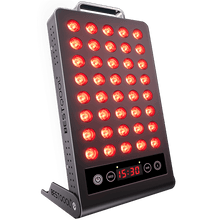
 Small
Small
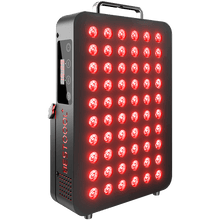
 Moderate
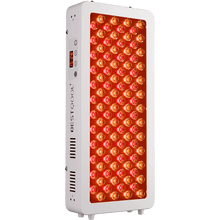
 Moderate
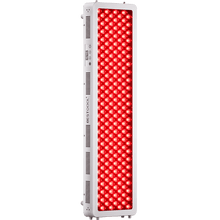
 Moderate
 Full
Full


