

When the weather turns colder, many people feel it in their feet first. Stiff toes after a long day on hard floors, heels that sting with every step, tingling from neuropathy, or nails that just will not clear up from a stubborn fungal infection can all feel worse when it is chilly and dry outside.
As a red light therapy wellness specialist, I see autumn and winter as the perfect moment to reset foot care. Warm foot soaks and red light therapy are two of the most popular at-home rituals I am asked about. The idea of combining them sounds almost too good: soothing heat from water plus targeted red and near‑infrared light for circulation, pain, and healing.
But is soaking your feet and then using red light therapy really the best wellness combo for the colder seasons, or is it just a trendy upgrade to a classic foot bath? Let us walk through what the evidence actually says and where thoughtful, real‑world experience fits in.
Why Feet Need Extra Care in Autumn and Winter
Feet work hard all year, but fall and winter add a few extra challenges. Each foot contains about 26 bones, 33 joints, and more than one hundred muscles, tendons, and ligaments, and they absorb thousands of impacts with every day of standing, walking, and exercising. When you layer in colder temperatures, heavier footwear, and drier indoor air, it is not surprising that common foot issues flare.
Clinics that focus on foot health note that pain, infections, neuropathy, and stiffness are extremely common. Articles on red and infrared foot therapy describe how foot pain can quickly lead to reduced mobility, which becomes a serious problem in its own right. Once you start avoiding walking because your feet hurt, everything from blood sugar control to mood and cardiovascular health can be affected.
Several patterns tend to show up more in the colder months. Plantar heel pain and plantar fasciitis can worsen when activity patterns change and shoes are less supportive. Existing neuropathy often feels more pronounced in cooler environments. Cracked heels, fungal infections, and dry, irritated skin become more common as humidity drops. For people living with diabetes or other conditions that impair circulation, these seasonal stresses can be even more concerning, because poor blood flow and slow healing are already in the background.
That is the context in which many people look for gentle, non‑drug options they can use at home to support foot comfort, circulation, and tissue health. Red light therapy has moved to the top of that list.
What Red Light Therapy Actually Does for Your Feet
Red light therapy, often called low‑level light therapy or photobiomodulation, uses low levels of red and near‑infrared light to influence cellular function. Consumer health sources such as WebMD describe it as noninvasive, using low heat and non‑ultraviolet wavelengths, which means it does not tan or burn the skin when used correctly.
At a cellular level, the light is absorbed by structures inside your cells known as mitochondria. Multiple foot‑focused sources explain that this boosts production of ATP, the primary chemical your cells use for energy. When injured or stressed tissues have more energy available, they can repair damage, manage inflammation more effectively, and restore normal function more quickly.
Specialized foot pain and neuropathy articles highlight additional mechanisms. Red and near‑infrared light can trigger the release of nitric oxide, a molecule that widens small blood vessels. Research summaries on foot‑pain therapy note that this vasodilation increases local circulation, bringing more oxygen and nutrient‑rich blood to nerves, muscles, tendons, and skin. That same improved microcirculation can help clear inflammatory byproducts and support nerve regeneration.
Clinicians who use red and near‑infrared foot pads point out that many systems are classified as Class II medical devices and are cleared by the US Food and Drug Administration to increase circulation, relieve pain, relax muscles, reduce muscle spasms, and ease aches and stiffness associated with arthritis. This does not mean red light is a cure‑all, but it does tell us that, at appropriate doses, regulators see it as reasonably safe and useful for certain kinds of pain and circulation problems.
Foot Conditions Where Red Light Shows Promise
Most of the evidence we have combines small clinical studies with real‑world clinical experience. That means the data are promising but not definitive, and larger, higher‑quality trials are still needed. With that caveat, several foot conditions consistently appear in the literature.
Plantar fasciitis and heel pain are common reasons people seek red light therapy. Guides published for plantar fasciitis explain that specific red and near‑infrared wavelengths can reduce inflammation in the plantar fascia, improve circulation, support collagen production, and calm overactive pain signaling. A number of practitioners use red light alongside stretching, manual therapy, and strengthening exercises, and report faster reductions in pain and better mobility than with exercise alone.
Neuropathy in the feet is another major area of interest. Education pieces aimed at people with neuropathy describe red light therapy as a way to increase ATP in damaged nerves and surrounding tissues, enhance blood flow, and reduce inflammation that compresses or irritates nerves. A nurse‑authored neuropathy overview notes that combining red and near‑infrared light can help stimulate Schwann cells, which insulate peripheral nerves, and support regeneration of nerve fibers. Clinical reports suggest that some people experience less burning, tingling, and numbness and improved comfort after weeks to months of consistent sessions. However, these sources are careful to emphasize that red light is not a cure for neuropathy and should be an adjunct to medically supervised care, not a replacement.
Foot swelling and edema also appear in the evidence. A review of red light and far infrared applications for swollen limbs describes studies where low‑intensity light increased skin blood flow in diabetic feet with lesions and where far infrared radiation reduced limb swelling and improved tissue composition in lymphedema. From a practical standpoint, the authors suggest that better blood flow and lymphatic drainage are key mechanisms behind reduced swelling and improved comfort.
Fungal and bacterial infections of the feet are another area where red light is being explored. A detailed foot hygiene article explains that red and near‑infrared wavelengths can have antifungal and antimicrobial effects. It defines common fungal issues such as athlete’s foot (a contagious infection between the toes that causes peeling, itching, and redness) and white superficial onychomycosis, which produces white patches on the toenails. These infections are notoriously hard to treat with topical or oral medications alone. One study from 2010 using near‑infrared laser for white superficial onychomycosis reported that after four treatments, 85 percent of patients showed clear nail growth. A later review in 2019, summarizing 1,723 patients and 4,278 infected nails, reported a 63 percent cure rate with red and near‑infrared light technologies. Those results involve laser setups rather than at‑home LED panels, but they show that light‑based approaches can be more than cosmetic for nail fungus.
Articles written for podiatrists also highlight broader foot pain, including pain from sprains, strains, arthritis, diabetes‑related complications, and overuse. They describe red light therapy as a noninvasive, drug‑free tool that can be layered into standard care to relieve pain and stiffness while supporting underlying tissue healing.
How Strong Is the Overall Evidence?
A balanced view matters. WebMD’s review of red light therapy notes that across many conditions, including musculoskeletal pain, skin health, and neurologic issues, studies are often small or of low to moderate quality. For some pain conditions and tendinopathies, results are generally positive, but the evidence is not yet strong enough to offer firm, one‑size‑fits‑all protocols.
Diabetes‑focused organizations echo that caution. diaTribe, a diabetes education outlet, emphasizes that red light therapy is not approved to treat diabetes itself and should never replace medications such as insulin or metformin. They discuss early research suggesting potential benefits for diabetic neuropathy, foot ulcers, and possibly glucose control, but repeatedly stress that red light should be considered strictly complementary until better clinical trials are completed.
Taken together, these sources support a practical conclusion. Red light therapy for the feet is a promising, generally low‑risk option for some types of pain, circulation issues, neuropathy, and fungal infections, especially when used consistently and combined with standard medical care. It is not magic, it is not a cure, and it works best as one part of a broader foot‑health plan.
Where Foot Soaks Fit In
Foot soaks are far more familiar than red light therapy. Warm water, sometimes mixed with Epsom salt or gentle cleansers, has been used for generations to soften skin, ease muscle tension, and create a sense of relaxation. While the research notes you provided are focused much more on red light than on soaking, there are a few intersections.
A detailed guide to foot‑focused red light therapy from Lumaflex suggests Epsom salt soaks as one of several complementary strategies to enhance results. They recommend soaking the feet for about fifteen minutes before a red light session to help reduce inflammation and prepare tissues. Other complementary approaches they mention include gentle foot stretches, calf stretches, and occasional massage.
Wellness service descriptions from skin‑care businesses also pair soaking and red light, such as ionic foot bath and red light therapy offerings. These pages function mainly as marketing materials and do not offer protocols, outcome data, or scientific explanations, but they confirm that the combination is popular in real‑world wellness settings.
Outside of those references, most of what we know about foot soaks comes from broader clinical practice rather than formal trials. Warm water can help relax muscles and soft tissues, make it easier to cleanse between the toes, and prepare thicker skin on the heels or soles for gentle exfoliation and moisturizing. For many people, especially those whose feet feel cold and tight in winter, a soak is as much about nervous‑system relaxation as it is about physical tissue effects.
At the same time, standard medical advice is often cautious about soaking for people with diabetes, serious circulation problems, or open wounds on the feet. The red light therapy sources aimed at diabetics and neuropathy repeatedly emphasize the importance of medical supervision for any at‑home therapy. That same caution applies to soaks: your healthcare provider is the right person to tell you how long, how warm, and how often soaking is safe for your specific situation.
Does Combining Soaking and Red Light Make Sense?
This is the heart of the question. Based on the evidence we have, can we say that soaking the feet and then using red light therapy is the best wellness combo for autumn and winter?
There are two parts to this answer. First, it is important to recognize that there are no large, high‑quality clinical trials that directly compare a combined soak‑plus‑red‑light routine against red light therapy alone, soaking alone, or standard care. Most of the research focuses on light therapy by itself alongside usual care, and the references to soaking are experiential recommendations rather than formal study arms.
Second, if we zoom out and look at mechanisms, there are logical reasons why the combination may feel especially effective and why so many people gravitate toward it as a seasonal ritual.
Warm water can help increase local blood flow and soften tissues. Red and near‑infrared light can further improve microcirculation, increase cellular energy production, and modulate inflammation and pain signaling. Starting with a soak may make the feet more comfortable, more receptive to gentle stretching, and easier to position comfortably in front of a light source. That sequence aligns with the practical guidance from Lumaflex, which pairs Epsom salt soaks and foot stretches with daily red light sessions for neuropathy and chronic foot pain.
At the same time, evidence‑based sources remind us to be modest in our claims. WebMD’s caution about the overall quality of red light research and diaTribe’s insistence that light therapy be treated as an adjunct for diabetes‑related issues are good anchors. We simply do not have direct trials that crown any particular self‑care combination as “the best” for everyone.
A more accurate, honest conclusion is that for many people, a warm foot soak followed by an appropriately dosed red light session can be a highly supportive, practical autumn‑winter routine. Its power comes from layering a comforting sensory experience with a technology that has increasingly good, though still developing, evidence for circulation, pain, and tissue health.
Comparing Soaking, Red Light, and the Combined Approach
To put this in perspective, here is a side‑by‑side look at what each approach tends to offer, based on the sources you provided.
|
Approach |
What it Mainly Does |
Evidence and Limitations |
Especially Helpful For |
|
Warm foot soak |
Relaxes muscles and soft tissues, supports basic hygiene, and provides sensory comfort in cold weather. |
Commonly used in practice; not heavily studied in the red light literature provided; may need caution in diabetes or poor circulation. |
General relaxation, mild soreness, preparation for moisturizers or gentle exfoliation. |
|
Red light therapy for feet |
Increases cellular energy, improves circulation and nitric oxide release, reduces inflammation, and may support nerve and tissue repair. |
Supported by small studies and clinical reports for plantar fasciitis, neuropathy, swelling, and fungal infections; evidence promising but still limited; does not replace medical care. |
Plantar heel pain, chronic foot pain, neuropathy symptoms, mild to moderate swelling, stubborn nail fungus under professional guidance. |
|
Adds the comfort and soft‑tissue relaxation of a soak to the cellular and circulatory benefits of light therapy; may improve adherence to a regular routine. |
No direct head‑to‑head trials; combination is recommended experientially in some protocols, such as Epsom soaks before neuropathy‑focused red light sessions. |
People who struggle with cold, tight feet in autumn and winter and want a calming ritual that supports pain relief, circulation, and skin and nail health. |

How to Build a Safe Autumn–Winter Routine with Soaking and Red Light
Even without rigid formulas, the research notes give us a clear sense of what practical, evidence‑informed foot routines look like.
Clarify What You Are Trying to Help
Red light therapy is not one thing; it is a tool that can support several different problems. Plantar fasciitis protocols emphasize reducing inflammation and supporting collagen in the plantar fascia. Neuropathy guides focus on nerve regeneration and pain relief. Foot hygiene pieces talk about stubborn fungal infections, cracked heels, and bacterial overgrowth. Swelling and edema articles highlight circulation and lymphatic drainage.
Knowing your primary goal helps you and your clinician choose sensible settings and expectations. If you live with diabetes and have neuropathy, for example, diabetes‑focused resources emphasize that red light should be viewed as a complementary therapy for nerve pain and ulcers, not a way to treat glucose itself, and that it must never replace medications or foot exams recommended by your care team.
Choose Your Red Light Device Thoughtfully
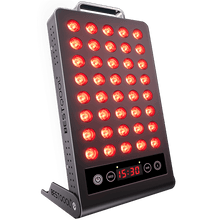
Devices are not all the same. Foot‑specific products include flexible wraps that can contour around the foot and ankle, pad‑style systems with dozens of red and near‑infrared diodes, and full‑sized panels that bathe a larger area in light. Articles from HealthLight and Lumaflex describe systems that use red wavelengths around 630 to 660 nanometers and near‑infrared wavelengths around 810 to 850 nanometers, ranges that are commonly cited as effective for superficial tissues and deeper structures like fascia and nerves.
Home and clinic guides consistently encourage choosing FDA‑cleared or registered devices when possible, because these have been reviewed for safety and performance claims. WebMD notes that at‑home devices are typically less powerful than clinic‑grade systems, which means they may be slower or require longer or more frequent sessions. Several sources, including sports‑injury and neuropathy guides, stress that the exact energy dose delivered to the skin is more important than brand names, and they recommend following manufacturer instructions carefully rather than improvising with extra‑long sessions.
Create a Gentle Weekly Rhythm
Across plantar fasciitis, neuropathy, swelling, and general recovery guides, one pattern shows up repeatedly: moderate sessions, several times per week, sustained over weeks.
Plantar fasciitis resources, neuropathy overviews, and swelling articles often mention sessions in the ten to twenty minute range. A swollen‑foot guide suggests three to five sessions per week, ten to twenty minutes each, with the device held several inches from the foot. Lumaflex’s neuropathy protocols talk about daily ten to fifteen minute sessions in more intense phases, then transitioning to three or four sessions per week for maintenance. A nurse‑authored neuropathy guide suggests that meaningful nerve healing usually requires consistent sessions three to five days per week across multiple months.
For autumn and winter, this translates into a realistic routine: treat your feet most days of the week for a short, predictable window. Many people find it easiest to anchor this to an existing habit, such as an evening wind‑down or a post‑walk recovery period. Rushing one marathon session once in a while is not the goal; gentle, consistent exposure is where the research and clinical experience seem to align.
Layer in Soaking Mindfully
If you enjoy foot soaks and your clinician has not advised against them, you can place them strategically within your routine.
The clearest evidence‑informed recommendation in your notes comes from the Lumaflex material, which suggests a fifteen minute Epsom salt soak before red light sessions for neuropathy and chronic foot pain. The idea is to reduce superficial inflammation, relax tissues, and perhaps make it easier for you to tolerate gentle stretches while your feet are warm. After drying the feet, you then wrap or position the red light device to cover problem areas such as the ball of the foot, arches, or toes.
Foot hygiene articles emphasize the value of combining red light’s antimicrobial and antifungal properties with improved circulation and collagen and keratin production. For conditions like toenail fungus and cracked heels, a routine that includes a soak, gentle cleansing, appropriate moisturizers, and regular red light exposure may be more effective than any single step alone, even though direct trials of that multi‑step sequence are lacking.
If you have diabetes, neuropathy, or vascular disease, it is especially important to personalize this step. The same sources that highlight red light’s potential benefits for diabetic feet also underline that poor peripheral circulation contributes to bacterial and fungal infections and that these individuals often need stricter foot‑care boundaries. Rather than guessing about soak duration or water temperature, ask your clinician to help you design a routine that is both therapeutic and safe.

Pros and Cons of the Soak‑Plus‑Red‑Light Combo
There are real advantages to this combination for autumn and winter, but it is not perfect.
On the positive side, a warm soak followed by red light therapy offers a powerful sensory and physiological “reset” at the end of a long day. The soak is familiar, comforting, and inexpensive. Red light adds a more targeted, cell‑level intervention backed by a growing body of research for pain, circulation, neuropathy, swelling, and even fungal infections. For many people, the soothing nature of the soak makes it easier to stick with the red light schedule that is needed to see changes over weeks.
Red light foot protocols also tend to be remarkably convenient. Devices such as wraps and pads described by HealthLight and Lumaflex are designed to be used hands‑free while you sit and relax. Clinic‑grade panels can cover both feet at once, and companies like PlatinumLED emphasize that full‑sized panels can also be used for other concerns, from neuropathy in the hands to widespread skin issues, improving value.
The downsides are worth naming clearly. Time and consistency are required; none of the sources suggest that one or two sessions will erase chronic problems. Devices with sufficient power, safety certifications, and good coverage can be an investment. WebMD notes that clinic visits for red light therapy sessions can cost around eighty dollars or more and usually need to be repeated regularly; while home devices spread that cost over time, they still require upfront resources.
Most importantly, neither soaking nor red light therapy address every underlying cause. Plantar fasciitis still needs load management, stretching, and strengthening. Neuropathy still requires addressing blood sugar, vitamin deficiencies, and other metabolic drivers under medical supervision. Fungal infections may still need topical or oral medications, especially in severe or longstanding cases. Several sources stress that people should view red light therapy as an adjunct to standard care, not as an excuse to skip medical evaluations, medications, or procedures that are clearly indicated.
So Is It Really the “Best” Autumn–Winter Wellness Combo?
If we define “best” as the single most effective, evidence‑proven strategy for every person, the honest answer is no. There simply are not head‑to‑head trials comparing a soak‑plus‑red‑light routine to every other possible combination of treatments for autumn and winter foot issues.
If we define “best” in a more practical way, as a combination that is safe for most people, grounded in plausible mechanisms, supported by early but promising evidence, and realistically doable at home, the answer becomes much more positive.
Warm foot soaks and red light therapy work in different yet complementary ways. Soaks offer immediate comfort and prepare the feet. Red and near‑infrared light reach deeper, nudging cells, blood vessels, nerves, and connective tissues in directions that align with healing. The research you shared shows that red light therapy can meaningfully support circulation, pain relief, neuropathy symptoms, swelling, and fungal infections when used consistently and paired with appropriate medical care. One neuropathy review estimates that nerve damage affects roughly a quarter to almost a third of Americans at some point, underscoring how many people could benefit from safer, more accessible tools.
In that context, a thoughtfully designed routine that pairs soaking and red light can be an excellent autumn–winter wellness strategy for many people. It is not a cure for chronic disease, it is not a replacement for seeing your podiatrist or primary care provider, but it is a grounded, compassionate way to care for the part of your body that carries you through the colder months.

Brief FAQs
Can I use red light therapy and foot soaks if I have diabetes or neuropathy?
Diabetes‑focused and neuropathy‑focused resources strongly recommend viewing red light therapy as a complementary tool rather than a replacement for standard care. They highlight potential benefits for neuropathic pain, circulation, and even wound healing but emphasize that it is not approved to treat diabetes itself and should never replace medications or professional foot exams. Soaking requires additional caution because diabetes and poor circulation increase the risk of skin breakdown and infection. Before you start any new routine involving soaks or red light therapy, talk with your healthcare provider or podiatrist and ask them to help you tailor session frequency, device type, and soak parameters to your situation.
How long does it usually take to notice changes from red light therapy on the feet?
The sources you shared describe gradual rather than overnight changes. Neuropathy guides often mention early symptom shifts within days in some people, but more meaningful improvements in burning, tingling, and numbness commonly appear over four to six weeks of consistent use and may continue over two to three months. Plantar fasciitis and heel pain articles similarly emphasize regular sessions over several weeks. That is why protocols frequently recommend ten to twenty minute sessions, several times per week, sustained across at least a month before judging results.
Should I soak my feet before or after using red light therapy?
The clearest protocol described in the research notes recommends soaking before red light therapy. Lumaflex suggests fifteen minute Epsom salt soaks ahead of neuropathy‑focused sessions to reduce inflammation and help prepare the feet for light exposure and stretching. From a practical perspective, soaking first also allows you to dry the skin thoroughly before placing it near electrical devices. If your clinician agrees that soaking is safe for you, starting with a warm soak, then drying, then applying red light is a reasonable, evidence‑informed order.
Is red light therapy safe to use at home on my feet?
Consumer medical sources describe red light therapy as generally safe when used correctly and at recommended doses. Studies in various populations, including people with arthritis and other chronic conditions, report few side effects. Skin redness or irritation can occur with excessive exposure, and unprotected eye exposure to strong lights can be harmful, so protective goggles and device instructions matter. The foot‑focused articles repeatedly recommend FDA‑cleared or registered devices, especially for neuropathy and fungal infections, and suggest consulting a healthcare professional before treating open wounds, active infections, or if you have complex medical conditions.
A warm foot soak and a carefully chosen red light routine can be a deeply comforting way to care for yourself this autumn and winter. When you ground that ritual in the best available evidence and partner with your healthcare team, you give your feet the same thoughtful attention you already give to your heart, your mind, and the rest of your body.
References
- https://digitalcommons.cedarville.edu/cgi/viewcontent.cgi?article=1013&context=education_theses
- https://trace.tennessee.edu/cgi/viewcontent.cgi?referer=&httpsredir=1&article=1100&context=utk_compmedpubs
- https://admisiones.unicah.edu/virtual-library/k33D8l/5OK092/RedLightTherapyForMuscleInjury.pdf
- https://diatribe.org/diabetes-management/red-light-therapy-for-diabetes
- https://rheumatoidarthritis.net/living/foot-pain-relief-infrared-light-therapy
- https://bedrockbioscience.com/guide-to-red-light-therapy-for-plantar-fasciitis/?srsltid=AfmBOooCk94uAUZUln9OaEXCfcJQ7SbVZGvuqQcCluL61crWe9EHLJWl
- https://t4physio.co.uk/step-into-comfort-how-red-light-therapy-can-help-your-feet-feel-better-naturally/
- https://gaithappens.com/red-light-therapy-for-foot-neuropathy/
- https://www.jacuzzi.com/en-us/What-Does-Red-Light-Therapy-Do-To-Your-Body.html
- https://www.kemskin.com/service-page/ionic-foot-bath-and-red-light-therapy


 Small
Small

 Moderate

 Moderate

 Moderate

 Full
Full

