

If you spend long days at a desk, you probably know the feeling: a deep ache across your lower back, tight muscles between your shoulder blades, maybe even sharp spasms when you stand up after hours of sitting. As a red light therapy wellness specialist, I hear some version of this story every week from people who are trying to work, care for their families, and stay active while their back pain quietly wears them down.
Many of them arrive asking the same question: can red light therapy actually help with back pain from prolonged sitting, or is it just another wellness trend?
In this guide, I will walk you through what we really know from current research, where the evidence is strong, where it is still emerging, and how an at-home red light routine can fit into a broader, practical plan to ease sitting-related back pain. I will keep the focus on evidence from major medical centers and peer‑reviewed research, while also sharing practical insights from real-world use.
Why Your Back Hurts When You Sit All Day
Back pain from prolonged sitting is usually not about one dramatic injury. Instead, it often reflects a mix of muscle fatigue, low-grade inflammation, and sometimes muscle spasms.
Research on muscle spasms notes that these involuntary contractions can be triggered by factors such as poor circulation, nerve compression, overexertion, and underlying medical conditions. When you sit for hours, especially in a rigid posture, you create a perfect storm for some of these contributors. Blood flow through the muscles that stabilize your spine can slow. Certain muscle groups are forced to hold a low-level contraction without much rest. Over time, that combination can lead to tightness, fatigue, and eventually spasms and pain.
Chronic pain researchers also emphasize that once pain hangs around, nerves and brain circuits can become more sensitive. Work from academic centers like the University of Arizona’s Health Sciences programs has shown that light-based therapies can reduce pain in chronic conditions such as fibromyalgia and migraine, partly by calming overactive pain pathways and inflammation in the nervous system. Although those studies focus on different diagnoses, they underline an important point: chronic pain is not just “in the muscles,” it is also in the way the nervous system processes signals.
For many people who sit all day, the result is familiar. The back feels stiff and achy, small movements trigger sharp twinges, and it becomes harder to separate “muscle fatigue from working” from ongoing, low-level pain that lingers into evenings and weekends.
What Exactly Is Red Light Therapy?
Red light therapy, often called photobiomodulation or low-level light therapy, uses low-power red and near‑infrared light to influence how cells function. Instead of heating or burning tissue, these wavelengths are chosen because they interact with specific structures inside cells, especially the mitochondria, which are often described as the cell’s power plants.
Major organizations such as Cleveland Clinic, Brown Health, and WebMD describe red light therapy as a noninvasive, generally low‑risk technique that delivers red and near‑infrared light to the skin and shallow tissues. It is distinct from ultraviolet light: it does not tan the skin, and it does not carry the same known DNA‑damaging risks as UV.
In medical and research literature, this field is usually described using the term photobiomodulation. The National Library of Medicine even added “photobiomodulation” as a formal subject heading in 2015, and publications have increased substantially since then, as highlighted by dermatology experts at Stanford Medicine.
Red light therapy shows up in several contexts.
In dermatology and aesthetics, it is used to support skin rejuvenation, wound healing, and hair growth. Clinical trials have shown modest improvements in wrinkles and collagen, and more robust evidence for stimulating hair follicles in some types of hair loss, especially when treatments are repeated consistently for months.
In musculoskeletal and pain medicine, red and near‑infrared light are used to help with joint pain, tendon problems, muscle soreness, and some forms of chronic pain. A wide range of clinics, including academic pain centers and sports medicine practices highlighted by MD Anderson Cancer Center, Monarch Medical, and University Hospitals, use light therapy as one component of non‑drug pain management.
In oncology and other specialties, related light‑based approaches are used in photodynamic therapy, where red light activates a drug to destroy abnormal cells. That is a separate, more aggressive treatment and not what at‑home red light devices deliver, but it shows that medicine has a long history of using specific light wavelengths as a therapeutic tool.

How Light Can Influence Pain, Inflammation, and Muscle Spasms
To understand how red light therapy might help a tight, painful back, it helps to look at what researchers have documented inside tissues when they expose them to red and near‑infrared light.
Cellular energy and mitochondria
Several peer‑reviewed reviews, including work published in photobiology and biophysics journals by researchers such as Michael Hamblin, describe a core mechanism: red and near‑infrared light are absorbed by a mitochondrial enzyme called cytochrome c oxidase. This interaction appears to enhance the electron transport chain, which increases the production of adenosine triphosphate, or ATP, the molecule that powers cellular work.
In practical terms, when tissues that are under stress or mild injury receive an appropriate dose of these wavelengths, their cells may generate more usable energy. Studies in muscle cells and animal models show increases in mitochondrial membrane potential and ATP after light exposure, with a time course of several hours.
For muscles that have been overworked or held in a static sitting posture, a boost in ATP can theoretically support more efficient contract–relax cycles and repair processes, which may translate into less fatigue and soreness.
Blood flow, inflammation, and oxidative stress
A large body of photobiomodulation research points to consistent anti‑inflammatory effects. Reviews in biomedical journals report that red and near‑infrared light can:
Stimulate local blood flow, improving oxygen and nutrient delivery and helping clear metabolic waste.
Downregulate pro‑inflammatory mediators such as specific cytokines and prostaglandins.
Shift immune cells like macrophages toward less inflammatory profiles.
In musculoskeletal pain studies, including a meta‑analysis of more than twenty randomized trials in knee osteoarthritis, properly dosed photobiomodulation reduced pain compared with placebo and supported functional improvements. Other clinical trials have found reduced markers of inflammation and pain after orthopedic surgery and dental procedures when light therapy was added.
From a back‑pain perspective, this matters because prolonged sitting is often associated with low‑grade inflammation in spinal muscles and surrounding tissues. If light therapy can calm that inflammatory environment and improve microcirculation, it may help decrease stiffness and discomfort.
Pain signaling and muscle relaxation
Pain‑focused photobiomodulation research, including a detailed review of low‑intensity laser and LED therapy for common musculoskeletal conditions, shows additional effects at the level of nerves.
In these studies, light in the red and infrared spectrum modulated nerve cell membranes and altered the balance of ions that drive nerve signaling. This can reduce the excitability of pain‑carrying fibers and lower the release of inflammatory mediators around nerve endings. The result, in some trials, has been noticeable pain relief within minutes to hours of treatment, with recommendations for repeated sessions, often every twenty‑four hours in chronic pain settings.
Work from clinics that specialize in muscle spasms and athletic recovery describes another benefit: some people experience a direct sense of muscle relaxation during or after sessions, likely related to improved blood flow, reduced local metabolites, and changes in nerve firing. For someone with a back that seizes into spasm after long periods at a desk, this potential to reduce spasm intensity and frequency is part of the appeal of red light therapy.

What the Science Actually Shows About Pain and Inflammation
It is important to be honest here: no large trial has specifically followed office workers with back pain from prolonged sitting and treated them with red light therapy alone. However, there is a growing body of research on pain conditions that share many of the same mechanisms: muscle fatigue, joint overload, tendon strain, and chronic inflammation.
A comprehensive review of photobiomodulation for musculoskeletal pain reported benefits in conditions such as non‑specific back and neck pain, knee osteoarthritis, fibromyalgia, temporomandibular disorders, and post‑surgical pain. Across these trials, red and infrared light delivered in low doses reduced pain intensity and often improved function, with a favorable safety profile compared with medications.
A larger meta‑analysis focusing on knee osteoarthritis pooled more than a thousand participants across randomized trials. It found that when recommended dosing parameters were used, red and near‑infrared light treatments significantly reduced pain compared with placebo at the end of treatment and up to several weeks afterward. Typical treatment programs lasted about three and a half weeks, with multiple sessions per week.
Other clinical research, summarized by Degree Wellness and photomedicine experts, has shown that adding red or near‑infrared light to standard care can:
Reduce post‑operative pain and swelling after joint replacement surgery in triple‑blind trials.
Decrease markers of inflammation in periodontal tissues in dental settings.
Lessen delayed onset muscle soreness and exercise‑induced muscle fatigue in athletes.
On the chronic pain side, work from the University of Arizona’s Comprehensive Center for Pain and Addiction has demonstrated that even non‑red light, such as green light, can reduce pain intensity and flare‑up frequency in migraine and fibromyalgia when used daily for weeks. Participants in those trials, who received an hour or two of green light exposure each night, not only reported lower pain but also better sleep and quality of life. Mechanistic studies in those programs found reduced pro‑inflammatory mediators and lower activation of inflammatory cells in the nervous system.
While that particular research uses green light, not red, it reinforces a key insight: carefully dosed light, delivered consistently over time, can change pain processing and inflammation in ways that matter to people living with chronic conditions.
Taken together, these findings suggest that red light therapy is not a miracle cure, but it is a legitimate, low‑risk tool that can help with pain and inflammation in joints and muscles. For sitting‑related back pain, which often involves those same tissues, it represents a reasonable adjunct to traditional care when used thoughtfully.
Back Pain from Sitting: Where Red Light Therapy Fits
When I talk with people who have desk‑related back pain, we start with a simple frame. Prolonged sitting strains muscles and soft tissues, and sometimes irritates joints and nerves. That strain leads to fatigue, micro‑injury, and low‑grade inflammation. Over time, the nervous system may become sensitized, so signals that would not have been painful before now register as pain.
Red light therapy lines up with several points in this chain. The research indicates it can:
Support cellular energy and repair in fatigued muscles.
Improve local blood flow and reduce inflammatory mediators.
Modulate pain signaling in superficial tissues and some deeper structures, depending on wavelength and dose.
For back pain from sitting, this suggests that red light therapy can be most helpful when:
The pain is primarily muscular or related to soft tissues such as fascia and superficial ligaments.
There is an inflammatory component, such as stiffness that improves with gentle movement and warmth.
Muscle spasms are a significant part of the picture.
Sports medicine and orthopedic authors, including physicians at University Hospitals, emphasize that red light therapy is unlikely to repair structural mechanical problems, such as substantial ligament tears or advanced joint degeneration. That same logic applies to the spine. If back pain stems from a large herniated disc compressing a nerve or severe spinal stenosis, light therapy cannot reverse those structural issues. In such cases it might still ease surrounding muscle pain as part of a broader plan, but it should not delay appropriate medical or surgical evaluation.
In my wellness work, I therefore position red light therapy as a recovery and modulation tool rather than a stand‑alone cure. For the typical desk‑based professional with mild to moderate back pain, that means combining light therapy with targeted movement, strengthening, ergonomics, and lifestyle strategies that address the root causes of sitting‑related strain.
At-Home vs Clinic Devices for Back Pain
People are often unsure whether they should go to a clinic for red light sessions or invest in an at‑home device, especially when they are dealing with a chronic issue like back pain from sitting. Large medical organizations, including Cleveland Clinic, MD Anderson, UCLA Health, and Brown Health, offer some consistent themes.
Clinic devices are usually more powerful and more precisely calibrated. They are often used under professional supervision, with clear protocols for dose, distance, and timing. Sessions may cost in the range that WebMD describes for medical red light treatments, and they are rarely covered by insurance.
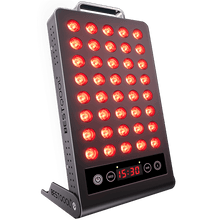
At‑home devices include panels, pads, wraps, beds, caps, and hand‑held wands. Multiple sources, from dermatology departments to pain clinics, note that these consumer devices are generally less powerful, which may mean slower or smaller effects. However, they offer convenience and the ability to build consistent routines without repeated office visits.
This table summarizes key differences for someone considering red light therapy specifically for back pain.
Setting |
Typical devices for back |
Advantages |
Drawbacks |
Medical-grade panels, laser probes, or full-body beds supervised by clinicians |
More consistent dosing, higher power, professional monitoring, integration with physical therapy or injections |
Per-session cost, travel time, limited scheduling, usually not covered by insurance |
|
At-home use |
Panels mounted near a chair, flexible wraps or pads for the lower back, smaller tabletop units |
Convenience, ability to use several times per week, potentially lower cost over time, supports long-term habits |
Lower and variable power, less precise dosing, need to self‑educate on safe use, results may be more modest |
Experts from Brown Health, UCLA Health, and University Hospitals consistently advise that red light devices, whether in clinics or at home, should be used as adjuncts to standard care, not as replacements for proven therapies such as physical therapy, appropriate medications, or necessary procedures.

A Practical At-Home Routine for Sitting-Related Back Pain
Because there is no single “standard protocol” for back pain from sitting, any at‑home routine should be individualized. However, we can draw practical principles from the musculoskeletal pain and athletic recovery research, as well as from guidance shared by major health systems.
First, consider a conversation with a qualified healthcare professional if your back pain is moderate to severe, persistent, or associated with concerning symptoms such as leg weakness, numbness, or changes in bladder or bowel control. Multiple organizations, including Cleveland Clinic and Brown Health, stress the importance of medical evaluation before relying on red light devices for medical conditions.
Once you have ruled out urgent issues, you can think about how to integrate red light therapy.
For many desk workers, a back‑focused routine means positioning a panel or flexible pad so that red and near‑infrared light reach the lower back and sometimes the mid‑back. Pain clinics such as Monarch Medical describe typical musculoskeletal sessions lasting around ten to twenty minutes per treated area. Whole‑body sessions offered at some wellness centers are often longer, sometimes twenty to sixty minutes, as described by practices that use physician‑directed whole‑body light therapy.
Most pain and recovery studies that show benefit use repeated sessions over several weeks. In knee osteoarthritis trials, participants commonly received treatments several times per week for three to four weeks. In other chronic pain research, such as the migraine and fibromyalgia green light trials at the University of Arizona, participants used light daily for ten weeks and often noticed pain relief after about three weeks, with benefits building over time.
At home, that pattern suggests that consistency matters more than a single “marathon” session. Many people find it realistic to start with short, comfortable sessions most days of the week and reassess after a month, rather than expecting dramatic change after a handful of uses.
During sessions, you can use the time to step away from your computer and practice gentle diaphragmatic breathing or light stretching. This does not change the physics of the light, but it aligns with the broader message from pain specialists that effective management is multifactorial. Clinicians at Deeply Vital Medical emphasize that sleep, hydration, electrolyte balance, nutrition, and appropriate exercise are all important alongside any light‑based therapy.
Because back pain from prolonged sitting is tightly linked to how you move, it is wise to pair red light sessions with movement hygiene. That might mean standing up every thirty to sixty minutes, walking for a few minutes, and adding simple strengthening or mobility work prescribed by a physical therapist. Doing this around the time you use red light can help you associate the habit with active self‑care rather than passive treatment.
Finally, track how you feel. Keeping a low‑effort pain and function log for several weeks allows you to notice trends rather than relying on day‑to‑day fluctuations. This mirrors the approach in clinical phototherapy studies, where outcomes are measured at the end of a treatment block rather than after one or two sessions.

Safety, Risks, and Who Should Be Cautious
One of the reasons red light therapy has gained traction is its generally favorable safety profile when used correctly. Cleveland Clinic, MD Anderson, Brown Health, and other major centers all describe red light therapy as noninvasive and low risk in the short term.
That said, “low risk” does not mean “no risk.”
The most consistently highlighted concern is eye safety. MD Anderson and dermatology experts stress that looking directly into intense red or infrared light can damage the retina, which is why clinics use protective goggles. At home, it is wise to avoid staring into light sources and to use appropriate eye protection when treating areas near the face or neck.
Skin reactions are usually mild, such as transient warmth or redness, but very high intensities or overuse can cause burns or irritation. WebMD notes that high light intensities can lead to skin redness and blistering. This is one reason why researchers emphasize that photobiomodulation has a biphasic dose response: low to moderate doses help, while very high doses may be less effective or even counterproductive.
Several organizations recommend talking to a doctor before using red light therapy if you:
Have a history of skin cancer or pre‑cancerous lesions.
Take medications that increase light sensitivity, such as some antibiotics or acne drugs.
Are pregnant or have other conditions where safety data are limited.
Have active skin infections over the area you plan to treat.
For back pain, you should also avoid using red light as a substitute for urgent evaluation when you have red flag symptoms such as sudden severe pain after trauma, significant weakness, or changes in sensation or bladder or bowel control. Light therapy is not designed to address spinal emergencies.
Finally, be cautious about claims. Stanford dermatology experts and major health systems like UCLA Health and Brown Health all caution that marketing for at‑home devices often goes far beyond what evidence supports. Some claims about weight loss, body sculpting, or wide‑ranging “anti‑aging” benefits are not backed by robust trials. That does not mean red light therapy is useless, but it does mean expectations should be grounded in what has actually been studied: modest help for certain skin issues, hair loss, and a promising, still‑developing role in musculoskeletal pain and inflammation.

Pros and Cons of Red Light Therapy for Desk-Related Back Pain
For someone with back pain from prolonged sitting, the balance of benefits and limitations looks something like this.
On the positive side, red light therapy is noninvasive, drug‑free, and generally comfortable. Clinical research in knee osteoarthritis, tendinopathies, fibromyalgia, and non‑specific back and neck pain suggests that low‑level light therapy can reduce pain and improve function, especially when appropriately dosed and combined with exercise or rehabilitation. Practices like Monarch Medical position it as a way to support long‑term pain relief while reducing reliance on medications, including opioids. For desk workers trying to stay sharp and productive without constant pill‑taking, that is appealing.
Light‑based therapies also seem to dovetail with other healthy habits. Studies from sports and physiotherapy fields show that using red or near‑infrared light around training can reduce muscle soreness and speed recovery, allowing for more frequent high‑quality workouts. Translating that to the office world, light therapy may help your back tolerate the demands of the workday while you gradually build strength and resilience through exercise.
On the downside, evidence is still incomplete, particularly for the specific scenario of back pain from prolonged sitting. Many studies are small, short term, and focused on other joints or diagnoses. Protocols vary widely in wavelength, dose, and timing, which makes it hard to translate research directly into at‑home routines. Experts from Cleveland Clinic, Stanford, and Brown Health all emphasize that we do not yet have definitive answers about optimal parameters or long‑term outcomes.
Cost and time are also real considerations. University Hospitals notes that home devices often start around a little under one hundred dollars and can reach into the hundreds or thousands of dollars, while clinic sessions can add up quickly since they are not usually covered by insurance. Because consistent, repeated use is usually needed, the commitment is significant.
Finally, red light therapy does not fix structural problems. If your back pain is driven by severe degenerative changes, significant disc herniations, or spinal instability, light therapy may only scratch the surface. Physicians at University Hospitals are clear that advanced osteoarthritis and true mechanical problems have not been shown to reverse with red light alone.
This comparison table summarizes these trade‑offs in a compact way.
Aspect |
Potential benefits for desk-related back pain |
Important limitations |
Pain and stiffness |
May reduce pain and stiffness in muscles and superficial joints, based on musculoskeletal pain trials |
Effects can be modest and variable; not a guaranteed solution |
Muscle soreness and spasms |
Evidence from sports and spasm research suggests less soreness and improved muscle recovery |
Not all studies show benefit; optimal timing and dose are still being refined |
Inflammation |
Multiple reviews show anti‑inflammatory effects in joints and soft tissues |
Most data come from knees, tendons, and post‑surgical sites rather than desk‑related back pain |
Convenience |
At‑home devices enable regular use without appointments |
Requires discipline and time; correct technique is the user’s responsibility |
Safety |
Generally low risk when used as directed, with mild side effects |
Misuse can irritate skin or harm eyes; safety is less clear in certain medical conditions |
Cost |
May reduce ongoing spending on some therapies if effective for you |
Upfront device cost or repeated clinic fees; usually not covered by insurance |
Thinking about these pros and cons can help you decide whether red light therapy feels like a worthwhile addition to your back‑care plan.

Short FAQ
Can red light therapy replace physical therapy or medication for my back pain?
Current evidence and guidance from major centers are clear that red light therapy should be viewed as a complementary tool, not a replacement for proven treatments. For many people, the best outcomes come when light therapy is combined with active rehabilitation, ergonomic adjustments, movement breaks, and, when appropriate, medications or injections prescribed by a clinician. If you are able to reduce your reliance on pain medication over time, that is a meaningful win, but it should be done under medical guidance.
How long before I might notice a difference?
In chronic pain and phototherapy research, improvements often emerge gradually over weeks rather than overnight. The migraine and fibromyalgia green light trials at the University of Arizona found that participants typically began to notice pain relief after about three weeks, with benefits building over ten weeks. Musculoskeletal photobiomodulation trials often use treatment blocks of three to four weeks. At home, it is reasonable to evaluate your back pain and function after a month of consistent, correctly used sessions, rather than judging the therapy after only a few days.
Is it safe to use red light therapy on my back every day?
For most people, short daily or near‑daily sessions on limited body areas appear to be safe when devices are used exactly as directed, and when skin and eyes are protected. However, because light dosing has a “sweet spot” and more is not always better, it is not wise to dramatically exceed recommended session times or to stack multiple devices for very long periods. If you have medical conditions, take light‑sensitizing medications, are pregnant, or have a history of skin cancer, speak with your healthcare professional before beginning a daily routine.
In the end, red light therapy is best thought of as a supportive ally rather than a magic fix. For many people with back pain from long days at a desk, combining smart ergonomics, regular movement, and a carefully chosen at‑home red light routine offers a gentler, more sustainable path toward relief. If you approach it with realistic expectations, clear guidance, and a willingness to listen to your body, it can become a valuable part of your targeted wellness toolkit.
References
- https://lms-dev.api.berkeley.edu/red-light-therapy-benefits-research
- https://scholarsarchive.byu.edu/cgi/viewcontent.cgi?article=7743&context=etd
- https://digitalcommons.cedarville.edu/cgi/viewcontent.cgi?article=1013&context=education_theses
- https://digitalcommons.gardner-webb.edu/cgi/viewcontent.cgi?article=1026&context=pa-department-journal-of-medical-science
- https://nsuworks.nova.edu/cgi/viewcontent.cgi?article=2599&context=ijahsp
- https://healthsciences.arizona.edu/news/stories/exploring-phototherapy-new-option-manage-chronic-pain
- http://ui.adsabs.harvard.edu/abs/2006SPIE.6140....1H/abstract
- https://pmc.ncbi.nlm.nih.gov/articles/PMC5523874/
- https://aichat.physics.ucla.edu/Download_PDFS/publication/YCvxS1/AriWhittenRedLightTherapyRecommendations.pdf
- https://med.stanford.edu/news/insights/2025/02/red-light-therapy-skin-hair-medical-clinics.html


 Small
Small

 Moderate

 Moderate

 Moderate

 Full
Full

