


Yes, with clear limits. Red light therapy can support chest recovery by influencing cellular energy and inflammatory signaling in tissues it can realistically reach, such as the chest wall and breathing muscles. It is not a replacement for medical care, and it should not be described as treating lung disease. The best results come from realistic expectations, safe dosing, and repeatable placement that stays comfortable.

660nm vs 850nm: Which Wavelength Reaches What in the Chest?
Both 660 nm and 850 nm sit in a tissue “optical window,” yet the chest is a tough target. Skin and soft tissue scatter light, and ribs add another barrier. Home use works best when the goal stays practical: support the chest wall first, then allow any broader signaling effects to follow.
Surface Response at 660 nm
660 nm sits in the visible red range and is often used for targets closer to the surface. On the chest, that can match tenderness after coughing, tightness near the sternum, or soreness that feels close to the skin. If discomfort is mostly in the front chest wall, this wavelength often aligns with that superficial zone.
Deeper Tissue Interaction at 850 nm
850 nm is near-infrared light. Near-infrared tends to travel farther through soft tissue than many shorter wavelengths, so it is commonly chosen to influence deeper layers of muscle and connective tissue. In the chest, that can matter for intercostal muscles and surrounding soft tissue that fatigue during labored breathing, prolonged coughing, or posture guarding.
What Penetration Can and Cannot Mean
“Deeper” is not the same as “straight into the lungs.” Light intensity drops quickly with depth, and bone increases attenuation. That is why claims about directly treating the lungs at home deserve caution. For most people, red light therapy makes the most sense as chest-area support, not a promise of delivering a therapeutic dose to lung tissue.
How Red Light Therapy May Help Calm Chest Inflammation Signals
Chest discomfort after respiratory stress often has an inflammatory component, even when the trigger started as mechanical strain. Photobiomodulation research describes how red and near-infrared exposure can influence oxidative stress signaling and inflammatory mediators after photons are absorbed by cellular targets, especially within mitochondria. That biology is a major reason red light therapy is explored for chest irritation after colds, allergies, or heavy breathing workloads.
Oxidative Stress and Redox Balance
Oxidative stress and inflammation can reinforce each other. Stressed tissue may linger in a state where reactive species and inflammatory messages stay elevated. Photobiomodulation is frequently described as nudging that redox environment toward balance. The goal is modulation, not forcing inflammation to “shut off.”
Cytokine Signaling in Respiratory Stress
Some of the clearest inflammation data comes from preclinical respiratory models. In animal and laboratory settings, researchers have reported shifts in inflammatory markers after light exposure, including reductions in cytokines associated with acute inflammatory responses. That supports biological plausibility for inflammation modulation in pulmonary inflammation pathways, although it does not guarantee the same outcomes for every home user.
What the Evidence Supports Today
A careful takeaway is that photobiomodulation has credible mechanisms that may support a healthier inflammatory response, and respiratory-focused research remains active. For home use, the safest framing is supportive care for chest comfort and recovery, alongside the fundamentals that drive healing: sleep, hydration, and medical evaluation when symptoms point to infection or another condition needing treatment.
ATP, Mitochondria, and Tissue Repair: What Light Can Trigger
When breathing feels harder, the chest wall often works harder too. Coughing, shallow breathing, and returning to training can leave breathing muscles fatigued and sore. Photobiomodulation discussions focus on mitochondria because they regulate ATP production, and ATP fuels many repair processes that help tissue recover after strain.
Mitochondrial Signaling and ATP
A commonly described mechanism in red light therapy is mitochondrial photoactivation. When cells absorb red or near-infrared photons, mitochondrial function can shift in ways linked to ATP availability and cellular signaling. In reachable chest-wall tissue, that can align with smoother recovery and less “worked” feeling after respiratory strain.
Nitric Oxide and Microcirculation
Circulation supports repair. Nitric oxide signaling is frequently discussed in photobiomodulation because it relates to blood vessel function and local blood flow regulation. Better microcirculation support can matter in the chest wall because irritated muscles and connective tissue benefit from oxygen and nutrient delivery during the recovery cycle.
How This Relates to Chest Recovery
These mechanisms map to common complaints: tightness across the chest after a cough-heavy week, soreness between the ribs, or a sense that breathing muscles tire easily. The most realistic target is supporting the tissues that move the rib cage, not making claims about regenerating lung tissue.
Where to Aim the Light for Chest Support
Placement is where many people lose time. Focusing only on the front chest can miss a major driver of discomfort: the upper back and posture muscles that stabilize the rib cage. Front-and-back coverage often feels more complete for chest wall recovery, especially when breathing has been guarded for days.
Front Chest Coverage
Aim the light toward the midline chest and the nearby pectoral region. Keep the beam directed at the chest wall and away from the face. A relaxed posture helps the ribs move naturally. If you notice shoulder tension or breath holding, change your stance or sit farther back.
Upper Back Coverage
The area between the shoulder blades overlays muscles that often tighten during guarded breathing. Forward-shoulder posture can amplify the sensation of chest tightness, so upper back exposure can be a useful complement to front coverage. Gentle, slow breathing tends to pair best with this position.
Comfort Checks During Sessions
A quick check prevents overdoing it. Mild warmth is common. Sharp heat, burning, or skin irritation later the same day signals that the dose needs adjustment.
Common corrections that improve comfort and consistency:
- Keep the light off your eyes and follow your device’s eye protection guidance.
- Avoid hot spots by using a comfortable distance and staying still.
- Spread exposure across the front and upper back instead of focusing on one small area.

Safe Home Use: Distance, Session Time, and When to Avoid Treatment
Good dosing is less about intensity and more about discipline, since red light therapy follows a dose-response pattern that rewards restraint. Photobiomodulation literature describes a biphasic dose response, where lower doses can be helpful while higher doses can lead to weaker effects or irritation. That matters for chest sessions because worrying about breathing comfort can tempt people to extend time too far.
Distance and Time as Dose Controls
Distance and session time work together. Closer distance usually means higher irradiance at the skin, so time can often be shorter. Farther distance reduces irradiance, so the time may need to be longer to reach a similar dose. Device output varies, so treat product instructions as the anchor and adjust based on tolerance.
Practical Parameters
As one concrete example, a clearly labeled panel like Bestqool’s Pro200 lists 660 nm and 850 nm and suggests at about 6 inches: 15 to 25 minutes for skin-level goals and 40 to 50 minutes for deeper tissue goals, with a longer time suggested if the distance increases. Use those numbers for initial sessions, then adjust conservatively based on comfort.
Simple habits that reduce setbacks:
- Keep the distance consistent for a full week before changing time.
- Increase session time in small steps, then hold steady again.
- If irritation shows up, reduce time first, then increase distance.
When to Skip a Session and Call a Clinician
Home tools are not appropriate for serious or rapidly worsening symptoms. Seek medical evaluation for:
- New or worsening shortness of breath at rest
- Chest pain, faintness, bluish lips, or confusion
- High fever, coughing blood, or symptoms that escalate quickly
Extra caution also makes sense during pregnancy, when there is a history of cancer in the area being treated, or when a clinician has advised avoiding light exposure over specific regions. Eye safety matters every time.
Start a Simple Weekly Routine for Ongoing Respiratory Support
Consistency produces clearer feedback than occasional use. Regular, conservative sessions help you notice what feels better, what irritates the skin, and how your chest feels later in the day. The main themes stay simple: 660 nm and 850 nm support complementary depth targets in reachable tissue, front-and-back placement improves coverage, and dose discipline protects your progress. Safety boundaries stay non-negotiable. With realistic expectations, red light therapy can fit into a supportive at-home plan for chest recovery without drifting into unrealistic claims.
FAQs
Q1: Can I Use Red Light Therapy Over Clothing?
It depends. Some thin, light fabrics may let a portion of red/NIR light through, but the delivered dose becomes lower and less predictable. For consistent results, expose the treatment area when possible. If privacy matters, uncover only the target zone and keep other areas loosely covered. Expect to adjust the time only if your device guidance supports it.
Q2: Does Skin Tone or a Chest Tattoo Change Results?
Yes. Melanin and tattoo pigments absorb light, which can reduce how much light reaches deeper layers and can increase surface warming. Keep sessions comfortable and watch for heat buildup. Many people do well by increasing distance slightly and keeping exposure even across the area rather than lingering on one spot. A small test area can reveal tolerance quickly.
Q3: Can I Use It If I Take Photosensitizing Medications or Use Retinoids?
Only with medical clearance. Some oral medications and topical products increase photosensitivity, raising the chance of redness or irritation even with non-UV light sources. Bring your medication list to a clinician or pharmacist and ask specifically about light sensitivity. If approved, keep sessions conservative and stop if you see persistent redness, itching, or burning.
Q4: How Soon Should I Expect to Notice a Difference in Chest Comfort?
It varies. You might feel immediate warmth or relaxation, but reliable changes typically require repeated sessions over several weeks, and timelines depend on the condition being studied. Published protocols commonly run 4–6+ weeks with multiple sessions per week, and consumer-facing medical summaries also emphasize that guidelines are not definitive and consistency is the key variable. For chest support, track one simple marker weekly.
Q5: Can I Combine Red Light Therapy With Steam, Sauna, or Hot Showers?
Yes, with spacing. Heat can amplify skin sensitivity and make it harder to judge dose tolerance. Use one modality, let your skin return to normal temperature, then use the other later. Hydration matters, especially after a sauna or steam. If your skin flushes easily, keep light sessions shorter on heat-heavy days to avoid irritation.


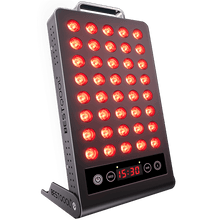
 Small
Small
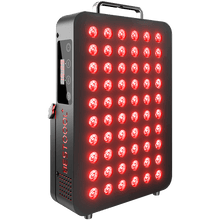
 Moderate
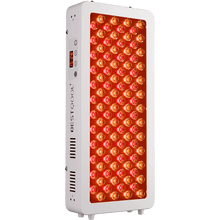
 Moderate

 Moderate
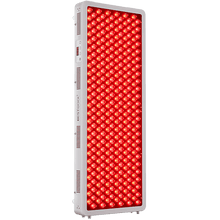
 Full
Full


