


Finding a product that offers red light therapy may prove to be difficult. While one company will focus on the power of the device, another may emphasize its wavelengths, and a third one may use the term "medical-grade" but fail to elaborate on its meaning. For a quality, dependable product to be used at home, the best approach is to consider the practical aspects of the product.
An effective product should meet the individual's needs, be user-friendly, and be made by a company that provides sufficient technical details. Whatever an individual's purpose for using red light therapy, becoming familiar with key facts can make finding a product easier.

What Does Medical Grade Mean for Red Light Therapy Devices
The use of the phrase "medical-grade" for home-use red light therapy devices may be somewhat ambiguous. Generally speaking, it refers to a higher quality of the manufacturing process, reliability, and safety of use. However, the latter must not be used to substitute full information on the product characteristics.
When selecting a product, it is essential to review the manufacturer's specifications. For example, a reputable seller will provide detailed information on the wavelength(s), irradiance at a specified distance, treatment protocol, and safety features. It may also refer to FDA-cleared light therapy devices, provided the information relates to a particular purpose.[1] The following are common traits of reliable devices:
- Consistency of light emissions instead of ambiguous advertising
- Use of durable material and sturdy construction
- Full information about the product and safety features
- Detailed instructions on using the device and recommended exposure time
To put it simply, a medical-grade device is expected to be reliable in its design and characteristics. Therefore, if a brand focuses on marketing its product but fails to provide detailed information, there may be grounds for suspicion.
Wavelengths That Matter for Skin, Muscles, and Deeper Tissue Support
The common wavelength range of skin therapy is visible red light at 630-660 nm. In 2021, researchers reported in the journal Scientific Reports that red light promoted the expression of fibroblast genes, thereby promoting optimal collagen alignment and minimizing fibrosis.[2] Additionally, an article in JAMA Dermatology shows that red/NIR light can promote the production of collagen, elastin, and hyaluronic acid.
In the instance where treatment is required at greater depths of tissues, then the use of near-infrared light within the range of 850 to 940 nm is encouraged, since it can penetrate deeper into the body, hence improving muscle endurance.[3] A recent 2024 meta-analysis of randomized controlled trials published in PubMed Central found that PBM improves muscle performance and reduces soreness.[4]
All of these examples show just how important it is to choose the right wavelength, which plays a major role in determining the treatment's success rate. The use of devices that emit red and infrared wavelengths ensures clients achieve proven results from the energy they generate. Red light affects the production of collagen in the skin, making it look refreshed and improving its texture. Infrared light, on the other hand, helps with healing and joint flexibility.
Irradiance, Coverage, and Treatment Distance in Plain English
Energy (mW/cm²) regulates the quantity of energy absorbed by the body tissue. The scientific literature mentions a phenomenon known as biphasic dose-response; if there is not enough energy delivered to the tissue, then no effect is observed, but too much energy may be counterproductive.[5]
The manufacturer must always specify irradiance at a certain distance from the treatment site. If, for instance, an LED panel radiates 50 mW/cm² from 20 cm for 200 seconds, it will produce ~10 J/cm², which corresponds to the clinically approved values for topical exposure to the skin.
In choosing a red light therapy machine, the size of the panel becomes as significant as the power of that device. Small LED light panels are ideal for focusing on specific areas, especially the face or neck. Conversely, large light panels can help you target larger areas such as the back, shoulders, or legs, allowing you to make more efficient use of your time. For someone looking to treat their face with light therapy, a small, ergonomically designed panel is the way to go.
Why Low Flicker, Low EMF, and Heat Control Matter
However, user comfort plays an equally essential role in determining the effectiveness of any such red light therapy product. As shown by an analysis in the Forum Dermatologicum in 2026, it was established that low-flicker LED technology prevents eye fatigue, while low electromagnetic field (EMF) exposure increases the patient’s comfort level.[6] The use of technology that keeps electromagnetic fields at bay is also necessary for patient comfort, because high levels of EMF can create anxiety, even when safety standards are not exceeded. The warmth level of the treatment is important as well, as sessions should be comfortably warm but not hot.
Aside from the above comfort factors, the issue of usability is an essential element when determining whether or not patients will remain on a therapy program long-term. Devices using low flicker LEDs provide a more relaxed experience, while low EMF emissions give assurance for those wary about exposure to electronic energy. Another factor that must not be overlooked is temperature control: warm temperatures are associated with relaxation, while overheating will drive away potential users.
How to Match Device Specs With Your Main Use Case
The best way to narrow your options is to consider your end purpose. This way, you will be able to avoid investing in unnecessary components while ensuring the functionality of the unit meets your daily needs.
- If you are concerned about skin appearance and anti-aging: Choose powerful red light wavelengths like 630nm and 660nm, suitable facial coverage, and an ergonomic design for consistent use.
BestQool BQ60 – a small but efficient device for improved skin and facial treatment.
- If you need muscle recovery and joint pain relief: Consider devices that emit near-infrared light at 850nm or 940nm, with high irradiance and an adequate panel area for wide coverage.
BestQool BQ150 – mid-body panel that offers both portability and large surface area coverage.
- If you want a full body treatment: Larger panels or modularity using red and infrared lights provide deeper treatments and greater efficiency.
BestQool Pro200 – full-body panel for comprehensive wellness and relaxation.
It is also helpful to consider your daily schedule and activities. Sometimes, having a smaller panel and using it regularly might provide more benefits than a bulky machine that you may find hard to use regularly.

Choose a Medical Grade Red Light Therapy Device by Practical Specs, Not Hype
Ultimately, the best purchasing decision will result from disregarding all of the hype surrounding the product and concentrating on what truly influences its effectiveness. Wattage is less important than the wavelengths used, irradiance at a given distance, coverage area, and additional safety features.
Remember to concentrate first on these aspects:
- Wavelengths of 630nm, 660nm, 850nm, and 940nm
- Irradiance readings that clearly state irradiance at a certain distance
- Coverage area compatible with your treatment needs
- Safety factors like low flickering frequency, minimal EMF radiation, and controlled heating
- Clear instructions, excellent customer support, and sufficient warranty details
With all of these practical aspects in mind, Bestqool designs its machines. You will find a variety of products that cater to both specific treatment sessions and overall health maintenance routines. For those looking for a home panel comparison, explore the Bestqool red light therapy collection.
References
[1] American Academy of Dermatology Association. (2024). Is Red Light Therapy Right for Your Skin?.
[2] Austin, E., Koo, E., Merleev, A. et al. Transcriptome analysis of human dermal fibroblasts following red light phototherapy. Sci Rep 11, 7315 (2021).
[3] Nascimento APD, Silva AVD, Casonatto J, Aguiar AF. A Meta-Analysis of Randomized Controlled Trials on the Effects of Photobiomodulation Therapy on Running Performance. Int J Exerc Sci. 2024 Mar 1;17(4):327-342. doi: 10.70252/BUWB9550. PMID: 38665862; PMCID: PMC11042871.
[4] Tsou YA, Chang NJ, Chang WD. Effects of Photomodulation Therapy for Delayed Onset Muscle Soreness: A Systematic Review and Meta-Analysis. J Funct Morphol Kinesiol. 2025 Jul 17;10(3):277. doi: 10.3390/jfmk10030277. PMID: 40700213; PMCID: PMC12286287.
[5] Huang YY, Chen AC, Carroll JD, Hamblin MR. Biphasic dose response in low-level light therapy. Dose Response. 2009 Sep 1;7(4):358-83. doi: 10.2203/dose-response.09-027.Hamblin. PMID: 20011653; PMCID: PMC2790317.
[6] Julia Maria Koperdowska, Julia Antonina Broen. (2026). Light-emitting diode photobiomodulation in dermatology: From professional systems to consumer devices — mechanisms, efficacy and safety. DOI: 10.5603/fd.111321


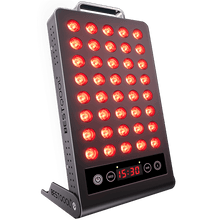
 Small
Small
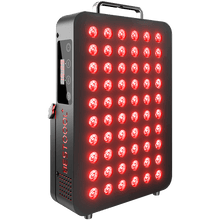
 Moderate
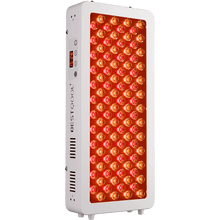
 Moderate

 Moderate
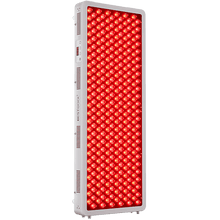
 Full
Full


