
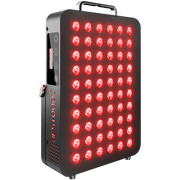

If you have been looking for red light therapy (RLT) devices online, you must have come across phrases like "FDA cleared" and "FDA approved". These terms sound identical to most buyers. But are they really the same? And what do they actually mean?
The fact is that although both terms relate to the U.S. Food and Drug Administration, they are not interchangeable. Being aware of the difference between FDA-cleared and FDA-approved can help you make a smarter, safer decision when choosing a red light therapy device for home use.
This article provides a clear explanation of what FDA-cleared and FDA-approved actually mean and how to tell them apart to help you make informed choices.

Why So Many Buyers Confuse FDA Cleared and FDA Approved
Most consumers assume that the term “FDA approved” is the gold standard for all medical and wellness products. When they see a red light device labeled as “FDA cleared”, they think it means the same thing.
But in reality, these terms are used by the FDA to refer to different regulatory pathways.
FDA approval is typically reserved for high-risk medical products such as prescription medications, implants, and complex medical devices, which require extensive clinical testing before they are made available for use by patients. [1]
The term FDA clearance, on the other hand, is typically used to refer to lower-risk medical devices. So, when a product, such as a red light device, is labeled as FDA-cleared, it means it is substantially similar to another legally marketed device. [2]
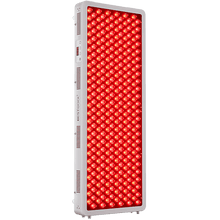
Red light therapy works by delivering red and near-infrared wavelengths, typically between 630 nm and 850 nm, to stimulate the functions of mitochondria and enhance the production of energy in the cells.
Red light offers several benefits, such as reducing the signs of aging, increasing energy levels, promoting cellular repair, and reducing inflammation. [3]
If a red light therapy device is labeled “FDA cleared”, it means it has gone through a regulatory review process and is expected to provide the benefits associated with red and near-infrared wavelengths. However, it has not gone through the same level of review needed for FDA-approved drugs or implants.
What FDA Cleared Usually Means for Home Red Light Devices
Most reputable red light therapy devices designed for use at home are marketed as FDA-cleared rather than FDA-approved. This is normal for the RLT device category and does not automatically indicate poor quality.
Understanding what the clearance process entails and what it actually represents can help you put this label into context.
FDA clearance for an RLT device generally suggests that the manufacturer has demonstrated that the device is reasonably safe to use and comparable to an existing product with similar intended benefits.
The clearance process typically evaluates factors, such as:
- Manufacturing standards
- Electrical safety
- Intended use
- Light output parameters
- Basic risk assessment
It is important to note that the term FDA-cleared does not mean that the FDA guarantees the results or benefits or endorses marketing claims. This, instead, means the device meets certain safety and regulatory requirements for the RLT device category.

Why FDA Approved Is Much Less Common in This Category
It is common for buyers to search specifically for “FDA-approved red light therapy devices” because they assume that FDA approval automatically means the device is higher quality. However, FDA approval is relatively uncommon for most wellness tools, including photobiomodulation products, simply because they are not classified as high-risk medical devices.
Also, FDA approval usually requires extensive clinical trials aimed at proving the effectiveness of the product for a specific medical condition. This process is expensive and time-consuming, and is, therefore, reserved for products carrying higher levels of medical risk.
Since most red light therapy devices intended for at-home use are considered low- to moderate-risk wellness tools, manufacturers typically pursue FDA clearance rather than full approval.
Which Claims and Documents You Should Check Before Buying
If a company claims its device is FDA cleared, check if they provide:
- Wavelength information
- A 510(k) clearance number
- Safety certifications
- Clear intended-use language
- Technical specifications
These specifications provide clarity on the quality, safety, and effectiveness of the product. [4]
At the same time, remember that some manufacturers may use misleading information with vague terms and phrases such as:
- “FDA registered”
- “FDA certified”
- “Approved technology”
These terms do not necessarily mean that the device has been reviewed and cleared by the FDA. It is important to be aware of the correct use of these regulatory terms so that you can make the right choice.
How to Judge Safety and Credibility Beyond a Regulatory Label
A regulatory label alone does not guarantee the effectiveness or quality of a product. Also, two FDA-cleared devices may still vary greatly in quality, safety, and reliability. Hence, it is advisable to evaluate the product as a whole and make your buying decision based on its features and specifications.
Here are some parameters to consider when comparing different red light therapy devices:
- Wavelength range
- Build quality
- Irradiance or power output
- Flicker-free performance
- Heat management
- Transparent testing data
- Brand reputation
- Customer support and warranty
In addition, you can read user reviews and look for companies that provide educational resources to help you identify brands that prioritize safety and honesty.
Use Regulatory Terms Correctly Before You Choose a Device
The terms FDA cleared and FDA approved may sound similar. However, they represent different regulatory pathways. Understanding the difference can help you become an informed consumer and prevent unnecessary confusion when comparing products.
For red light therapy devices, FDA clearance is the standard. It does not automatically mean a product is inferior, but suggests that the device is generally appropriate for at-home use. Also, the term FDA-approved is much less common in this category and applies to a different regulatory process.
Knowing these distinctions can allow you to evaluate products correctly and avoid misleading marketing.
It is also important to remember that the best device is one that combines safety, transparency, and practical usability. Also, the effectiveness of the therapy depends not only on regulatory classification but also on factors like wavelength delivery, adequate power density, consistent use, and appropriate treatment protocols. Understanding this helps shift the focus away from confusing terminology and toward what actually influences your experience and results.
Check this link to find out the best RLT devices available for you.
References:
- Nygaard I. (2008). What does "FDA Approved" mean for medical devices?. Obstetrics and Gynecology, 111(1), 4–6.
- Van Norman G. A. (2016). Drugs, Devices, and the FDA: Part 2: An Overview of Approval Processes: FDA Approval of Medical Devices. JACC. Basic to translational science, 1(4), 277–287.
- Couturaud, V., Le Fur, M., Pelletier, M., & Granotier, F. (2023). Reverse skin aging signs by red light photobiomodulation. Skin research and technology: official journal of International Society for Bioengineering and the Skin (ISBS) [and] International Society for Digital Imaging of Skin (ISDIS) [and] International Society for Skin Imaging (ISSI), 29(7), e13391.
- Institute of Medicine (US) Committee on the Public Health Effectiveness of the FDA 510(k) Clearance Process; Wizemann T, editor. Public Health Effectiveness of the FDA 510(k) Clearance Process: Balancing Patient Safety and Innovation: Workshop Report. Washington (DC): National Academies Press (US); 2010.


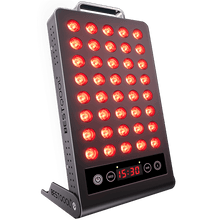
 Small
Small
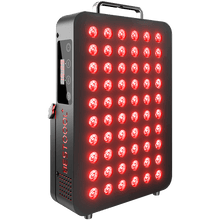
 Moderate
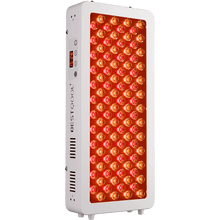
 Moderate

 Moderate
 Full
Full


