
Why Create a Dedicated Red Light Therapy Space at Home
The benefits of red light therapy (RLT) increase substantially when it is used consistently. However, maintaining consistency is often hard, especially when your RLT setup is uncomfortable or inconvenient to use. If you have to constantly move your device, adjust furniture, or squeeze sessions into random moments, you might end up skipping your sessions frequently without even realizing it.
Creating a dedicated red light therapy space removes friction from your routine. When you have everything already in place, your sessions feel effortless, and that’s when results start to add up.
This article guides you on setting up an effective home space to help you stick to a consistent RLT routine and see and maintain the intended results.
The Key to Consistency and Better Results
A dedicated space serves as a visual reminder to use your RLT device and helps anchor the habit into your routine. It also ensures your sessions are more comfortable and safer, allowing you to focus on relaxing rather than adjusting equipment every time.

First Things First: Choosing Your At-Home Device
Red light therapy (RLT) offers multiple benefits, including younger-looking skin, lower inflammation, skin rejuvenation, relief from joint pain, and increased energy levels. Check this link to find out the benefits of RLT. [1]
There are different types of RLT devices available to help you achieve the desired benefits. Each of these requires a different setup. Also, not every device is designed for the same purpose or body area. Hence, it’s important to understand what kind of red light therapy device you are working with before setting up a space.
Understanding Panels, Wraps, and Targeted Belts
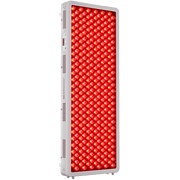
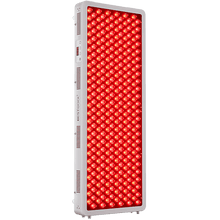
Full-size RLT panels are suitable for treating large areas or the whole body. They usually require a stable wall mount or stand. A bit of open space in front of them can be an advantage. Check this link to find out how RLT works. [2]
Wraps and belts, on the other hand, are more portable and designed for targeted areas such as the knees, lower back, or shoulders. These devices don’t need a permanent setup. You can easily use these on a couch or bed. Check this link to find out the benefits of RLT for pain relief. [3]
Smaller handheld or tabletop devices are suitable for treatments on smaller areas such as the face and joints. These are easy to integrate into your existing room without much rearranging.
These devices use specific wavelengths of red and near-infrared light, typically between 630 nm and 850 nm. These wavelengths enable deeper penetration of light into the affected tissues, allowing it to reach the mitochondria. Check this link to find out how the wavelength influences the effect of light. [4]
Red light is absorbed by mitochondria within skin cells. This absorption triggers increased energy production and supports repair and regeneration. Check this link to learn how RLT supports energy production. [5]
How to Find the Perfect Spot in Your Home
Once you have chosen the right device, the next step is to decide where to keep it. The space doesn’t need to be large or fancy. Rather, it just needs to work for you, mainly by balancing privacy, comfort, and convenience.
Prioritizing Privacy, Comfort, and Convenience
Most people prefer bedrooms, home offices, and quiet corners of a living room to station their RLT devices. Privacy helps you relax, especially if sessions involve exposing skin or lying down.
Comfort is another parameter that cannot be ignored. It is advisable to choose a spot where you can sit or stand comfortably for 10 to 20 minutes without feeling rushed or cramped.
Most importantly, keeping your device too far out of the way can increase the chances of you skipping sessions. So, make sure the space is convenient for you so that you don't miss your sessions.
Setting Up Your Device for Safety and Stability
A safe setup can protect you and your device. Wobbly stands, unstable furniture, and awkward placements can lead to discomfort and increase the chances of damage.
Securing your setup can pay off in peace of mind and comfort during sessions, helping you achieve better results.
Exploring Stands, Mounts, and Secure Placement
Here are some examples of how to secure a placement for your RLT device:
- Wall-mounted panels offer excellent stability and save floor space. However, they require careful installation. If drilling is not an option, a freestanding stand may be used for easier repositioning.
- Small devices can be placed on tables or surfaces that are sturdy and heat-resistant.
- Wraps and belts should preferably be positioned snugly but comfortably, without cutting off circulation.
- Finally, irrespective of the type of device, you must make sure the cords are out of walkways to prevent tripping and double-check that ventilation areas on the device are not blocked.
The Importance of Distance for Effective Treatment
Distance plays a crucial role in influencing how much light reaches your body. Standing too close to the device may cause discomfort, while standing too far away may reduce effectiveness.
Placing the device at the right distance is therefore important to achieve consistent results without the risk of side effects.
How Far Should You Be From Your Device?
Most red light therapy panels are designed to be used at a distance of 6 to 12 inches. Some recommend maintaining a distance of up to 18 inches.
Closer distances deliver higher intensity, while slightly farther distances provide more even coverage. The goal should be comfortable exposure that feels warm or neutral, without causing irritation or a feeling of excessive heat.
You can check the manufacturer’s guidelines to find out the optimal distance suitable for your device.

How Long Should Your Red Light Therapy Sessions Be
The answer depends on your goals, your device, and your consistency. Also, it is important to remember that longer sessions do not always mean better results.
A General Guide for Session Time and Frequency
For most people, sessions of 10 to 20 minutes per area work well. Facial treatments may be shorter, while larger muscle groups or joints typically benefit from the full 20 minutes.
It is generally advisable to use the RLT device 3 to 5 times per week. You may use it daily. However, it’s important to listen to your body and avoid overuse.
Your Pre-Therapy Checklist for Optimal Results
A little preparation can significantly improve the quality of your sessions. Here's a checklist to help you achieve optimal results. You can think of this as setting the stage before you turn the device on.
What to Do Before You Power On
- Make sure the skin you are treating is clean and free from lotions, oils, or heavy products that could block light.
- Remove jewelry from the area.
- Wear comfortable clothing or none, depending on the treatment location.
- Adjust your seating or stance
- Set a timer so you don’t have to watch the clock during your session.
Making Your Red Light Therapy a Daily Habit
The benefits of RLT build gradually. Hence, consistency is where red light therapy truly shines. Regular use makes a noticeable difference over time.
Tips for Creating a Relaxing Ritual
Here are some tips to help you maintain consistency and turn your sessions into a ritual rather than a chore:
- Pair your sessions with something calming, such as soft music, a podcast, or deep breathing.
- Consider scheduling your sessions in the mornings to energize your day or in the evening if your goal is to relax and unwind.
- Schedule sessions at the same time each day or week to build routine and make it feel like a natural part of your lifestyle.
Your Blueprint for a Successful At-Home Experience
Setting up an effective red light therapy space at home does not require expensive accessories or major renovations. It simply requires thoughtful planning, safety awareness, and a focus on comfort.
When your space is comfortable and easy to use, maintaining consistency becomes easier, eventually leading to real, lasting benefits. A comfortable and convenient setup can also make red light therapy a sustainable habit that supports your health over time.
Check this link to find out the types of RLT devices available to you as your first step toward a healthier lifestyle. Choosing the right device, creating a comfortable space, and building a routine you enjoy will give you the best chance to experience everything red light therapy has to offer, right from the comfort of your home.
References:
- Hernández-Bule, M. L., Naharro-Rodríguez, J., Bacci, S., & Fernández-Guarino, M. (2024). Unlocking the Power of Light on the Skin: A Comprehensive Review on Photobiomodulation. International journal of molecular sciences, 25(8), 4483.
- Wunsch, A., & Matuschka, K. (2014). A controlled trial to determine the efficacy of red and near-infrared light treatment in patient satisfaction, reduction of fine lines, wrinkles, skin roughness, and intradermal collagen density increase. Photomedicine and laser surgery, 32(2), 93–100.
- Gale, G. D., Rothbart, P. J., & Li, Y. (2006). Infrared therapy for chronic low back pain: a randomized, controlled trial. Pain research & management, 11(3), 193–196.
- Ash, C., Dubec, M., Donne, K., & Bashford, T. (2017). Effect of wavelength and beam width on penetration in light-tissue interaction using computational methods. Lasers in medical science, 32(8), 1909–1918.
- Begum, R., Calaza, K., Kam, J. H., Salt, T. E., Hogg, C., & Jeffery, G. (2015). Near-infrared light increases ATP, extends lifespan, and improves mobility in aged Drosophila melanogaster. Biology letters, 11(3), 20150073.


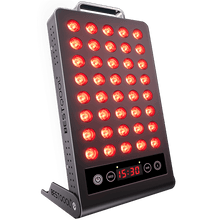
 Small
Small
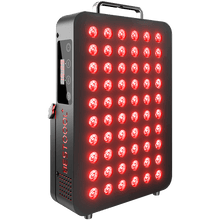
 Moderate
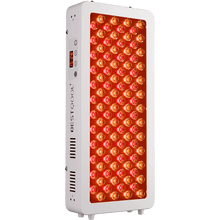
 Moderate

 Moderate
 Full
Full


