
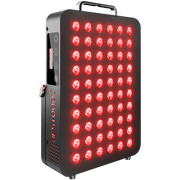

If you're looking into red light therapy, you've probably noticed there are two main types of devices: red light therapy panels and face masks. Both use the same technology, but they're designed for completely different purposes. So which one should you actually buy?
Let's break down everything you need to know to make the right choice for your goals and budget.

Red Light Panel vs. Mask: Side-by-Side Comparison
Here's how these two devices stack up against each other:
| Feature | Red Light Panel | Red Light Mask |
|---|---|---|
| Treatment Area | Full body or large targeted areas | Face and neck only |
| Typical Size | 12x8" to 36x24"+ | One size fits most faces |
| Session Time | 10-20 minutes | 10-20 minutes |
| Distance from Skin | 6-12 inches away | Direct contact with skin |
| Portability | Usually stationary, some are heavy | Highly portable, easy to store |
| Multitasking | Need to stand/sit still | Can move around, do other tasks |
Price Range: What to Expect to Pay
Budget red light panels start around $100-200 for small sizes, but they often have lower light output. Mid-range panels cost $300-600 and offer better quality and power. Professional-grade panels can run $800-2000 or more.
Quality face masks typically range from $150-400. You can find cheaper options for $50-100, but they may not have the right wavelengths or sufficient power. Premium masks with additional features like different light colors can cost $400-600.
Portability and Storage Considerations
Panels need dedicated space. Small ones can lean against a wall, but larger panels might need a stand or permanent mounting. Red light therapy masks fold up and fit in a drawer, making them perfect for small apartments or travel.
Red Light Therapy Panels Explained
How Red Light Therapy Panels Work
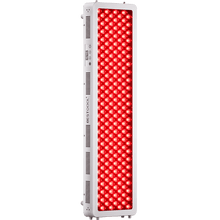
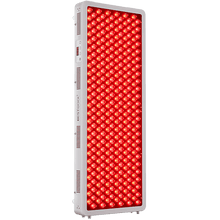
Panels are flat devices covered with dozens or even hundreds of LED bulbs. They're designed to treat larger areas of your body at once. You typically stand or sit in front of them for 10-20 minutes per session.
Full-Body vs. Targeted Panel Sizes
Panels come in different sizes:
- Small panels (12x8 inches): Good for targeted areas like knees or elbows, more affordable
- Medium panels (24x16 inches): Can treat your face, back, or torso
- Large panels (36x24 inches or bigger): For full-body treatment, but they're pricey
Best Uses for Red Light Therapy Panels
Panels work well for treating muscle soreness after workouts, chronic pain in large areas like your back, joint inflammation, and full-body skin concerns. They're also popular with athletes for recovery and people dealing with conditions like arthritis.

Red Light Therapy Masks: What You Need to Know
How LED Face Masks Deliver Red Light Therapy
Red light therapy masks are wearable devices that fit over your face like a helmet. They have LEDs positioned on the inside to deliver red light directly to your facial skin. Most red light therapy sessions last 10-20 minutes, and you can relax, watch TV, or even work while wearing them.
Full-Face vs. Partial Coverage Mask Styles
Red light masks come in different sizes:
- Full-face masks: Cover everything from your forehead to your neck for complete facial treatment
- Half-face masks: Focus on either the lower face or upper face only, a more targeted approach
- Neck-specific masks: Designed for treating the décolletage area with red light therapy
Best Uses for Red Light Therapy Masks
Red light therapy masks work well for treating fine lines and wrinkles, acne and breakouts, uneven skin tone and hyperpigmentation, redness and inflammation, and overall skin texture and firmness. They're popular for daily facial skincare routines and can complement your existing products.
Which Device Is Better for Your Specific Goals?
1. Best for Anti-Aging and Wrinkle Reduction
For facial anti-aging, red light therapy masks have the advantage. They deliver consistent red light directly to your skin without you having to worry about maintaining the right distance. The close contact ensures you're getting the full dose of light therapy. That said, you can absolutely use a red light panel for your face—you'll just need to sit still for the session.
2. Best for Acne and Skin Inflammation
Both red light therapy devices can help with acne, but masks are more convenient for this purpose. Since acne treatment requires regular red light sessions (often daily), the ease of just putting on a mask makes it more likely you'll stick with your routine.
3. Best for Muscle Recovery and Joint Pain
Red light therapy panels win here. If you're dealing with sore muscles, back pain, or joint issues, you need the deeper penetration and larger treatment area that red light panels provide. A mask simply can't deliver red light therapy to your knee, shoulder, or back effectively.
4. Best for Hair Growth and Scalp Health
For hair growth, you'll want a red light therapy panel positioned above your head, or a specialized red light cap designed for this purpose. Regular face masks don't cover your scalp effectively enough for red light therapy.
5. Best for Overall Wellness and Energy
If you're using red light therapy for general wellness benefits like better sleep or increased energy, a panel gives you more versatility. You can treat your whole body, which some people find more effective for systemic benefits.
Can You Use Panels for Facial Treatments?
Yes, you can definitely use a panel for facial treatments. The pros include getting the same benefit from the light therapy, treating your face and neck simultaneously, and not having to spend any more money since you already have the panel.
The downsides are that it requires you to remain stationary and hold the correct distance (normally 6-12 inches), which can make it less relaxing because you can't move around, and it can be easier to end up with spotty coverage if you're not careful about placement.
Do Masks Work for Body Treatment?
No, red light therapy masks don't work for body treatment. The masks are designed for the face and cannot effectively cover any other part of the body. You would have to buy several masks for even a small area, such as your knee, which does not even make any economic sense. The light's intensity is designed for the sensitive skin on your face, not for the thicker skin on your body. For red light therapy to address any body issues, a red light therapy panel is the better choice.
Safety Considerations: Red Light Panels vs. Masks
Eye Safety and Protection Guidelines
| Safety Aspect | Red Light Panel | Red Light Mask |
|---|---|---|
| Eye Protection Needed | Close your eyes or look away during facial treatments | Most quality masks have built-in eye shields or cutouts |
| Risk Level | Low if you don't stare directly at LEDs | Very low with proper eye protection |
| Best Practice | Position panel so LEDs aren't at eye level | Verify your mask has eye protection before buying |
Skin Sensitivity and Session Duration
Start with 5-10 minute sessions and gradually increase. Temporary redness is normal, but lasting irritation means you need to dial back. Don't exceed recommended times—more exposure doesn't equal better results.
Who Should Avoid Red Light Therapy?
Talk to your doctor first if you're pregnant, taking medications that increase light sensitivity (certain antibiotics, acne meds, or anti-inflammatories), have active skin cancer or a history of melanoma, or have light-triggered epilepsy.
How to Choose the Right Device: Key Buying Factors
Budget: Entry-Level to Professional-Grade Options
Don't buy the cheapest option. A $30 device without proper wavelengths is wasted money. Budget $100-400 for a quality mask or $100-600 for a decent panel. If money is tight, get a good mask first—it's more affordable and you'll actually see results.
Space and Usage: Where Will You Use It?
Panels need wall space or a stand. If you don't have room for a 2-foot device or can't dedicate a corner for treatments, get a mask. It fits in a drawer and you can use it anywhere. Choose the device that fits your actual living space, not the one you wish you had room for.
Quality Indicators: What to Look for in LED Devices
Look for these specs: 630-660nm (red) and 810-850nm (near-infrared) wavelengths, at least 50-100 mW/cm² irradiance at the recommended distance, and third-party testing results. If a company won't share these numbers or only gives vague claims, skip it.
Warranty and Customer Support
Minimum 1-year warranty, but 2-3 years is better. Read recent customer reviews about the company's responsiveness. A device that breaks with no support is worthless, no matter how good the specs are.
Can You Use Both? Combining Panels and Masks
Yes, absolutely. Using both a panel and a mask can be an effective strategy if you have both facial and body concerns you want to address.
If you have specific facial concerns and body issues, combining both devices makes perfect sense. For example, you might use a mask daily for your skin while using a panel 3-4 times a week for muscle recovery after workouts. Just make sure you're not overdoing it—your cells need time to respond to the therapy.
Here's a sample routine:
| Day | Device | Target Area | Duration |
|---|---|---|---|
| Monday | Panel | Full back and shoulders | 15 minutes |
| Tuesday | Mask | Face and neck | 15 minutes |
| Wednesday | Panel | Legs and knees | 15 minutes |
| Thursday | Mask | Face and neck | 15 minutes |
| Friday | Panel | Arms and core | 15 minutes |
| Weekend | Mask | Face and neck | 15 minutes each day |
Red Light Therapy Panels vs. Masks: Which Device Should You Buy?
- Go with a red light therapy panel if your goal is focusing on the alleviation of pain, muscle relaxation, or joint nourishment. It would also be more suited to your needs if you have the room for the bulkier device, have the funds for it, or would prefer the versatility of treating more areas of your body.
- Go with a red light therapy mask if skin issues such as wrinkles, acne, or skin tone irregularities top your list. Masks perform well in conditions that involve a small space, portability, simultaneous functions during use, or a limited budget.
- Consider investing in both devices if you have both facial and body concerns you want to address, you're committed to a comprehensive red light therapy wellness routine, and you have the budget and space for multiple devices.
Both panels and masks use the same technology, though they are designed for different uses. Think about what you need and what you can afford, and remember: the most valuable device is the one you use consistently, because it’s use that brings the benefits.


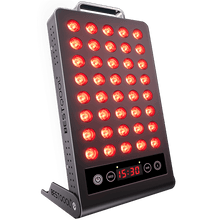
 Small
Small
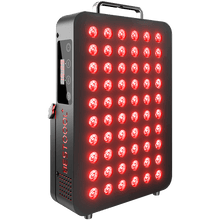
 Moderate
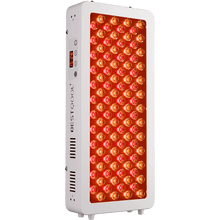
 Moderate
 Moderate
 Full
Full


