


Introduction
Autoimmune skin conditions like vitiligo, lupus, and lichen sclerosus often feel unpredictable and can also be deeply frustrating. They typically cause frequent flare-ups, visible skin changes, and ongoing discomfort, all of which can affect the patient’s physical health as well as emotional wellness.
Medical treatments for these conditions can provide relief from the symptoms. However, the remissions are often temporary. This is why most patients are now exploring supportive therapies that can work alongside conventional care.
Red light therapy is one option gaining attention as a gentle, non-invasive approach that supports cellular repair and helps regulate inflammation. But how effective is it for autoimmune skin conditions? And more importantly, is it safe?
In this article, we will explore what the science says about the safety and effectiveness of red light therapy and how it may fit into a balanced skin care approach.

Autoimmune skin conditions occur when the body’s immune system mistakenly attacks its own healthy skin cells. Lupus, lichen sclerosus, or vitiligo are characterized by frequent flare-ups and skin changes, producing a significant impact on both physical comfort and self-confidence.
While each condition is unique, they share a common root cause: an overactive or misdirected immune response affecting the skin.
This is where red light therapy (RLT) may help support cellular function. It may help create a favorable environment in the skin by supporting healing, reducing inflammation, and improving circulation. It can complement medical treatments and potentially improve skin comfort and appearance over time.
The goal of treatment is not simply to “boost” or “suppress” the immune system, but to regulate it. Red light therapy may help meet this purpose indirectly through its effects on cells.
RLT devices are designed to use specific wavelengths of red and near-infrared light, typically between 630 nm and 850 nm. These wavelengths can penetrate deeper into affected tissues and stimulate the energy-producing structures in the cells called mitochondria. Scientific research on the effect of RLT on mitochondria.[1]
This is expected to increase the production of ATP molecules and improve cellular function. The increase in the availability of energy allows skin cells to repair damage more effectively. Research on how RLT affects cellular energy levels.[2]
RLT has also been shown to reduce the release of pro-inflammatory cytokines, which are involved in misdirected immune responses. Study on pro-inflammatory cytokines and immune regulation.
Lupus is a complex autoimmune condition known to cause rashes and photosensitivity. This makes light-based therapies a sensitive topic as ultraviolet (UV) light may trigger flares. However, red light therapy works differently.
UV light triggers a photosensitive reaction. However, red light therapy uses non-ionizing wavelengths that do not damage DNA. CDC overview of non-ionizing radiation safety.
However, lupus patients often have heightened sensitivity. It is essential to start with short sessions and monitor skin response closely.
Lichen sclerosus is a chronic inflammatory skin condition causing itching and thinning. Medical guide on how lichen sclerosus affects the skin.[3]
Red light therapy may offer an effective approach to improving symptoms through photobiomodulation. RLT may improve skin elasticity and reduce discomfort by enhancing blood circulation. Clinical mechanisms of how RLT supports healing.[4]
Vitiligo is characterized by the loss of pigment due to the destruction of melanocytes. Journal study on why vitiligo occurs. [5]
Red light therapy can be explored as a complementary therapy. RLT can create a favorable environment around melanocytes by reducing oxidative stress and improving cellular health. Cellular recharge through red light therapy.

Safety is a major concern. Even gentle treatments like red light therapy require thoughtful use. Most people tolerate RLT well, but follow these precautions to avoid side effects:
- Avoid using RLT on actively inflamed or broken skin.
- Use proper eye protection, especially when treating the face.
- Follow recommended session durations to prevent overexposure.
- Maintain a distance of 6 to 12 inches from the device.
- Use RLT to complement and not replace medical care.
It is generally advisable to start RLT with short sessions of 5 to 10 minutes, focusing on the affected area. Most patients see good results starting with 2 to 3 sessions per week. You can gradually increase the duration to around 10 to 15 minutes.
Red light therapy can offer a gentle, supportive treatment option. It may improve prognosis by increasing cellular energy, reducing inflammation, and supporting tissue repair.
The key is patience, realistic expectations, and proper guidance. You can check this link to learn more about the BestQool RLT devices available for managing skin conditions.
References:
- Powner, M. B., & Jeffery, G. (2024). Light stimulation of mitochondria reduces blood glucose levels. Journal of biophotonics.
- Hamblin M. R. (2017). Mechanisms and applications of the anti-inflammatory effects of photobiomodulation. AIMS biophysics.
- Chamli A, Souissi A. Lichen Sclerosus. StatPearls Publishing; 2026 Jan.
- Hamblin M. R. (2017). Photobiomodulation mechanisms and applications. AIMS biophysics.
- Seneschal, J., et al. (2025). Vitiligo. Nature reviews. Disease primers.


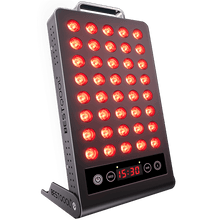
 Small
Small
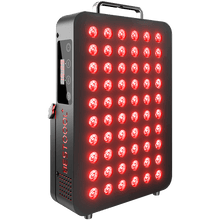
 Moderate
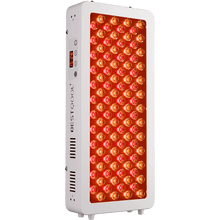
 Moderate

 Moderate
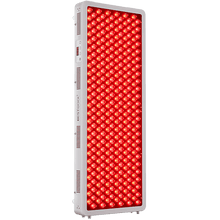
 Full
Full


