
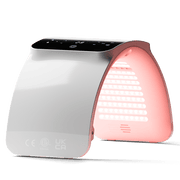

Seen all those glowing red face masks and light panels on social media lately? They're not just a trend. Red light therapy uses targeted light wavelengths to help your facial skin cells produce more collagen and fight inflammation. Once available only at dermatology clinics, it's now an at-home option with devices like masks, panels, and handheld wands for addressing wrinkles, acne, and skin texture. The key is having realistic expectations—this is a helpful addition to your skincare lineup, not a miracle cure that works on its own.
Can Red Light Therapy Help Boost Your Collagen?
Yes, red light therapy can boost collagen production by energizing the cells in your skin that make it. Collagen is the structural protein that keeps your skin firm, plump, and youthful-looking. Starting around age 20, you lose about 1% of your collagen each year. By the time you hit 50, you've lost roughly 30% of your collagen, which is why skin starts to sag and wrinkle.
Red light therapy is specifically aimed at fibroblasts, the cells in your dermis that produce collagen and elastin. Stimulating these cells with red light increases their collagen production. Various studies have shown that red light therapy can increase collagen density in your skin.
What this means for your facial skin:
- Improved firmness and elasticity over time
- Skin that looks plumper and more hydrated
- Better structural support that helps resist new wrinkle formation
- Gradual improvement in skin thickness (in a good way—healthier dermis)
The catch is the timing. This is not something that will happen overnight. Typically, it takes 8 to 12 weeks to see some improvements. This is not something that can be produced overnight. Your skin takes time to develop sufficient collagen and to integrate it. No one is promising something that will increase the level of collagen in your skin overnight.

Red Light Therapy for Wrinkles and Fine Lines: What to Expect
Once your facial skin starts producing more collagen, the visible payoff shows up in reduced fine lines and wrinkles. This is probably the most researched benefit of red light therapy, and the results are actually pretty encouraging for a non-invasive treatment.
Red light therapy tends to work best on these areas:
- Crow's feet around the eyes
- Forehead lines and creases
- Nasolabial folds (the lines from the nose to the corners)
- Fine lines around the mouth
- Under-eye area (though you need to be careful with eye protection)
| Timeline | What to Expect |
| Weeks 1-3 | No visible changes yet, but cellular activity is increasing |
| Weeks 4-6 | Subtle improvements—skin may look slightly plumper or more radiant |
| Weeks 8-12 | More noticeable reduction in fine lines, improved texture |
| 3+ months | Continued improvement with consistent use, best results visible |
Let’s put things into perspective regarding what red light therapy won’t do: red light therapy will not provide the quality of a Botox procedure regarding erasing wrinkles, and will not be needed in terms of addressing established issues, if you suffer from severe wrinkles.
But it really works best if you incorporate it with proper skin care. Your routine should include continuing with sunscreen (this is not negotiable), continuing with your retinoids if the skin on your face can handle it, continuing with moisturizer, and vitamin C serum.
How Red Light Therapy Helps with Acne and Breakouts
If you've tried every acne treatment out there and still struggle with breakouts, red light therapy offers a different approach. Instead of drying out your skin or killing bacteria on the surface like benzoyl peroxide and salicylic acid do, red light works on the inflammation happening deeper in your facial skin.
Here's how it helps with acne:
- Reduces inflammatory response: Acne isn't just about clogged pores—it's also about your facial skin's inflammatory reaction to bacteria and excess oil. Red light helps calm this inflammation at the cellular level, which means less redness, swelling, and tenderness around breakouts.
- Speeds up healing: Active breakouts heal faster because your cells have more energy to repair damage. This also means less time dealing with post-acne marks and discoloration.
- May regulate oil production: Some research suggests red light therapy might help balance sebum production, though this is still being studied. The mechanism isn't fully understood yet.
- Works well with blue light: Many devices combine red and blue light. Blue light (around 415nm) has antibacterial properties that kill P. acnes bacteria on the skin surface, while red light handles the inflammation underneath.
| Acne Type | How Effective? |
| Inflammatory acne (papules, pustules) | Most effective—directly addresses inflammation |
| Cystic acne | May help reduce inflammation and healing time |
| Blackheads and whiteheads | Less effective on their own—better when combined with other treatments |
| Hormonal acne | May help manage symptoms, but won't address underlying hormonal causes |
Red light therapy isn't a replacement for proven acne treatments. If you're using prescription retinoids, antibiotics, or other medications your dermatologist prescribed, keep using them unless told otherwise. Red light can work alongside these treatments, but check with your dermatologist first to make sure there are no interactions.

How Red Light Therapy Improves Your Overall Skin Texture
Red light therapy does more than tackle wrinkles and breakouts. Regular use can improve your overall facial skin quality in ways you might not expect.
- Smoother, softer skin: Since dead skin cells slough off more easily, new, healthier-looking skin is revealed underneath. When you reach up to touch your face, you will feel the difference.
- More even tone: The red light can not only reduce redness but also remove age spots, red spots, and other imperfections because of its ability to remove red pigments in the skin. It may not be as fast-acting as laser lights, but the red light can tone down these issues.
- Healthier-looking glow: With increased blood flow comes enhanced oxygenation and nourishment of skin cells – the end result of which is a healthy glow that appears to emanate from within.
- Less noticeable pores: Pores are genetically predetermined and cannot be reduced, but they can certainly appear smaller if the skin has a smoother texture and higher collagen levels.
- Calmer rosacea symptoms: Some people with rosacea find that red light therapy reduces their everyday redness and makes flare-ups less intense. This makes sense given how it fights inflammation, though you should talk to your dermatologist before trying it if you have rosacea.
The longer you use it, the better your skin will look. After a few months, you might just notice your skin looking healthier, even though you can’t quite put your finger on what is different.
How to Get Started with Red Light Therapy for Your Face
If you decide to try red light therapy, doing it correctly makes the difference between seeing results and wasting your time.
Choosing Your Device
Not all red light devices are created equal. Look for these features:
- FDA-cleared status: This ensures basic safety standards
- Correct wavelengths: Should emit light in the 630-850nm range (check specs)
- Adequate power output: Look for irradiance of at least 40-60 mW/cm² for face devices
- Device type that fits your lifestyle: Red light therapy panels work for full face coverage, red light therapy masks are hands-free, and handheld wands offer targeted treatment
Preparing Your Skin
Your facial skin should be completely clean and dry before each session. Remove all makeup, oils, serums, and sunscreen—these can block light penetration or cause unexpected reactions. Just wash your face with your regular cleanser and pat dry.
Take off any jewelry and tie back your hair so it doesn't block the light. While red light therapy is safe for the eyes and doesn't cause UV-type damage, you may want to close your eyes or wear protective eyewear if your device is particularly bright—mainly for comfort rather than safety.
Running Your Sessions
Here's a typical starting protocol:
| Factor | Recommendation |
| Frequency | 3-5 times per week to start |
| Duration | 10-15 minutes per session |
| Distance | 6-12 inches from your face (check your device manual) |
| Timing | Whenever you can be consistent, morning or evening works |
| Progression | Start with 3x/week, increase to 5x/week after 2-3 weeks if tolerated well |
Consistency beats intensity. Three 10-minute sessions per week will give you better results than one 30-minute session. Your cells need regular stimulation to maintain increased activity levels.
Tracking Your Progress
Take photos in the same lighting every 2-4 weeks. Use natural light near a window, same angle, same neutral expression. You'll probably notice gradual changes that are hard to see day-to-day, but become obvious when you compare photos from month one to month three.
If you're not seeing any changes after three months of consistent use, the device might not be powerful enough, or you might need to adjust your routine.
Making Red Light Therapy Part of Your Anti-Aging Routine
Red light therapy isn't magic, but it can seriously level up your facial skincare routine when combined with sunscreen, retinoids, and vitamin C. The key is consistency—commit to at least three months before deciding if it's worth it. Track your progress with photos and watch for gradual improvements in wrinkles, acne, and overall texture. Once you hit the 12-week mark, you can ease into maintenance mode and keep that glow going.


