


You've invested in a wellness routine that promises better skin, faster recovery, and improved energy levels. Yet questions persist: "Is my device safe?" "Should I worry about electromagnetic fields?" While red light therapy offers genuine benefits backed by research, the electronics inside panels generate electromagnetic fields that deserve attention. Understanding EMF safety standards, identifying low-emission devices, and optimal positioning ensure your wellness practice remains both effective and safe.

What Are Electromagnetic Fields and Why Do They Matter?
Electromagnetic fields exist wherever electricity flows. These invisible energy fields consist of electric fields measured in volts per meter (V/m) and magnetic fields measured in microtesla (μT). Your refrigerator, phone charger, laptop, and light therapy panel all create them.
Different organizations have established varying guidelines based on their approach to protection:
| Organization | Magnetic Field Limit | Standard Type |
| ICNIRP | 100 μT (50/60 Hz) | Regulatory limit for public exposure |
| Building Biology | 0.3 μT | Precautionary guideline for sleeping areas |
| Typical Red Light Panel | 0-5 μT at 6 inches | Actual device output (varies by quality) |
ICNIRPsets the official regulatory standard at 100 μTbased on established biological effects. Building Biologyoffers conservative precautionary recommendations at 0.3 μTfor sensitive environments. The key consideration involves chronic exposure: duration, proximity, and intensityall factor into your total exposure load.
Harmful Radiation vs. Safe Light Therapy: What's the Difference?
Not all radiation is created equal. The high-energy ionizing radiation found in X-rays can strip electrons from atoms and damage tissue. In contrast, Red Light Therapy uses low-energy, non-ionizing light that interacts safely with your cells. Think of it as the difference between a damaging storm and life-giving sunshine—one destroys, while the other nourishes.
Ionizing Radiation: The Harmful Type
Ionizing radiation ( X-rays, gamma rays, UV light) carries enough energy to break molecular bonds and damage DNA directly. This type possesses sufficient photon energy to strip electrons from atoms, creating ions that trigger cellular mutations.
Non-Ionizing Radiation: The Safe Spectrum
Non-ionizing radiation ( radio waves, visible light, infrared) lacks the energy to break chemical bonds. Red and near-infrared light (630-850nm)used in photobiomodulation sits safely in this spectrum. These wavelengths interact with mitochondria to boost cellular energy but cannot damage molecules like ionizing radiation.
Key Comparison
Infrared light warms skin gently like the afternoon sun. X-rays penetrate deep enough to image bones and can burn tissue. Ionizing radiation causes direct cellular damage through bond disruption; non-ionizing radiation produces only thermal effects and beneficial photochemical responses.
What Causes EMFs in Red Light Therapy Panels?
If you’re using red light therapy for healing, the last thing you want is unnecessary EMF exposure. The key to finding a "low-EMF" device isn't just a marketing label; it’s about how the internal components are shielded. By deconstructing the three main sources of EMFs inside a typical panel, you can better identify which devices truly prioritize your biological safety.
LED Drivers
LED drivers convert AC to DC power for LEDs, creating extremely low-frequency (ELF) fields at 50 or 60 Hz. Higher-wattage panels require more robust drivers, generating stronger EMF. This represents the primary magnetic field source.
Internal Wiring
Internal wiring carries current to LED arrays. Poor layout or inadequate shielding allows electromagnetic energy to radiate outward. Quality devices use shielded cables and strategic circuit design to contain fields within the housing.
Cooling Fans
Cooling fans create magnetic fields through motor operation. Some manufacturers eliminate fans entirely, using passive aluminum heat sink cooling instead. This reduces EMF but may limit maximum power output.
How Important Are Low EMF Levels for Your Health?
Current evidence shows low-level non-ionizing EMF from properly designed devices poses minimal acute health risk. ICNIRP sets public exposure limits at 100 μT for 50/60 Hz fields based on decades of research into established biological effects.
Current Scientific Understanding
However, gaps remain in long-term data. Some research suggests potential associations between chronic ELF exposure and symptoms like fatigue or sleep disruption, though findings remain debated. Studies found little conclusive evidence of harm at intensities below established guidelines.
Individual Sensitivity Considerations
Surveys suggest 3-13% of people report electromagnetic hypersensitivity (EHS), experiencing discomfort near electronics. While mechanisms remain unclear and controlled studies haven't consistently demonstrated causal links, their reported symptoms deserve consideration in device selection.
Practical Implications
The precautionary principle suggests minimizing unnecessary exposure when simple alternatives exist. Choosing a device measuring 0.0 μT versus 2.0 μT at six inches costs nothing in therapeutic benefit while reducing exposure. Consider your cumulative environment from WiFi, smartphones, and appliances when adding wellness devices.

What Is the Optimal Treatment Distance?
Distance affects both EMF exposure and therapeutic light delivery. EMF intensity decreases exponentially—doubling the distance typically reduces the magnetic field strength by 75% or more. Therapeutic light intensity follows the inverse square law, decreasing to one-quarter when the distance doubles.
Clinical research suggests effective irradiance ranges from 20-100 mW/cm². Most quality panels deliver optimal performance at:
- Six inches: strong therapeutic irradiance with minimal EMF exposure
- Twelve inches: negligible EMF but requires longer sessions for equivalent dosing
Check your device's published irradiance levels to determine optimal positioning for your treatment goals.
Key Features in Low EMF Devices
- Internal shielding:Premium devices encase drivers and wiring in conductive materials that contain fields within the housing. Third-party testing reveals which brands invest in this quality factor.
- Grounding systems: Properly grounded three-prong plugs allow excess electrical potential to flow to earth. Two-prong plugs may lack adequate grounding.
- Fanless designs: Passive cooling through aluminum heat sinks eliminates fan motor magnetic fields entirely.
- Testing documentation: Request actual test reports showing measurements at your intended usage distance. Look for IEC standards compliance.
- Transparent specifications: Reputable manufacturers publish irradiance data and EMF measurements from independent testing. Inability to share EMF data is a red flag.
How to Verify EMF Levels at Home
While consumer-grade EMF meters provide valuable reference data for home screening, they function as accessible diagnostic tools rather than laboratory-grade instruments. To ensure consistent and meaningful results during your assessment, follow these systematic steps:
Step 1: Choose the Right Meter
- Budget models under $30 lack calibration and show inconsistent readings
- Mid-range meters ($80-150) from Trifieldor Cornetprovide reasonable screening accuracy
- Professional gaussmeters ($400+) offer superior precision but aren't necessary for basic comparisons
Step 2: Set Up Your Test
- Position the meter at your typical treatment distance (usually 6-12 inches)
- Turn on your device and let it run through all operating modes
- Record separate readings for electric and magnetic fields
Step 3: Interpret Your Results
Building Biology reference:
- Below 0.3 μT for sleeping areas (precautionary guideline)
- ICNIRP regulatory limit: 100 μT for public exposure (official safety threshold)
- Most quality red light panels: 0-5 μT at 6 inches
Step 4: Compare Devices
Home meters are most valuable for comparing multiple devices under identical conditions. Relative differences matter more than absolute accuracy.
Alternative: Request Manufacturer Reports
Reputable companies commission independent laboratory testing. These reports should specify measurement distance, testing standards (IEC, FCC), and results at multiple operating modes. If purchasing with a return policy, test EMF levels immediately upon delivery.
Choose the Right Low-EMF Device for Your Needs
Your ideal panel depends on treatment goals, space, budget, and EMF sensitivity. Facial treatments need compact units; full-body recovery requires larger panels. Red light (630-660nm) targets surface skin; near-infrared (810-850nm) penetrates deeper for muscle recovery. If you experience discomfort near electronics, invest in thoroughly tested low-emission devices. Taking time to verify manufacturer claims ensures your wellness routine delivers benefits safely.
FAQs
Q1: Does EMF from red light therapy accumulate like radiation?
No. Non-ionizing EMF dissipates immediately when the device turns off, unlike ionizing radiation that causes cumulative DNA damage. However, daily sessions contribute to your total environmental EMF exposure load.
Q2: Can pregnant women safely use red light therapy devices?
Yes, when positioned appropriately. Avoid direct abdominal application. Treat the face, upper back, or limbs instead. Choose devices with EMF below 1 μT at treatment distance. Consult your obstetrician first.
Q3: Will household EMF meters accurately measure red light device emissions?
Yes, standard 50/60 Hz meters detect LED driver emissions. Budget models lack calibration; mid-range meters ($80-150) provide reasonable screening accuracy. Relative comparisons between devices prove most useful.
Q4: Do medical-grade devices have stricter EMF standards than consumer models?
No. Both comply with the same FCC regulations. Medical-grade manufacturers typically conduct more rigorous testing, resulting in more consistent low-EMF performance across units compared to consumer models.
Q5: Can EMF shielding fabrics reduce exposure during treatment?
No. Shielding fabrics block electric fields but not magnetic fields (the primary concern). They also block therapeutic light. Choose panels with internal shielding and increase treatment distance instead.


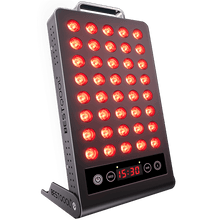
 Small
Small
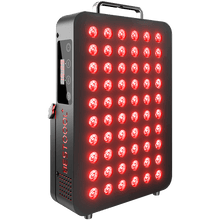
 Moderate
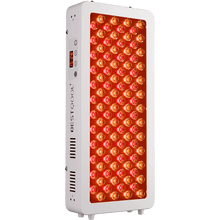
 Moderate

 Moderate
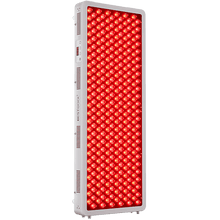
 Full
Full


