
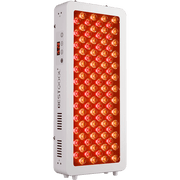

Treating Hashimoto’s thyroiditis with traditional medication is often challenging, so many people turn to natural remedies. One emerging approach that could potentially restore thyroid function is photobiomodulation, commonly known as red light therapy (RLT) or low-level laser therapy (LLLT).
RLT is a non-invasive physical therapy that activates cellular healing using specific wavelengths of light. But how does it help the thyroid, and is it safe to use?
This post explains the science behind RLT and its expected benefits for thyroid and autoimmune health.

Understanding Hashimoto’s Thyroiditis and Autoimmune Challenges
Hashimoto’s Thyroiditis is the most common cause of hypothyroidism in the USA and other countries. It’s an immune system disorder — not “just a thyroid disease. In this condition, the immune system mistakenly attacks the thyroid gland, causing chronic inflammation and gradually destroying the thyroid tissue function.
This assault from the immune system disrupts the thyroid’s function in producing necessary hormones T3 and T4, which are needed to regulate energy, metabolism, mood, and countless cellular processes. [1] The thyroid itself is not the problem with Hashimoto’s; it’s our immune system attacking that organ (which can be triggered by genetic susceptibility, environmental toxins, stress, or gut health imbalances).
The Science Behind Red Light Therapy and Thyroid Function
How does light therapy practically support the health of your thyroid? As RLT uses targeted, specific red (630-660 nm) and near-infrared light (810-850 nm) wavelengths, it can penetrate to the neck and stimulate cellular processes as well as healing. [2]
The thyroid gland has a high blood supply and is located just below the skin on the front of your neck, making it a convenient target for light therapy.
Boosting Mitochondrial ATP Production in the Thyroid
RLT is one of the most effective ways to help maintain mitochondrial function. Mitochondria are the energy-generating engines of cells. When cells are penetrated with red or near-infrared light, it activates cytochrome c oxidase, a mitochondrial respiratory chain enzyme. This boosts the production of adenosine triphosphate (ATP) – the fuel cells need to perform at their best.
Increased ATP production in the thyroid cell may aid hormone synthesis and tissue repair, as well as decrease local inflammation. This is very important in Hashimoto’s, where thyroid cells are often damaged or sluggish.
Does Red Light Therapy Help Hypothyroidism?
Yes, red light therapy has been found in preliminary studies to help relieve symptoms such as brain fog, muscle pain, cold sensitivity, and even weight gain as a supportive treatment for those with hypothyroidism.
Potential to Reduce Medication Dependency
In a 2023 clinical trial published in The Journal of Personalized Medicine, patients with Hashimoto’s thyroiditis who also received red light therapy and supplements experienced significantly improved thyroid function and reduced dependence upon levothyroxine (LT4) compared to those who only used the supplements. [3]
These encouraging findings support Red Light Therapy as a potentially useful complementary approach for thyroid health. Although it’s no substitute for conventional medical treatment, RLT can be easily and safely incorporated into a traditional treatment regimen to provide natural complementary support for the thyroid.
Reducing Thyroid Antibodies Naturally
A key goal in alleviating Hashimoto’s is to reduce thyroid antibodies — particularly thyroid peroxidase (TPO) antibodies. Elevated TPO levels indicate continued immune attack and inflammation of the thyroid gland. [4]
Modulating the Immune System and Inflammation
Early clinical studies suggest that red light may help lower autoantibody levels over time and thus preserve thyroid function.
Red light therapy may modulate immune activity by:
- Reducing pro-inflammatory cytokines
- Enhancing circulation to affected tissues
- Supporting peripheral immune cells that downregulate the autoimmune response

Is Red Light Therapy Safe for the Neck and Thyroid?
Yes, RLT is generally safe to apply to the neck and thyroid areas.
Safety is one of the major concerns when targeting sensitive regions such as the neck. Fortunately, red and near-infrared light are non-ionizing, so unlike ultraviolet (UV) light, they don’t damage the DNA in our cells.
Red and NIR light can penetrate the skin and reach the thyroid gland without causing tissue heating. Most home and clinical systems are intended to be below the threshold for these damaging energies, and therefore can be safely used regularly.
Selecting the Right Wavelengths for Efficacy
To minimize any safety risk and facilitate better penetration of RLT into the thyroid tissue, the following are recommended optimal wavelengths:
| Light Type | Wavelength Range | Penetration Depth | Use for Thyroid? |
| Red Light | 630–660 nm | ~5–10 mm | Yes |
| Near-Infrared | 810–850 nm | ~20–30 mm | Yes |
| UV Light | Below 400 nm | Superficial | No (harmful) |
Red Light Therapy Thyroid Dosage and Best Practices
There’s more to using red light therapy successfully than simply turning on a red light therapy device. RLT becomes less effective if the setting is not right or if consistency lags.
Frequency and Duration of Sessions
Here is a general guideline according to the existing evidence and clinical practice:
- Length of Session: 5-10 minutes per session
- Skin Distance: 4-12 inches (device dependent)
- Frequency: 3–5 times/week for the initial 4–6 weeks
- Maintenance: Follow 1–2 sessions per week for maintenance after the initial phase.
Tips:
- Always use a commercial product according to the manufacturer’s instructions.
- Do not overuse, as too much light can desensitize cells (i.e., result in biphasic dose response).
- Avoid use of light therapy over any active infection, open wound, or active cancer.
Integrating Natural Remedies for Hashimoto's with Light Therapy
Although red light therapy alone can be potent, combining it with lifestyle factors can provide a synergistic benefit for thyroid and immune function.
Diet, Stress Management, and Light
Here are some integrative strategies to combine with red light therapy:
- Anti-Inflammatory Diet: Focus on eating whole foods, omega-3 fats, selenium, and zinc; avoid gluten/dairy if sensitive.
- Reduction of stress: Long-term stress can increase cortisol, which can block thyroids. Things like yoga, meditation, and getting outside for a walk can be beneficial.
- Sleep and Circadian Health: Adequate sleep is needed to maintain immune balance and hormone regulation. During the night, keep screens dim and try to get more natural sunlight in the morning.
Final Thoughts
Red light therapy is an exciting, non-invasive solution for individuals with Hashimoto’s thyroiditis and hypothyroidism. By improving cellular energy, reducing inflammation, and even helping to reduce thyroid antibodies, RLT can improve quality of life and support healing.
While long-term benefits will require further study, many people experience increased energy, improved mood, and better thyroid labs when using it consistently. As with all new treatments, check in with your healthcare provider before starting one, especially if you’re already on thyroid medication.
References
[1] Hashimoto’s thyroiditis. https://www.thyroidcancer.com/hashimotos-thyroiditis
[2] Cleveland Clinic. “Red Light Therapy: Benefits, Side Effects & Uses.” Cleveland Clinic, 1 Dec. 2021.
[3] “Efficacy of Combined Photobiomodulation Therapy With Supplements Versus Supplements Alone in Restoring Thyroid Gland Homeostasis in Hashimoto Thyroiditis: A Clinical Feasibility Parallel Trial With 6-Month Follow-Up.” Journal of Personalized Medicine 13 (8): 1274.
[4] Ercetin, Candas et al. “Impact of Photobiomodulation on T3/T4 Ratio and Quality of Life in Hashimoto Thyroiditis.” Photobiomodulation, photomedicine, and laser surgery vol. 38,7 (2020): 409-412. doi:10.1089/photob.2019.4740.


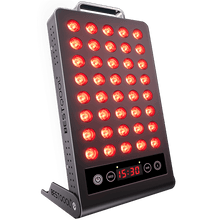
 Small
Small
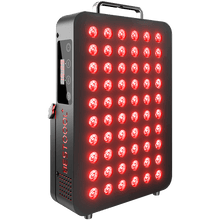
 Moderate
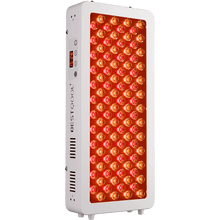
 Moderate

 Moderate
 Full
Full


