


In this article7 sections
Hidradenitis suppurativa (HS) is a chronic inflammatory skin condition that can lead to painful lumps, abscesses, drainage, and recurrent lesions. It's most commonly found in the areas where the skin rubs together (armpits, groin, buttocks, under the breasts). HS can be an uncomfortable condition to live with and is often a source of considerable distress, particularly when the lesions are recurring.
As people explore natural ways to manage their symptoms at home, red light therapy has come under the spotlight. It's a form of non-invasive therapy that uses specific wavelengths of light, which affect inflammation, cellular activity, and tissue repair.
Can red light therapy actually help people with HS? Let's explore what current research shows about RLT's role in HS management.

What Have Studies Found About HS Lesions and Pain?
Researchers are interested in RLT because inflammation is a key driver of HS. Red light therapy (also known as photobiomodulation) works differently from PDT and other therapies. It's non-thermal light that is used to modulate cellular activity rather than relying on a photosensitizing therapy or a tissue-targeting laser.
Studies have investigated whether light-based therapies could reduce HS lesions and improve symptoms. Some clinical studies have reported improvements in inflammation, lesion severity, and discomfort after professional light-based treatments. A systematic review of photodynamic therapy for HS showed some positive results in certain patients [1]. The studies were all small-scale and used a variety of treatment protocols, so it's difficult to draw definitive conclusions about its effectiveness.
Red light may affect HS inflammation and severity, but there isn't sufficient HS-specific clinical evidence to show that home red light devices significantly reduce the number of painful lesions or improve disease. Further studies are needed to understand the application of red light therapy on HS-affected skin.
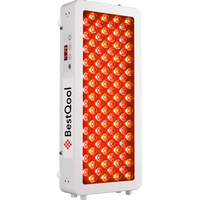
Do Laser and Photodynamic Therapy Results Apply to Home LEDs?
Not necessarily. Laser, PDT, and home LEDs use different technologies, and each has unique mechanisms of action.
| Treatment | How it works |
|---|---|
| Nd laser | Uses concentrated laser energy to target the affected skin |
| Intense pulsed light (IPL) | Delivers broad-spectrum light pulses |
| Photodynamic therapy (PDT) | Combines a light-sensitive drug with a specific wavelength of light to produce a targeted reaction. |
| Red LED therapy | Uses non-laser red light that may influence cellular activity and inflammation |
Swipe to see the full table →
Professional lasers can target the specific structures involved in HS (hair follicles), whereas home LED units deliver light over a wide area and are generally designed for non-invasive skin exposure.
A 2024 systematic review in the Journal of Drugs in Dermatology examined 10 studies involving 235 patients who received IPL or laser hair removal for HS. The studies reported a reduction in inflammatory lesion counts (between 50% and 75%). Some patients also observed complete resolution of lesions. [2]
These findings suggest that light-based procedures could be an adjunct therapy to HS management.
How Much Do We Know About Flares and Recurrence?
HS lesions can improve and then relapse, so long-term symptom control is a key element of treatment. Some professional light-based therapies may help in maintaining improvement, but their ability to prevent future flares is yet to be established.
A 2021 study of 41 patients looked at photodynamic therapy using intralesional methylene blue activated by a 635nm red LED. 58.5% of the lesions showed a reduction in diameter of at least 75%. The recurrence rate was 12.5% over the follow-up period. [3]
Another 2022 trial looked at LAight therapy (a combination of intense pulsed light and radiofrequency). Over 90% of patients who had an initial response to therapy maintained the improvement over a further 16 weeks of treatment. Continued light therapy appears to help sustain a positive response in HS severity. [4]
Although these studies are promising, there's still not enough clinical evidence to show that home red LED devices reduce the frequency of HS flares or prevent lesions from returning. We need further research to establish whether regular home RLT can indeed support sustained improvement in HS symptoms.

Can a Home Device Be Used Over Active or Draining Lesions?
Red light therapy is broadly a non-invasive approach, though that doesn't necessarily mean it is appropriate for every type of HS lesion. HS lesions can be tender, open, or draining. Before using RLT on an active lesion, consult your dermatologist, especially if the skin is broken, painful, or draining.
- Adhere to the device instructions regarding distance and session length and avoid any pressure or excessive heat.
- Stop if the treatment causes burning, irritation, or any increase in discomfort.
- Don't solely rely on the use of the RLT device to delay a medical assessment of a lesion that is rapidly getting worse, is becoming increasingly warm or swollen, or is associated with a fever.
- Open lesions may require individualized wound care. Your clinician can advise whether light exposure and the device are appropriate.
Where Could Light Therapy Fit Alongside Prescribed HS Treatment?
Depending on the stage of HS, dermatologists may prescribe topical or oral medication, antibiotics, hormonal therapy, biologics, laser hair removal, deroofing procedures, or surgery. RLT can be a potential adjunct for HS management rather than a replacement for traditional treatment.
- Inflammation: Photobiomodulation may affect the cellular pathways involved in HS and can lower skin inflammation
- Pain and tenderness: Red light can help as a pain-relief agent.
- Skin recovery: Its potential effects on cellular activity and tissue repair could be beneficial for skin healing.
RLT should be considered an additional treatment approach with realistic expectations. The device, frequency of treatment, and areas to treat should be determined by a dermatologist, particularly if the lesions are active or draining.
Keep Established HS Treatment at the Center of Your Care
Living with HS can be a physical and emotional burden, particularly when the painful lesions come back again despite treatment. Light-based approaches for HS are definitely worth considering.
Red light therapy could be an interesting addition to skin health, and early clinical data on red light PDT offer good reasons to keep exploring it. With the right device and appropriate medical advice, you can make more informed decisions about whether RLT is something you should incorporate into your overall HS care.
A RLT device marketed for general skin wellness is not necessarily one that's been designed and clinically tested for HS. When you're looking for an at-home device, look beyond the marketing claims and check its actual wavelengths, treatment specifications, manufacturer's instructions, and the intended use.
With ongoing advances in light-based skincare, RLT is still an area worth keeping an eye on for those looking for non-traditional ways to reduce HS symptoms.
References
- Reshetylo, Sofiya et al. “Systematic review of photodynamic therapy for the treatment of hidradenitis suppurativa.” Photodermatology, photoimmunology & photomedicine vol. 39,1 (2023): 39-50. doi:10.1111/phpp.12812
- Shipman, William D 3rd et al. “Efficacy of laser hair removal in hidradenitis suppurativa: A systematic review and meta-analysis.” Lasers in surgery and medicine vol. 56,5 (2024): 425-436. doi:10.1002/lsm.23796
- Gamissans, Marta et al. “Ultrasound-guided photodynamic therapy with intralesional methylene blue and a 635 nm light-emitting diode lamp in hidradenitis suppurativa: A retrospective study of 41 patients.” Photodermatology, photoimmunology & photomedicine vol. 38,1 (2022): 12-18. doi:10.1111/phpp.12709
- Schultheis, Michael et al. “LAight® Therapy Is an Effective Treatment Option to Maintain Long-Term Remission of Hurley I and II Hidradenitis Suppurativa: Results from Period B of RELIEVE, a Multicenter Randomized, Controlled Trial.” Dermatology (Basel, Switzerland) vol. 238,6 (2022): 1092-1103. doi:10.1159/000524739

This article is for general education and is not medical advice. If you have a medical condition, are pregnant, or take light-sensitizing medication, talk to your healthcare provider before starting red light therapy.


Leave a comment