
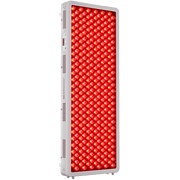

When you are battling a cold, flu, or other illness, your body needs as much help as possible, which has made red light therapy popular as a natural way to boost your immune system and recover from your illness faster. As a treatment, red light therapy utilizes a type of light with a specific wavelength, ranging from 630 to 850 nanometers, to stimulate a reaction in your cells that can help you feel better more quickly.

Red Light Therapy Makes Your Immune System Stronger
When you're sick, your immune cells need more energy to function properly. Red light therapy helps by increasing cellular energy production and making your immune cells work more effectively.
Red Light Boosts Cell Energy During Infection
Your immune cells run on ATP, which is the energy molecule your body produces. Red light therapy stimulates the mitochondria in your cells to make more ATP. This happens because the red and near-infrared wavelengths penetrate your skin and directly activate these energy-producing parts of your cells.
When you're fighting an infection, your immune cells are working much harder than normal. The extra ATP from red light therapy helps them maintain that high activity level without depleting your body's other resources. This process, called photobiomodulation, basically means light triggers your cells to produce more fuel.
White Blood Cells Get a Performance Boost
White blood cells are your main defense against illness. Red light therapy improves how they function in several ways:
- Faster Response Time: White blood cells move through your body more quickly after red light exposure, reaching infected areas sooner.
- Better Accuracy: The therapy helps white blood cells identify harmful bacteria and viruses more efficiently, so they focus their energy on actual threats.
- Increased Effectiveness: Studies show that lymphocytes and neutrophils become more active with red light treatment, destroying pathogens more successfully.
- Extended Function: Red light helps white blood cells stay active longer during an infection, providing more consistent immune protection throughout your illness.
Red Light Therapy Reduces Inflammation and Sickness Symptoms
Too much inflammation makes you feel worse when you're sick. Red light therapy helps control inflammation levels so your body can still fight infection without causing unnecessary discomfort.
Keeping Inflammation at Helpful Levels
Your immune system releases cytokines—signaling proteins that trigger inflammation when you're sick. Some inflammation is necessary, but excessive amounts cause most of the misery you feel during illness.
Red light therapy reduces overactive inflammatory cytokines like IL-6 and TNF-alpha without shutting down your immune response completely. This is different from anti-inflammatory medications that can suppress your entire immune system. The light wavelengths basically help your body maintain the right level of inflammation—enough to fight infection but not so much that you feel terrible.
What This Means for Your Symptoms
Less inflammation directly affects how you feel during illness. Here's a breakdown of what typically improves:
| Symptom | How Red Light Therapy Helps | What You'll Notice |
| Muscle and Joint Pain | Decreases inflammation in soft tissues | Less soreness throughout your body, easier movement |
| Fatigue | Increases cellular energy production | Still tired but more able to do basic tasks |
| General Discomfort | Reduces both inflammation and tissue stress | Feel less miserable overall, even while still sick |
| Fever-Related Aches | Eases muscle tension without lowering fever | Body temperature stays the same, but you ache less |
The therapy won't make your fever go away, and that's actually good since fever helps kill pathogens. But it does help with the body aches and exhaustion that come with being sick.
Red Light Helps with Sinus Pressure and Breathing
The stuffiness in the nose, sinus pressure, and chest congestion often make an illness feel unbearable. Red light therapy helps to combat these issues by decreasing the swelling in your airways and sinuses.
Easing Sinus Pressure and Stuffy Nose
Near-infrared can penetrate deep enough to reach the inflamed tissue of the sinuses. If you place the device emitting the red light close to the sinuses, the swelling will reduce after 10 to 15 minutes, making the mucus easier to expel.
What you'll likely experience:
- Easier Breathing: Your nasal passages are now free to breathe out of your nose again after your levels of inflammation have subsided.
- Less Facial Pressure: The heavy, painful sensation around your eyes, forehead, and cheeks is lessened because swelling in your sinuses is reduced.
- Better Drainage: The mucus exits the body more easily rather than getting trapped, resulting in fewer cases of congestion and headache.
The relief comes from reducing the inflammation rather than merely relieving the symptoms, meaning that you are actually healing your sinuses rather than merely relieving the symptoms.
Relief for Chest Tightness and Coughing
Respiratory infections that settle in your chest respond well to red light therapy. Here's what it does for lung-related symptoms:
- Makes Breathing Less Effortful: The therapy reduces irritation in your bronchial tubes, so each breath doesn't feel like work.
- Loosens Chest Tightness: That heavy, constricted feeling in your chest starts to ease as airway inflammation decreases.
- Clears Mucus Faster: Improved circulation helps your lungs move mucus out more effectively, reducing that rattling, congested feeling.
- Calms Persistent Coughs: Red light soothes irritated airways, which is especially helpful for dry coughs that stick around after other symptoms clear up.

Red Light Therapy Improves Blood Flow for Quicker Healing
When you're sick, your body is running a major repair and cleanup operation. Red light therapy speeds this up by improving how blood and lymph move through your system.
Why Blood Flow Matters During Illness
Red light makes your blood vessels widen, increasing circulation throughout your body. Here's why that helps you recover faster:
| What Happens | Why It Matters | Result |
| More oxygen reaches tissues | Your cells need oxygen to produce energy and repair damage | You feel less exhausted and heal faster |
| Nutrients arrive at infection sites | Vitamins and minerals fuel your immune response | Your body fights infection more effectively |
| Waste products clear out quicker | Cellular debris from fighting infection gets flushed away | Less overall inflammation and discomfort |
Better blood flow means your body can deliver what it needs and remove what it doesn't—basically making your recovery process more efficient.
How Lymphatic Drainage Speeds Up Healing
Your lymphatic system is your body's waste management service. It collects dead cells, pathogens, and toxins, then filters them out. When you're sick, this system can get overwhelmed and sluggish.
Red light therapy gets things moving again:
- Reduces Puffiness: Stimulated lymphatic flow drains excess fluid from swollen areas in your face, neck, and lymph nodes, so you don't look and feel so puffy.
- Clears Out Debris Faster: Dead viruses, damaged cells, and immune system waste products get removed more quickly instead of accumulating in your tissues.
- Lessens That Heavy Feeling: When lymphatic fluid builds up, you feel sluggish and weighed down—better drainage helps you feel lighter and more functional.
- May Shorten Illness Duration: Your body can focus on fighting the active infection instead of dealing with backed-up waste, potentially helping you recover sooner.
Faster lymphatic circulation means your body isn't bogged down managing accumulated garbage while trying to heal.
Red Light Therapy Improves Sleep During Illness
Quality sleep is one of your immune system's most powerful tools, but being sick often disrupts normal sleep patterns. Red light therapy can help restore better sleep, which accelerates your recovery.
Better Sleep Helps You Heal Faster
Unlike blue light from screens, red light doesn't suppress melatonin production. In fact, some research suggests that exposure to red light in the evening may actually support healthy melatonin levels. During illness, when your body is already stressed, maintaining good sleep becomes even more important for immune function and healing.
The relationship between red light therapy and sleep works through several mechanisms. The therapy helps regulate your circadian rhythm without the disruption caused by other types of light. It also reduces pain and discomfort that might keep you awake, and the relaxation response many people experience can make falling asleep easier.
When to Use Red Light During Illness
Timing your sessions properly can maximize benefits for both symptom relief and sleep quality:
| Time of Day | Purpose | Session Length | Expected Benefits |
| Morning (7-9 AM) | Energy boost and congestion relief | 15-20 minutes | Increased alertness, reduced morning stuffiness, metabolic support |
| Midday (12-2 PM) | Immune support and inflammation control | 10-15 minutes | Peak immune function, reduced body aches, maintained energy |
| Early Evening (5-7 PM) | Sleep preparation and symptom management | 15-20 minutes | Better sleep quality, evening symptom relief, and melatonin support |
| Before Bed | Use with caution | 5-10 minutes max | Only if it doesn't energize you; some people find it stimulating |
How Long to Use Red Light Therapy and How Close to Sit
Start with shorter sessions—about 10-15 minutes per area. Position yourself 6-12 inches from the light panel, depending on the device's specifications.
Most red light therapy devices will have specific guidelines, but as a general rule, closer isn't always better. You want enough light exposure to trigger the biological response without overdoing it. If you're using a smaller handheld device, you may need to hold it closer (4-6 inches) for effectiveness.
How Often to Use Red Light When You're Sick vs. Healthy
Different stages of health require different approaches to red light therapy:
While Fighting Off Illness:
- Daily Sessions: Apply red light therapy once or twice a day if you are actively combating an infection and have intense symptoms.
- Consistent Timing: Try to have consistent session times each day, as this will allow your body’s rhythms to heal naturally.
- Listen to Your Body: If you find yourself too energized or can't sleep after the evenings, move the second daily session to the afternoon.
When You're Healthy (Prevention Mode):
- Maintenance Schedule: Use the red light treatment 3 to 4 times a week when you are in a healthy state to keep a robust baseline level of immunity in the body.
- Seasonal Adjustments: Consider increasing to 5-6 times weekly during cold and flu season or periods of high stress that might compromise immunity.
- Long-term Consistency: It is better to have regular preventive sessions rather than occasional but more intense sessions.
Using Red Light Therapy When You're Sick
Adding a bit of red light therapy into your routine as a sick day activity is easier than you think. The benefits don't just come from recovering faster from your current sickness. Instead, the long-term benefits mean that your immune system could remain healthy, and you might not get as many illnesses in the future. If you're considering buying one, think of it as an investment in feeling better both now and during future illnesses. Give it a consistent try for at least a week or two—that's when most people really notice the difference.


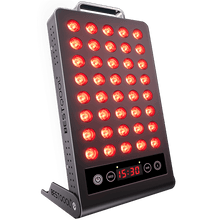
 Small
Small
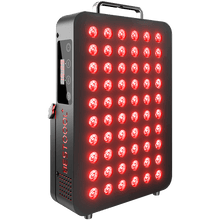
 Moderate
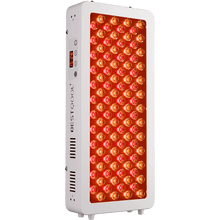
 Moderate
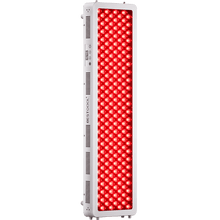
 Moderate
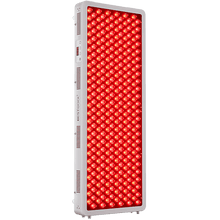
 Full
Full


