
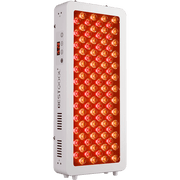

Melasma and hyperpigmentation are some of the most challenging skin issues to treat, especially for medium to deeper skin tones. Topical skincare can address some of those issues, but many individuals struggle with slow or suboptimal results.
In recent years, red light therapy (RLT) has attracted attention as a noninvasive treatment for improving skin tone and texture, reducing inflammation, and promoting healthy skin. But how effective is it really for pigmentation issues, such as melasma? Let’s explore it.

Why Melasma and Hyperpigmentation Are Stubborn Even With Consistent Skincare
Melasma is more than surface-level pigmentation — it’s a multifaceted, chronic skin disorder that’s fueled by various internal and external triggers. These factors include UV exposure, hormones, genetics, heat, and inflammation.
Studies demonstrate that melasma has overactive melanocytes (pigment-producing cells) and vascular changes, in addition to inflammatory signaling in the skin — not just “dark spots” that fade easily. [1]
Unlike post-acne marks, melasma generally resides deeper in the skin and is very responsive to triggers like sunlight, heat, and visible-light exposure. With regular application of brightening creams or exfoliants, there is often partial, temporary improvement, but typically no full resolution.
Hyperpigmentation also follows a similar path — once melanin production has been activated, it can remain “switched on” for weeks or months. This is what makes pigmentation conditions so stubborn and annoying to treat.
How Red Light Therapy Influences Melanin Production at the Cellular Level
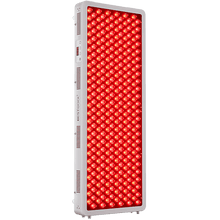
Red light therapy (RLT) is a non-invasive method that uses low-wavelength light to penetrate your skin and change cellular activity. Its mechanism differs from that of UV light, which damages DNA and directly promotes pigment production.
Red light, in contrast, penetrates deep into mitochondria — the energy centers of cells — enhancing ATP production while reducing oxidative stress and inflammation. These mechanisms are vital because inflammation is one of the top determinants of excessive melanin synthesis.
On a cellular level, red light might assist with [2]:
- Reduced inflammatory cytokines that stimulate melanocytes
- Improve skin barrier function
- Enhance microcirculation and healing
- Stimulate collagen production and skin renewal
Red light doesn’t “erase pigment,” but it can help calm the skin environment over time, in which pigmentation has less opportunity to worsen.
What the Research Says About Red Light Therapy for Melasma
Red light therapy for melasma is an emerging area of research. The majority of clinical investigations have centered on broad-spectrum laser and light-based therapies, such as IPL and low-level laser therapy.
Recent Reviews in Dermatology have detailed the impact of LED on melasma, with positive outcome reports especially when used adjunctively with topical agents, although results vary by skin type. [3]
Melasma is particularly infamous for its stubborn recurrence. This suggests light-based therapies can decrease pigmentation, but long-term results depend on maintenance and trigger management.
Using Red Light Therapy for General Hyperpigmentation and Uneven Skin Tone
For most cases of post-inflammatory hyperpigmentation (e.g., dark spots from healing acne), red light therapy offers a more consistent benefit than it does for melasma.
It may help by[4]:
- Assisting skin to heal from breakouts more rapidly
- Reducing redness and inflammation
- Supporting more even skin regeneration
- Gradually improving overall skin tone
Results aren’t immediate and usually become apparent only after several sessions within 8–12 weeks. Skin discoloration caused by irritation tends to be more responsive than hormonally driven pigmentation.

Safe Use Guidelines for Darker Skin Tones and Pigmentation-Prone Skin
Darker skin types can be sensitive to heat, which can sometimes stimulate excess pigment production. For this reason, red light therapy should be implemented gradually.
- Start with shorter sessions (~5–10 mins).
- Maintain an appropriate distance (6 – 12 inches) from the device to avoid heat buildup.
- Regular use of a broad-spectrum sunscreen is necessary.
- Do not engage in heat-generating activities immediately after treatment.
- Monitor your skin’s reaction — if you notice darkening, stop the treatment.
- A gentle and consistent therapy application is far more effective.
Combining Red Light Therapy With Topical Ingredients for Better Pigmentation Results
Red light therapy works better as part of a multi-step pigmentation routine. Results may improve significantly when used with targeted skincare.
| Topical Ingredients | Function |
| Niacinamide | inhibits melanin transfer, strengthens barrier |
| Tranexamic acid | works to inhibit melanin production pathways |
| Vitamin C | for antioxidant protection and brightening |
| Azelaic acid | anti-inflammatory and pigment-reducing |
Pigmentation Takes Time, and Consistency Is What Makes Red Light Therapy Work
The most important thing to know is that nothing works fast and forever unless you are consistent. Red light therapy has a cumulative effect and can help improve the quality of your skin over time.
The key takeaway is:
- Results are slow but cumulative.
- Consistency matters more than intensity.
- Sun, heat, and hormonal triggers should be managed.
- Combination therapy works better than single treatment.
At the end of the day, pigmentation care is a long game — but with consistency and active sun protection and supportive therapies like BestQool RLT in play, you should see gradual improvement.
References
[1] Barolet D. Dual Effect of Photobiomodulation on Melasma. J Clin Aesthet Dermatol. 2018;11(4):28-34.
[2] Cleveland Clinic. “Red Light Therapy: Benefits, Side Effects & Uses.” 2021.
[3] Guo Z, Yuan K. The Application of LED in Cosmetic Dermatology. Photodermatol Photoimmunol Photomed. 2025.
[4] Dan Y et al. (2025). LED for Post-Inflammatory Erythema and Hyperpigmentation. Photodermatol Photoimmunol Photomed. 2025.


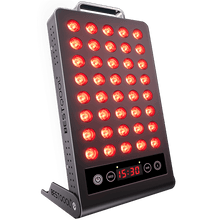
 Small
Small
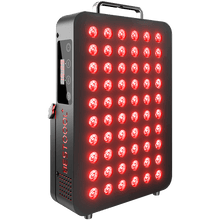
 Moderate
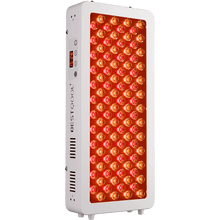
 Moderate

 Moderate
 Full
Full


