

Tinnitus affects millions of people around the world, bringing with it a persistent and often frustrating experience. It is commonly described as a ringing, buzzing, or hissing sound in the ears, even when no external noise is present. For some, it is more than a minor annoyance, but for others, it can interfere with sleep, focus, mood, and overall well-being. Managing tinnitus is not always straightforward, as it is closely linked to intricate workings of the inner ear and neural pathways, making effective treatment a challenge.
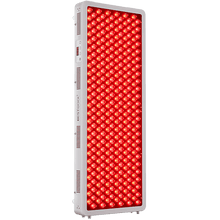
Recently, a new modality of treatment has received attention, which is photo-biomodulation using red light therapy (RLT). Photo-biomodulation uses the concept of using light to change the overall physiology of cells and tissues to maintain good health. But what does the science say about it?

Why Is Tinnitus Difficult to Manage and What Current Options Do We Have?
Tinnitus is not a singular disorder, but a symptom with several causes. These include: [1]
- Inner ear hair cell damage (often from noise exposure)
- Age-related hearing loss
- Eustachian tube disorders ( Eustachian Tube Dysfunction) or Ear infections
- Changes in nerve pathways between the ear and the brain
- Stress and neurological sensitization
Common approaches focusing on tinnitus management include:
- Sound-based therapies (white noise and hearing aids)
- Cognitive behavioral therapy
- Medications for anxiety or sleep disorders
- Lifestyle modification (decreasing caffeine intake and managing stress)
Many of these approaches do little to directly support cellular repair or the health of auditory nerves within the ear. This is where red light therapy begins to attract interest as a potential avenue worth exploring.
How Does Red Light Therapy Reach the Inner Ear Tissue and Support Nerve Function
Red light therapy uses targeted wavelengths of light, typically within the 600 to 900 nanometer range, to stimulate activity at a cellular level. These wavelengths can pass through the skin and deeper tissues, which is what makes the approach particularly interesting in therapeutic settings. [2]
Here’s how it might help:
Boosting Cellular Energy
Red light therapy is thought to boost the production of ATP, the molecule that fuels cellular activity by supporting the function of mitochondria, the powerhouse of cells. With more energy available, cells may be better equipped to carry out repair and recovery processes.
Reducing Inflammation
Tinnitus may also be associated with chronic inflammation in the inner ear or surrounding tissues. Red light therapy may help to reduce irritation by changing inflammatory pathways.
Improving Blood Flow
Improved microcirculation may assist in the delivery of oxygen and nutrition to sensitive tissues within the ear, such as the cochlea.
Supporting Nerve Function
Some research suggests that photo biomodulation may help protect or even support the regeneration of nerve cells, which could be particularly relevant in cases of tinnitus linked to auditory nerve damage.
That said, it is important to keep expectations grounded. The inner ear sits deep within the skull, and while red and near-infrared light can penetrate biological tissue, there is still ongoing debate about how effectively it can reach the cochlea in therapeutic doses.
What Clinical Studies Have Found About Red Light Therapy and Tinnitus Relief?
Research in red light therapy and tinnitus is still emerging, but a few studies have shown promising results. [3][4]
A number of small clinical studies suggest that low-level light therapy may help reduce the perceived loudness of tinnitus and improve quality of life when used for several weeks.
The benefits appear to be more noticeable in early-stage tinnitus or in cases linked to mild hearing loss. However, not all findings are consistent, with some studies reporting little to no difference compared with a placebo.
The outcomes can vary widely depending on factors such as the wavelength used, the quality of the device, the duration/ length of treatment, and the nature of the patient's symptoms.
What Experts Conclude:
- Red light therapy can not cure tinnitus
- It may be used as a complementary approach alongside other established treatments
Red Light Therapy for Hearing Loss and Eustachian Tube Dysfunction
Tinnitus often co-exists with hearing loss in one or both ears. So how could red light therapy help?
Hearing Loss
Noise-induced hearing loss is often the result of acoustic stress and cellular injury. Red light therapy may help reduce oxidative stress and support the function of surviving hair cells. While the evidence in humans is still developing, some animal studies have suggested that certain aspects of hearing dysfunction could be reversible under the right conditions.
Eustachian Tube Dysfunction (ETD)
ETD happens when the tube from the middle ear to the throat (known as the Eustachian tube) does not open properly. Signs include pressure, fullness, and, in some cases, tinnitus.
Red light therapy can’t fix ETD structural issues, but it can be helpful by
- Reducing inflammation in the surrounding tissues
- Improving local circulation
However, ETD frequently necessitates mechanical or medical therapy in the form of nasal sprays or pressure equalization methods.
How to Position and Use Red Light Therapy Around the Ear Safely?
Proper usage of red light therapy, especially in or near the ear, is important.
Do Not Point the Light Directly Into the Ear Canal
Keep the device outside the ear if it fits, never inside, unless a medical device is specifically designed to be placed into the ear.
Protect Your Eyes
Even if you are treating your ear, exposure to light in the vicinity can affect your eyes. Use protective eyewear.
Maintain Appropriate Distance
Follow the manufacturer guidelines - typically a few inches off the skin.
Limit Session Time
The session length ranges from 5 to 15 minutes per side, depending on the strength of the device.
Choose Tested Devices
Avoid unverified products. Use devices that are FDA-approved or clinically tested.
Consult a Professional Healthcare
Especially if you have:
- Sudden hearing loss
- Severe or worsening tinnitus
- Ear infections or pain

Who Is Most Likely to Respond to Red Light Therapy for Tinnitus?
Not everyone will benefit equally from red light therapy. Evidence suggests that some people benefit more than others depending on the severity of the condition and accompanying factors.
People More Likely to Respond Include Those With
- Recent Onset of Tinnitus (weeks to months)
- Mild to moderate hearing loss caused by noise
- Tinnitus related to vascular or inflammatory mechanisms
- Using red light therapy as a part of a broader treatment protocol
People Less Likely to Respond Include Those With
- Long-standing, chronic tinnitus
- Significant structural damage in the inner ear
- Tinnitus caused by neurological problems
Final Thoughts: Red Light Therapy Considerations
A promising low-risk management option for tinnitus is red light therapy, which may support inner ear health by enhancing cellular energy, reducing inflammation, and improving circulation.
If you are considering red light therapy for tinnitus, it should be viewed as part of a broader approach that includes hearing care, stress management, and guidance from healthcare professionals. Tinnitus is a complex condition, though emerging treatments such as photo biomodulation are beginning to reshape thinking around it. Further research will help determine who may benefit most and how best to apply red light therapy in practice.
References
[1] Dalrymple SN, Lewis SH, Philman S. Tinnitus: Diagnosis and Management. Am Fam Physician. 2021;103(11):663-671.
[2] Cleveland Clinic. Red Light Therapy: Benefits, Side Effects & Uses. Cleveland Clinic, 1 Dec. 2021.
[3] Panhóca VH, de et al. Effects of Red and Infrared Laser Therapy in Patients with Tinnitus: A Double-Blind, Clinical, Randomized Controlled Study Combining Light with Ultrasound, Drugs, and Vacuum Therapy. J Pers Med. 2023;13(4):581. Published 2023 Mar 26. doi:10.3390/jpm13040581
[4] Abdali, Hussain M et al. “Low-Level Laser Therapy and Photobiomodulation for Tinnitus and Sudden Sensorineural Hearing Loss: A Systematic Review.” Cureus vol. 17,11 e96234. 6 Nov. 2025, doi:10.7759/cureus.96234


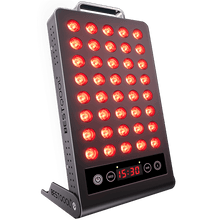
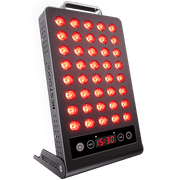
 Small
Small
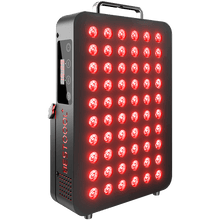
 Moderate
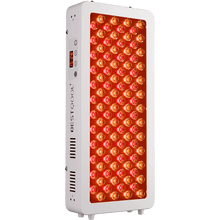
 Moderate

 Moderate
 Full
Full


