
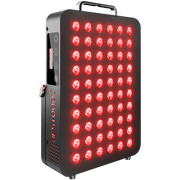

Jaw pain can feel intensely personal. It creeps into everyday moments like breakfast, a long call, or that split second before you yawn. With TMJ problems, the source is rarely one single “broken” thing. The joint can get irritated, the chewing muscles can stay braced, and the nervous system can keep the area on high alert. That’s why relief often comes from calm, consistent care that lowers irritation and lets normal movement return. red light therapy has gained attention as a gentle, at-home option, especially for people who want something they can do quietly, on their own schedule, without adding more strain to the jaw.

What Causes TMJ Jaw Pain?
TMJ jaw pain usually comes from two overlapping sources: irritation inside the jaw joint and strain in the chewing muscles. The temporomandibular joint sits just in front of the ear and works in sync with the masseter and temporalis every time you chew, talk, yawn, or swallow. When that system gets overworked, people often feel soreness near the ear, tightness in the cheeks or temples, fatigue while chewing, stiffness on waking, or a sense that the jaw does not open as smoothly.
The simplest explanation is balancing training load and recovery. Repetitive chewing (gum, jerky, crunchy foods), prolonged talking, poor sleep, stress-related clenching, or nighttime grinding can stack mechanical load faster than the joint tissues and muscles can recover. Over time, that mismatch can contribute to low-grade joint inflammation, muscle trigger points, and a jaw that stays guarded even when you are trying to rest.
Does Red Light Therapy Help TMJ?
Yes, it can help some people with TMJ-related pain, especially when muscle tension and localized inflammation play a role. Results vary because TMJ disorders vary, and because light therapy studies use different wavelengths and dosing methods.
What It May Improve
Used consistently and kept within a comfortable range, red light therapy can support day-to-day symptom relief in a few practical ways. People who respond often notice less tenderness around the jaw joint, looser chewing muscles, and easier movement when opening the mouth. Chewing can feel less “loaded,” and flare-ups may become less frequent when the jaw is not being irritated daily by clenching or overuse.
What to Expect from a Real Routine
The first signs are often subtle: less morning stiffness, less soreness after talking or chewing, and fewer days when the jaw feels guarded. Give it a fair window of consistent use, then judge the trend instead of one session. If discomfort reliably increases after sessions, scale down time or intensity, increase distance, or take a rest day. Persistent locking, a sudden bite change, or steadily worsening pain calls for an evaluation, since those patterns often need hands-on assessment beyond home care.
Where to Place Red Light for TMJ Relief
Placement is where people either get value or get frustrated. TMJ pain often has a “center,” then it spreads. The goal is to treat the areas most responsible for your symptoms, not to blanket the whole face.
A simple method works well in practice: use clean fingers to press gently around the jaw and temples, then identify spots that reproduce your familiar pain. Those are the areas most likely to respond to consistent light application.
After a brief scan, aim at these common zones:
- Jaw joint area: The soft area just in front of the ear canal, where you feel the hinge move during opening and closing.
- Masseter muscle: The thick cheek muscle that tightens when you bite down, often tender near the jaw angle.
- Temporalis muscle: The temple region above the cheekbone, commonly linked with clenching and tension headaches.
- Support zones: Upper neck muscles can contribute to jaw guarding. Treating a tight sternocleidomastoid area sometimes reduces the “pull” that feeds jaw tension.
Key safety point: keep light out of the eyes. Do not stare into LEDs, and follow device guidance on eye safety during red light therapy. The American Academy of Dermatology notes that red light therapy is generally considered safe in the short term, with mild, temporary effects like irritation possible.
How to Use Red Light Therapy for TMJ at Home
Home routines work best when they are simple and repeatable. The two factors that affect your dose the most are distance and time. Keep those steady, then make small adjustments based on how your jaw feels.
Here is a simple routine you can repeat:
- Choose one to three target zones based on tenderness today.
- Hold a consistent distance each session.
- Use a timer so the dose stays predictable.
- Reassess weekly using a short symptom log.
After that foundation, a conservative schedule can look like this:
| Time period | Frequency | Time per area | What to watch for |
| Week 1 | 3 to 5 days | 5 to 8 minutes | Aim for comfort, no lingering flare |
| Weeks 2 to 4 | 3 to 5 days | 8 to 12 minutes | Adjust based on tenderness and function |
| Maintenance | 2 to 3 days | 8 to 10 minutes | Use during high stress or clenching phases |
Pairing the session with gentle jaw care improves comfort without adding load. If your jaw is flared up, keeping foods softer, using heat or cold, and doing gentle jaw exercises can make the light sessions feel more comfortable.
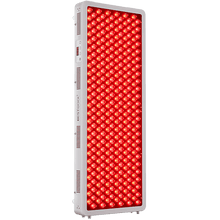
If a hands-free setup helps you stay consistent, a high-intensity home panel such as Bestqool can be positioned at a steady distance with built-in timing features, which can make repeat sessions easier.

How Long Does Red Light Therapy Take to Work for TMJ?
Most people who respond notice early changes within a few sessions to two weeks, usually as less tightness in the chewing muscles and a calmer “resting” jaw. More stable improvements, like fewer flare-ups and easier chewing, tend to show up with two to four weeks of consistent use. If there is no meaningful shift after about four weeks of a steady routine, the issue may be driven more by joint mechanics, bite factors, or another cause that needs a different approach.
Start Your TMJ Relief Plan Today
Lasting TMJ relief usually comes from removing repeated strain while helping irritated tissues recover. Keep meals easy on the jaw for a short stretch, reduce clenching opportunities during the day, and use calming inputs like heat, a gentle range of motion work, and red light therapy as a consistent routine. When symptoms improve, keep the habits that protect the joint and muscles, then scale sessions to maintenance during stressful weeks. If warning signs appear, or if progress stalls despite steady care, scheduling an evaluation can clarify what is driving the pain and which conservative treatments fit your case best.
FAQs
Q1: Is red light therapy safe if I take medications that increase light sensitivity?
It depends. If a medication or topical makes your skin more light sensitive, light-based treatments may be a poor fit until your prescriber clears it. Check your medication guidance, then ask your clinician if home light exposure is appropriate. If you get approval, keep sessions conservative and stop if you develop unusual redness, burning, or rash.
Q2: Should I choose red wavelengths or near-infrared for TMJ?
A combination is often practical. visible red light is typically used for more superficial tissues, while near-infrared tends to reach deeper structures. TMJ discomfort can involve both surface muscles and deeper joint tissues, so devices that include both ranges can be convenient. If your device offers options, treat comfort as the decision rule and keep settings consistent.
Q3: Can I use it if I wear a night guard, braces, or have implants?
Yes. External light exposure is generally compatible with dental appliances and hardware. Light-based therapy is also used in dentistry settings for oral and orthodontic discomfort, which supports the idea that dental tissues tolerate it when applied appropriately. Avoid shining a panel into the mouth, and check with your dentist after recent oral surgery or if you have an active infection.
Q4: Can I use it during pregnancy?
It depends. Pregnancy calls for extra caution because long-term fetal safety data are limited. A common precaution is to avoid treating directly over the abdomen during pregnancy and to get your OB’s approval before starting any new device-based routine, even for non-abdominal areas like the jaw. If you get the green light, keep sessions brief and comfortable.
Q5: Is it safe to use if I have a history of cancer?
Get medical clearance first. Red and near-infrared light are not UV, and there is no evidence that they cause cancer, but treatment decisions should be individualized for people with current or past cancer. Avoid self-treating directly over any known or suspected tumor area unless your oncology team explicitly approves it.


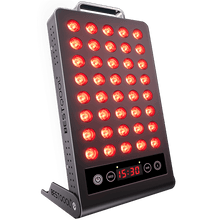
 Small
Small
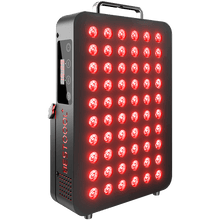
 Moderate
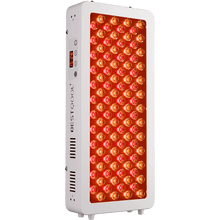
 Moderate

 Moderate
 Full
Full


